Respawn’s Marked midseason notes explain the thinking behind Apex Legends update 30.1. Conduit receives clearer shield feedback and a redesigned Energy Barricade, Fuse folds mobility and resistance into his base kit, and Catalyst gains faster tools for rebuilding defensive positions during moving fights.
Table of Contents
Conduit’s shield support becomes easier to read
Radiant Transfer will display a preview of the temporary shield an ally is expected to have when regeneration finishes. Conduit and the receiving teammate can read that future protection instead of guessing how much help is still on the way. The change addresses coordination as much as raw strength because both players now see the same intended outcome.
That preview should improve moment-to-moment choices around cover. A teammate can judge whether the incoming shield is enough to hold an angle, finish a heal or withdraw before pressure arrives.
The useful habit will be to treat the display as planning information, not immediate health. Damage and enemy positioning still determine whether remaining exposed makes sense.
Energy Barricade gives Conduit control over geometry
Conduit’s ultimate deploys faster, returns control to her sooner and indicates whether its jammers would break at the chosen placement. The devices sit higher and closer together, and players can toggle a forward line instead of relying only on the standard horizontal formation. Placement becomes a more intentional response to the space in front of the squad.
A horizontal barrier can still cover a broad edge, while a forward line can fit a lane, doorway or approach that calls for depth. The break indicator reduces wasted casts in awkward terrain by showing whether the planned wall can exist before the commitment is complete. Faster recovery after deployment also lets Conduit respond sooner to the fight she has just reshaped.
The update does not make every orientation equally useful. Players must still identify where opponents want to move and which side their own team needs open.
Fuse gains mobility without making it his whole identity
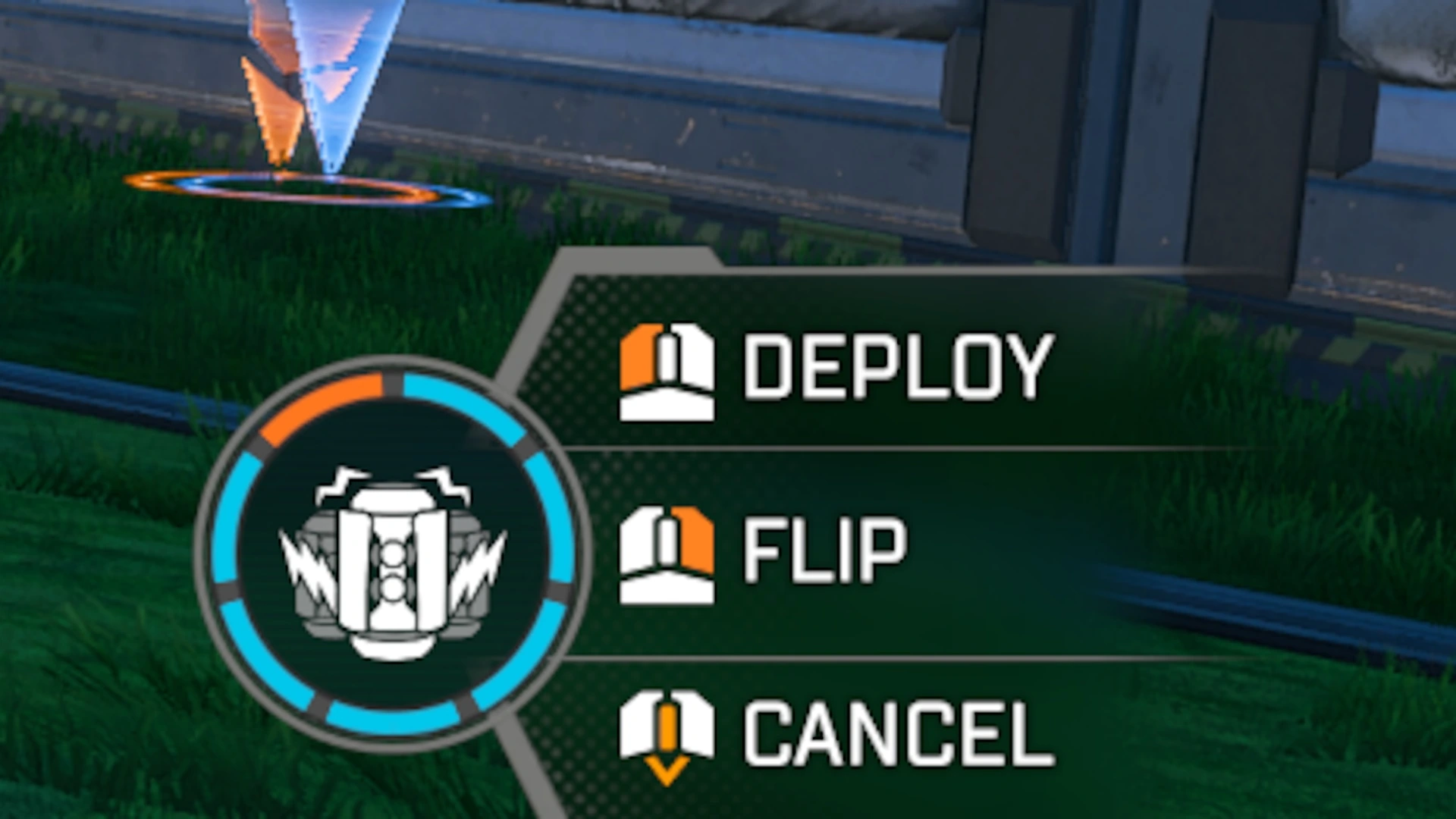
Knuckle Jumper moves into Fuse’s standard kit, although its launch is weaker and traveling with it no longer reduces the tactical cooldown. A reduced form of explosive resistance also becomes part of the base character as Wreckless leaves the upgrade list. More of Fuse’s identity is available immediately, but the strongest upgrade effects still require choices later.
The tradeoff keeps movement useful without turning every Knuckle Cluster into a mandatory escape or cooldown trick. Fuse can reposition through his own explosive pressure, yet players still have to decide whether the tactical is better spent controlling an opponent’s space. The lower jump strength makes the destination and available cover more important than the novelty of taking flight.
Motherlode is also becoming quicker and easier to place nearby, with a faster raise, a closer firing arc, less damage falloff in the center and faster mini-bomb explosions. Those adjustments should make the ultimate less cumbersome in the range where Fuse is already fighting, supporting his explosive role instead of asking him to create excessive distance first.
Fuse’s late upgrades split coverage from precision
Reignition moves to level two, while the level-three choices become Big Bang and Sticky Bomb. Big Bang increases the area covered by Knuckle Cluster. Sticky Bomb attaches the cluster to an enemy it strikes and rewards that accurate hit with tactical cooldown reduction. The two options now ask what kind of explosive pressure the player can reliably create.
Big Bang supports area denial when controlling a doorway, breaking up a hold or making a route expensive to cross. Sticky Bomb places more value on direct accuracy and the opportunity to use the tactical again sooner.
This distinction should make upgrade decisions easier to explain within a squad. The choice is not merely between two ways to inflate damage; it is between owning more ground and earning repeated use through precision. Players can base it on the current match, their own hit rate and the spaces they expect to contest.
Catalyst rebuilds defenses at the speed of a rotation
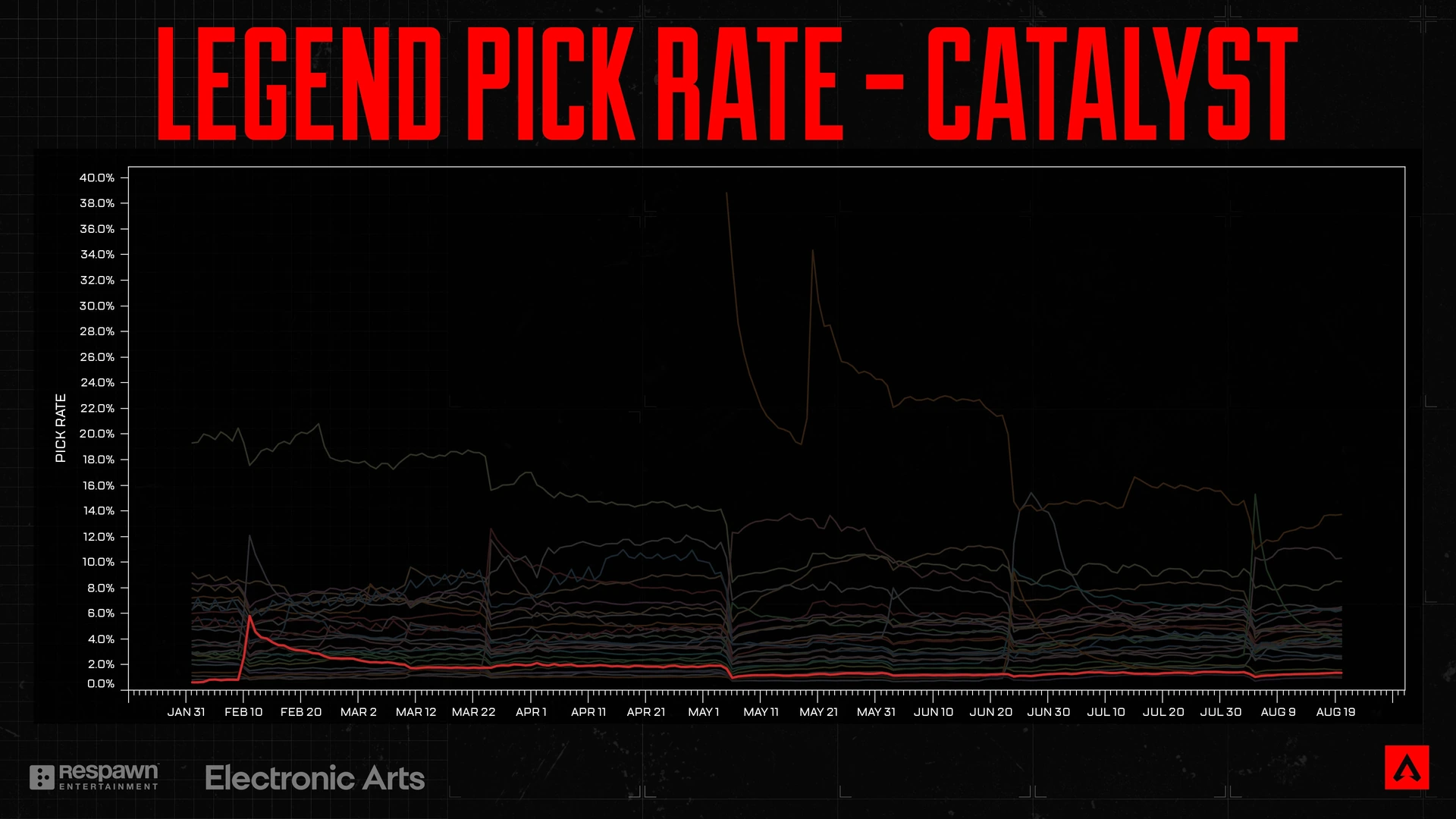
Catalyst’s traps will reinforce and rebuild doors automatically when placed, and her tactical cooldown is reduced. Dark Veil deploys more smoothly and no longer hinders allies who cross it. Together, the changes reduce friction for a controller who often has to establish useful cover after a squad has already begun moving into its next position.
Her upgrades are reorganized as well. Ferro-Door and Resilient Veil arrive earlier, while Ferro-Frenzy provides an additional smaller trap with faster damage ticks.
Respawn is otherwise keeping the midseason weapon pass cautious. The team says corrupted attachments, energy-ammunition changes and the revised loot journey moved play in the intended direction, while Triple Take, Bocek and Charge Rifle receive buffs.
For players, update 30.1 is chiefly about relearning three Legends’ practical options rather than expecting the whole season to be overturned again.