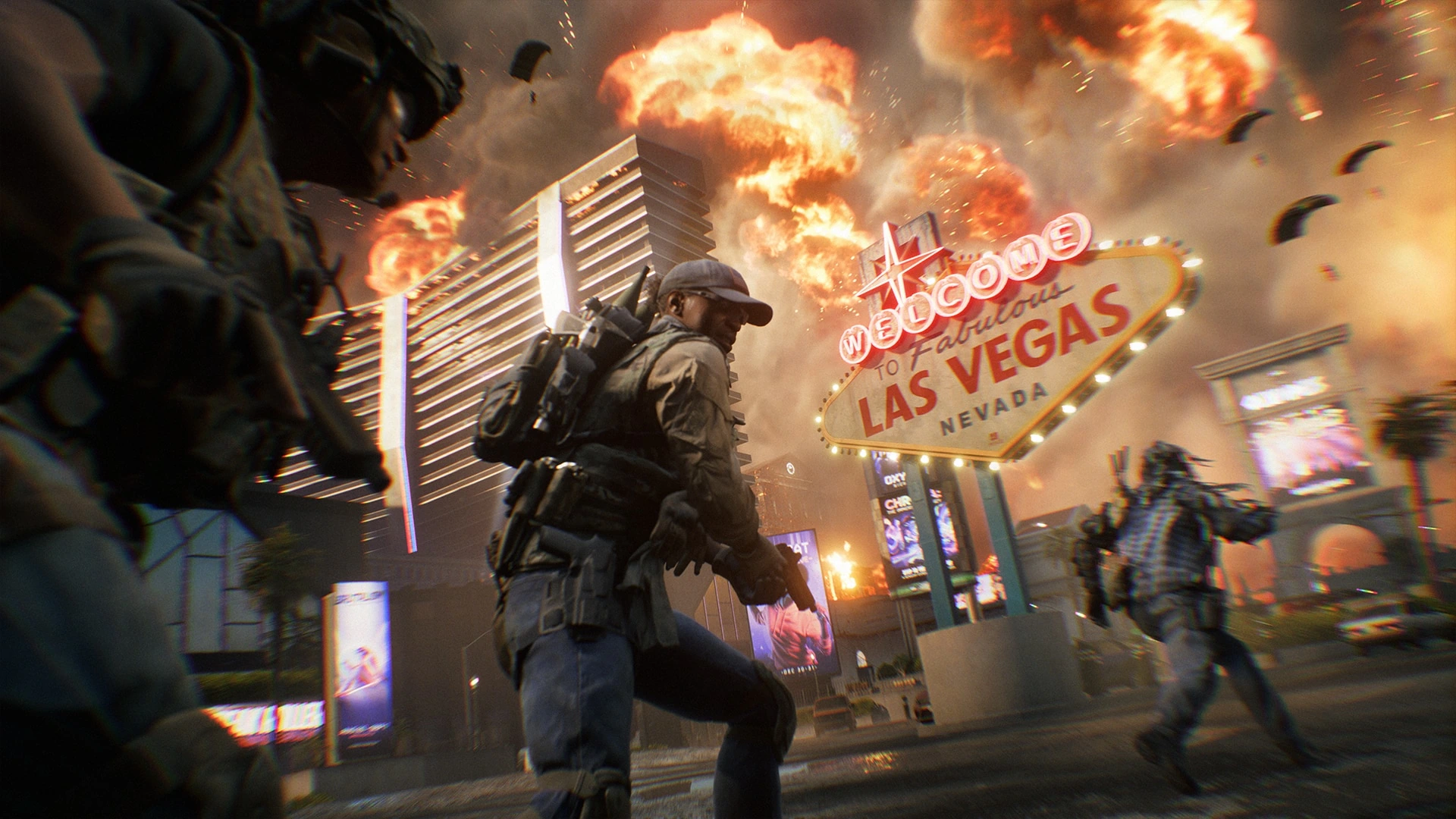
Electronic Arts has laid out a new competitive calendar for Battlefield REDSEC. Open Cash Cups lead into the Open Series and then a Battle Royale-focused Elite Series, creating several entry points for organized squads across APAC, EMEA and the Americas.
Table of Contents
Cash Cups give teams four independent chances
Four weekend Cash Cups are planned across APAC, EMEA and the Americas. Registration is open, each event uses single elimination, and the combined global prize pool is divided equally among the regions. The schedule makes these cups the quickest way for a newly assembled roster to enter official REDSEC competition.
The standalone format changes the cost of an early loss. A squad eliminated in one cup has not lost access to every later weekend, so it can review its rotations, communication and fight selection before registering again. That makes each appearance both a prize opportunity and a relatively contained test of whether the team’s preparation works under bracket pressure.
Single elimination still leaves little room for a slow start. Teams need roles and basic calls settled before their first match, because there may be no later round in which to repair an avoidable misunderstanding. A short review after each cup should focus on repeatable decisions rather than rebuilding an entire approach around one unusual engagement.
The Open Series rewards peaks and consistency
The Open Series uses several two-day events that lead to a regional final. Large entry fields are narrowed through squad lobbies, giving broad access at the start while steadily moving the strongest teams toward repeated Battle Royale decisions.
Qualification recognizes both strong finishes at individual events and position on the overall points table. That creates two useful targets.
Players should distinguish survival from useful scoring. Avoiding every fight may protect a placement for a while, but it can leave a team unable to respond when space closes; forcing every encounter can erase the value of a sound rotation. The series format favors squads that can identify when they need points now and when protecting a wider campaign is the better choice.
Elite now concentrates on Battle Royale
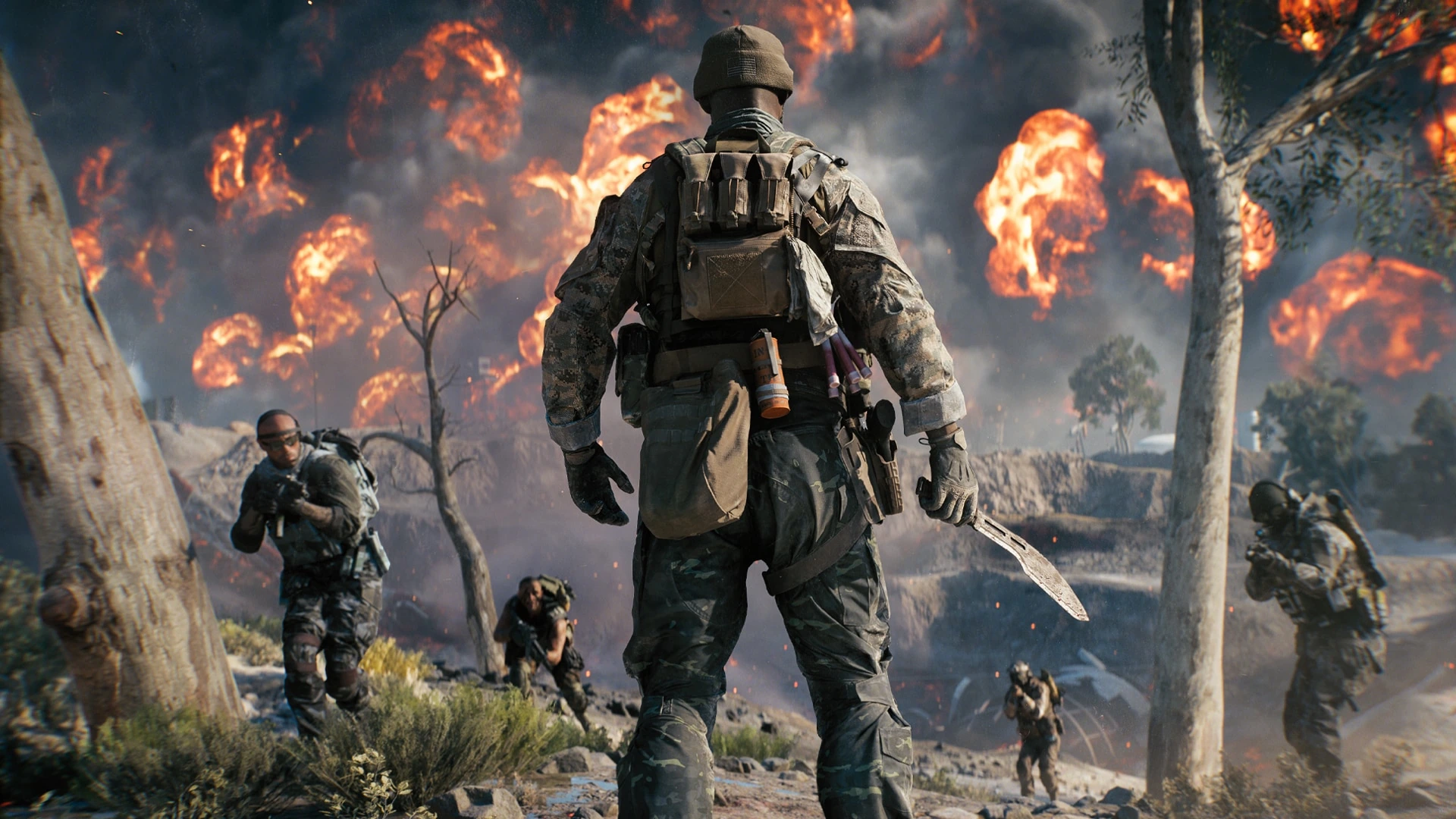
The Elite Series returns with a full regional field and a dedicated focus on Battle Royale rather than a split with Gauntlet. Teams move from group play into regular regional lobbies before the best performers reach the final. The structure creates an extended test instead of a single decisive bracket.
A consistent ruleset gives teams more practice value between match days. Rotations, landing plans and responses to contested space can be refined against the same central competitive demands. Viewers also get a clearer basis for comparison because every roster is solving the same type of match instead of dividing its preparation between substantially different formats.
The longer schedule places a premium on routines that survive a bad game. One unsuccessful drop should not force a roster into reckless decisions for the rest of the day.
Regional finals produce three champions
The Elite prize pool is divided evenly among the three regions. Finals use a match-point format and produce separate champions for APAC, EMEA and the Americas. The competitive path therefore remains attached to the region in which each team began qualifying.
Match point changes the final from a simple race to accumulate the largest total. Once eligible, a team still has to close out the championship under pressure. Rivals must track both their own scoring needs and which opponents are capable of ending the event, creating a different late-match problem from the regular series schedule.
Three regional titles also keep online competition grounded in comparable conditions. Players are not being asked to infer a single world ranking from matches played across distant environments. For supporters, the result is a clear local arc: open entry, qualification, sustained league play and a final that names the strongest finisher within that region.
Rapid Royale and proximity chat reshape everyday play
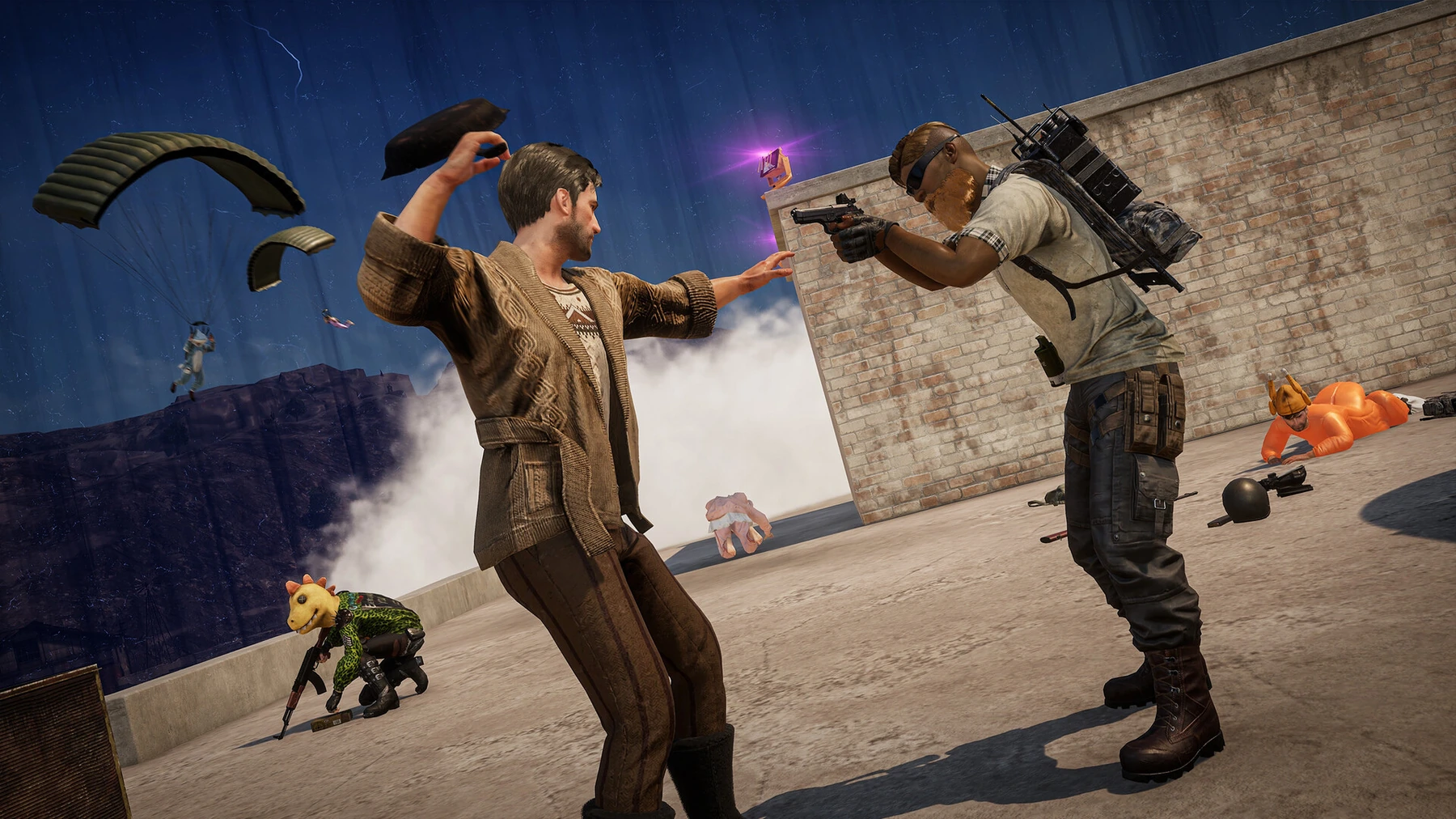
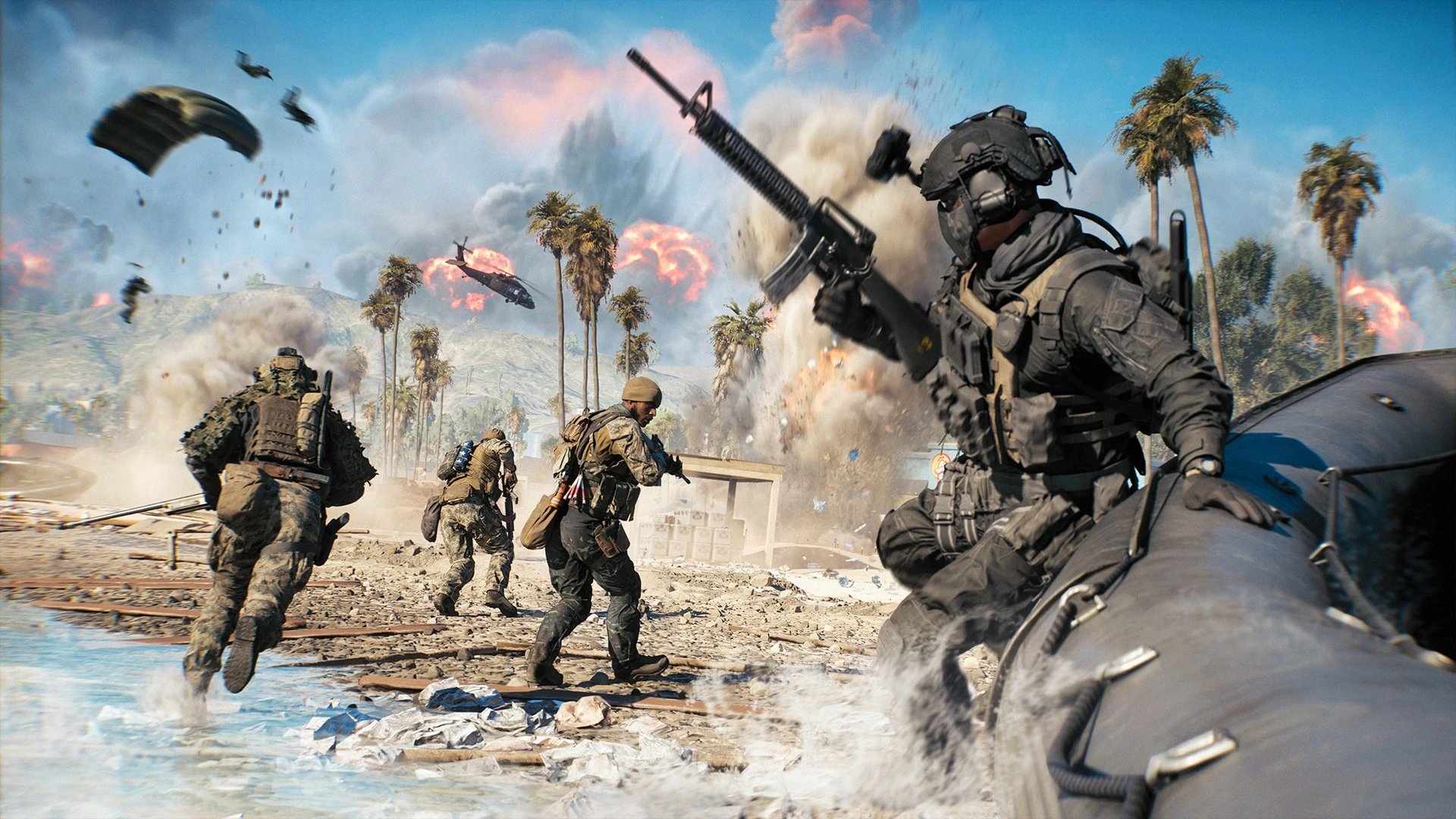
The new season will introduce Rapid Royale with fewer players, smaller spaces, faster circles and shorter matches. EA presents it as another way to play REDSEC, not as the Elite Series ruleset. Its compressed pace should suit players looking for frequent engagements, but practice there will not reproduce every spacing and rotation demand of organized Battle Royale.
Proximity chat is also coming to Battle Royale before the first Cash Cup. Its initial version adds nearby voices to public matches, and EA plans to evaluate range, clarity, moderation and the effect on play. Players can expect a new social layer, including information and distraction that did not exist in the same form before.
Tournament communication remains governed by event regulations, so public-match habits should not automatically become a competitive plan. The practical preparation is to separate the two environments: use Rapid Royale for quick decisions, ordinary Battle Royale for broader spacing, and official rules for every question about what applies inside a Cash Cup or series lobby.