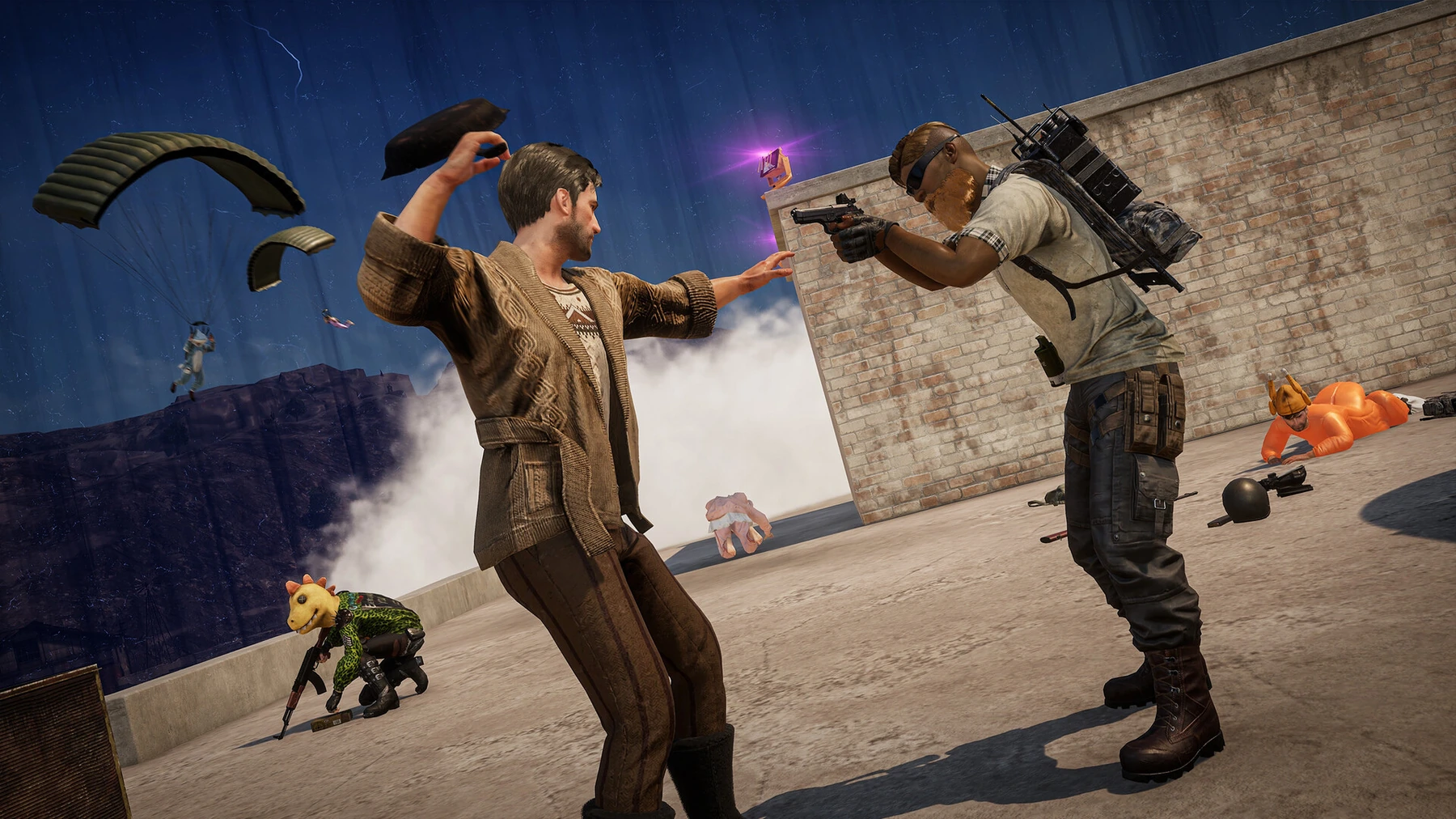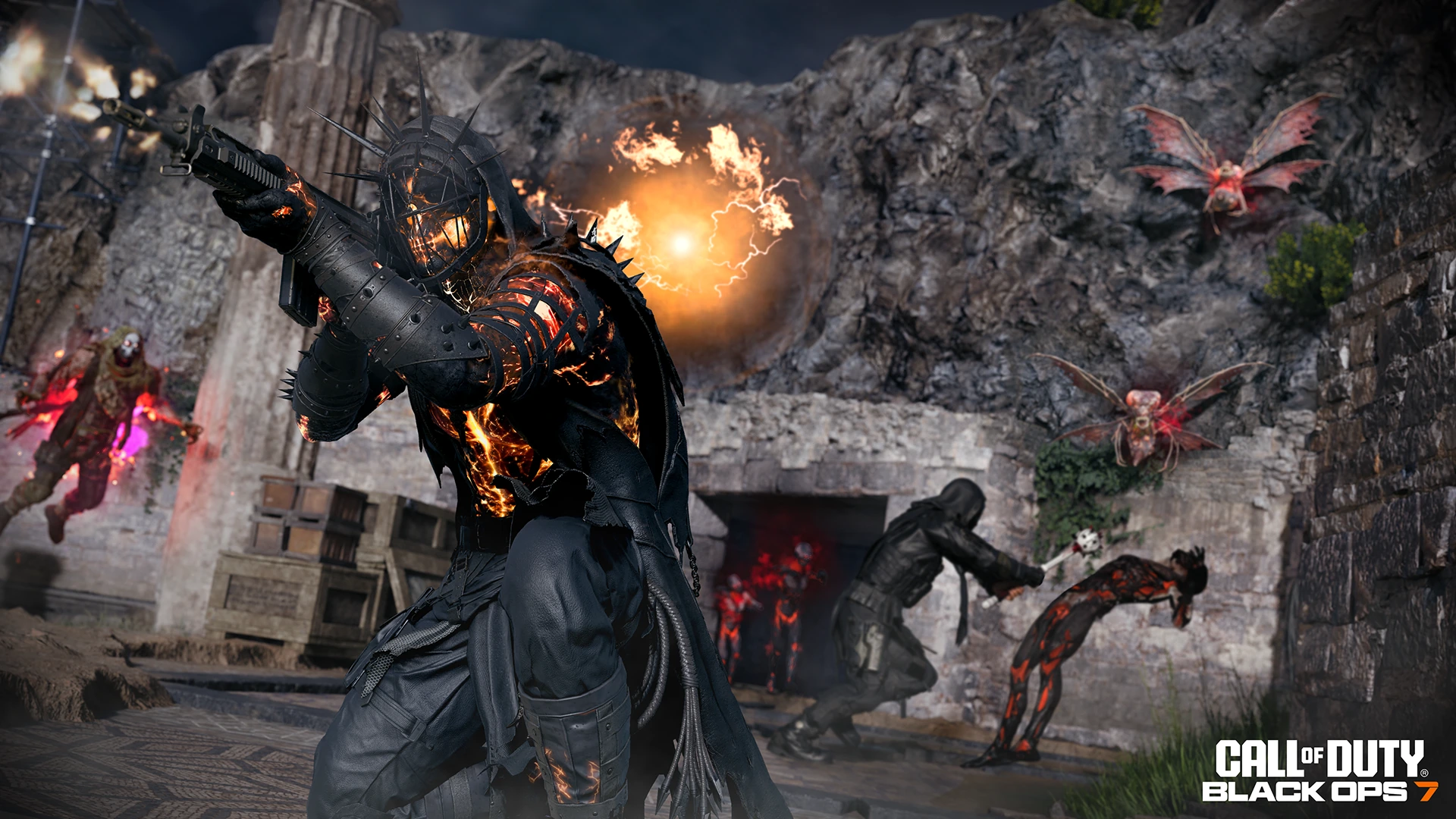
Call of Duty Season 06 begins in Black Ops 7 and Warzone on September 17 at 9 a.m. PT. The Haunting spreads its horror theme across competitive multiplayer, Zombies, Endgame and a transformed Warzone battleground, giving players several distinct reasons to return at the same launch time.
Table of Contents
One update reaches every major mode
The announcement treats The Haunting as a connected seasonal release rather than one themed playlist. Multiplayer receives Quantum and Bloodstead, Zombies expands with Tenshu, Endgame moves into a darker version of Avalon, and Haven’s Hollow becomes Haunted Hollow in Warzone. Players can therefore choose a familiar mode without missing the central theme of the update.
That breadth matters for groups whose members do not all play Call of Duty in the same way. A competitive multiplayer regular can learn new spaces while a cooperative squad tackles Survival or the Forbidden Summoning event.
The shared date also makes preparation straightforward. An update that changes maps, visibility and objectives rewards players who enter with a specific plan, especially if their available time is limited. Picking one branch first should be more productive than moving rapidly between modes and learning none of their new rules or routes in depth.
Haunted Hollow asks squads to relearn familiar ground
Haunted Hollow reworks the Resurgence setting with changes around the river boat, lumbermill, mansion, pond and research area. This is more consequential than a nighttime filter.
The Ghost Train adds another moving consideration because it only becomes physical periodically and carries supplies when it does. Trick-or-treat pumpkins can produce something helpful or introduce danger. Both features make timing part of the map knowledge: seeing an object is not the same as knowing it will be safe or usable when a team reaches it.
For the opening sessions, clear callouts will be more valuable than confident guesses. Squads should identify which crossings still work, where changed structures break sightlines and how long an interaction leaves them exposed.
Giant Infected replaces the usual battle royale priority
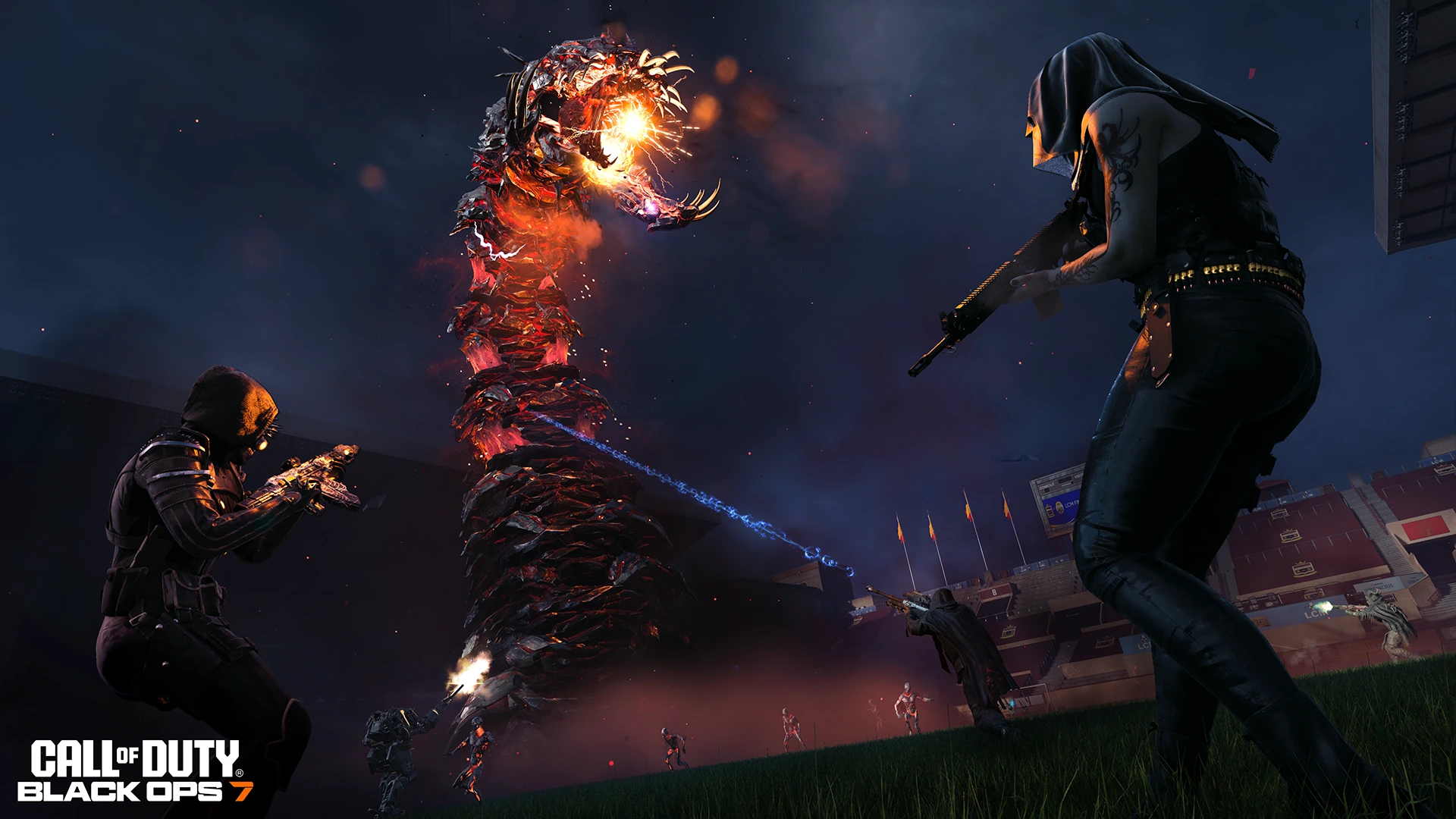
Giant Infected begins with 64 players on Haunted Hollow and eight of them already infected. The survivors are not merely trying to remain alive until everyone else is gone: they must assemble and detonate a DNA bomb before infection consumes the lobby. That objective gives the large seasonal mode a clear finish line beyond ordinary placement.
Survivors will need enough space and time to complete the task, which turns protection and coordination into direct progress. The infected side benefits from disrupting that process and increasing its numbers.
The rules should also influence movement. Survivors have a reason to gather around useful work, but concentration can make them easier to overwhelm; infected players can create value by sustaining pressure rather than chasing isolated action with no effect on the bomb. Understanding that push and pull should make the crowded battlefield easier to read.
Quantum and Bloodstead demand different kinds of learning
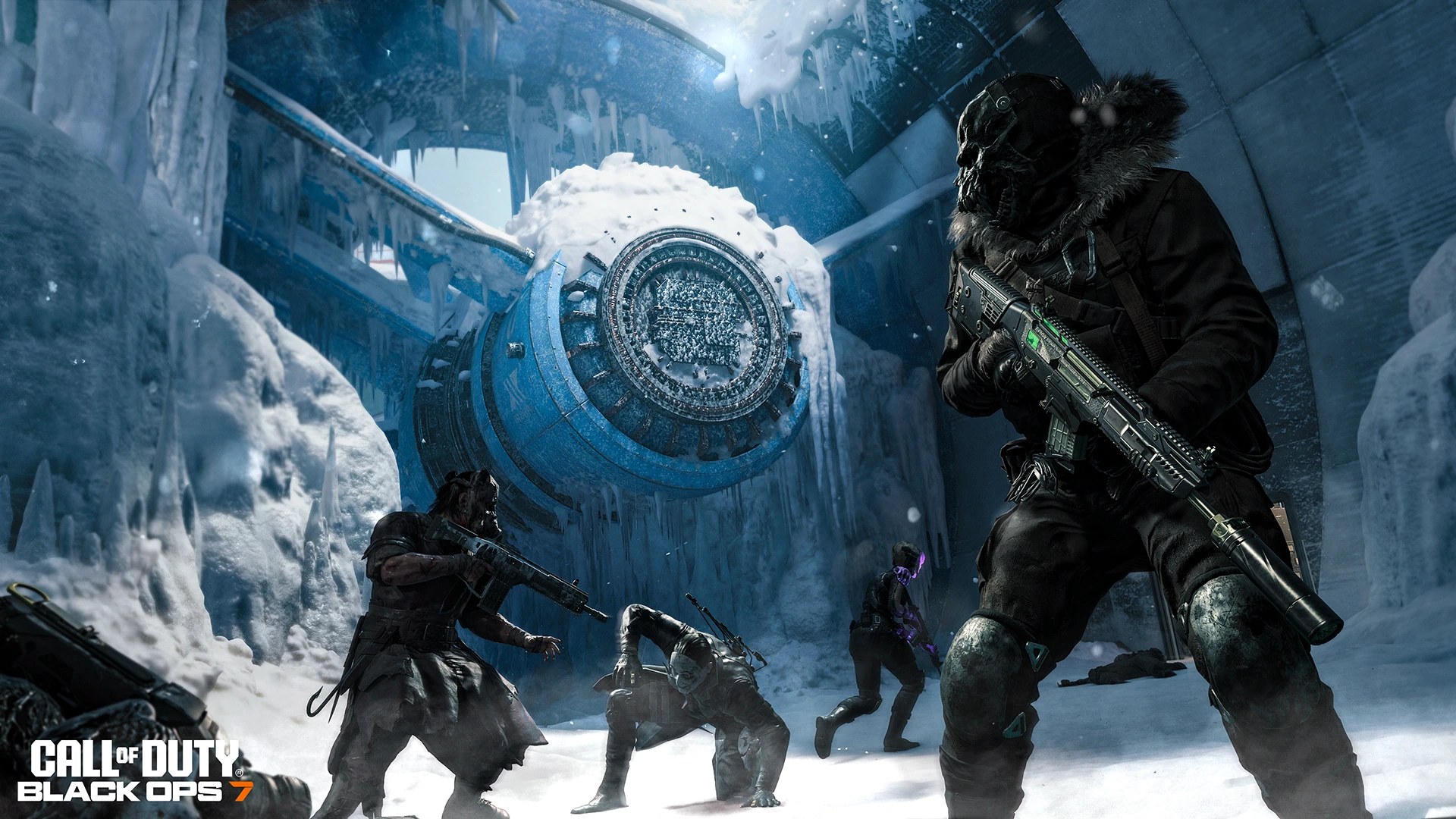
Quantum is a medium-sized 6v6 map set in an Arctic computing facility, so it presents new geometry to learn from the first match. Bloodstead instead transforms Homestead through blocked sightlines, disturbing interiors and a harsher identity. One asks players to build a route map from scratch; the other challenges assumptions formed on recognizable ground.
The distinction is useful when diagnosing a rough match. On Quantum, hesitation may come from not yet knowing connections or likely meeting points. On Bloodstead, the problem may be an old angle that no longer exists. Treating both as simple cosmetic additions would obscure the different work required to become comfortable on each map.
Other multiplayer offerings change rules as well as scenery. T.E.D.D. Trials brings three Zombies settings into multiplayer, while Hordepoint again ties objective control to roaming undead.
Zombies and Endgame offer separate progression goals
Tenshu expands the Survival side of Zombies, while Rogue Run gains additional maps and pedestal rewards. These activities support different session lengths: Survival offers a focused location to master, whereas repeatable Rogue Run content gives returning groups more combinations to explore. Cooperative players can choose the structure that best fits the time they have available.
Endgame receives the Forbidden Summoning event, which asks squads to release and confront a new threat. Avalon also shifts into Nightfall, changing the atmosphere and visibility around activities regular players already understand. Familiar knowledge remains useful, but teams may need to adjust how they scan approaches and stay together when landmarks are harder to read.
Season 06 is described as a shortened ranked run, and its rewards are spread across the pass, events and weekly challenges. Black Ops Royale is also marked for its last seasonal appearance, while Warzone adds victory-streak camouflage challenges. Anyone pursuing a particular item or final run should prioritize that goal early instead of planning around the rhythm of a longer season.