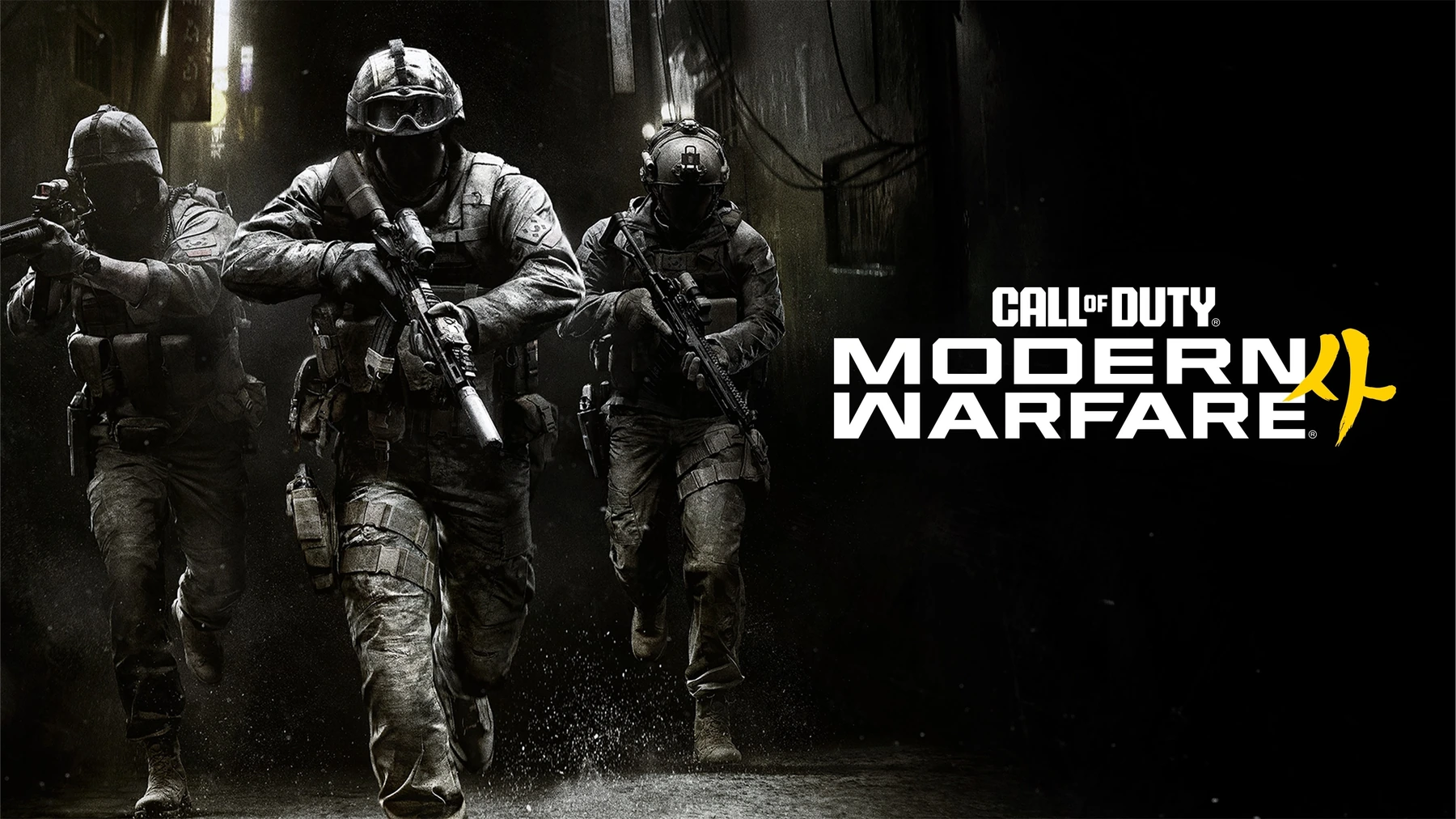
Call of Duty: Modern Warfare 4 releases on October 23. The campaign places Captain Price and his team inside a conflict linked to an invasion of the Korean Peninsula. The announced setting gives the story a specific starting point, but the finished campaign will determine whether its missions explain the stakes with enough care.
Table of Contents
The Korean Peninsula setting frames a fictional military crisis
Using a recognisable region creates immediate tension, but the campaign describes a fictional conflict made for the game. Its factions, operations and chain of events belong to the Modern Warfare story rather than a forecast about real governments. Clear mission briefings and consistent names will be important because the location is familiar to players. The setting provides strategic geography, while the campaign must establish its own causes and objectives inside that geography.
Captain Price provides continuity, not an automatic solution
Price gives returning players a familiar point of view, yet a new crisis should test him in different ways. His presence can connect earlier Modern Warfare decisions to the new campaign, but the supporting team still needs defined roles. A squad story becomes stronger when reconnaissance, negotiation and direct action are assigned to characters with different responsibilities instead of making one commander perform every task.
| Release detail | Confirmed information |
|---|---|
| Date | October 23, 2026 |
| Campaign figure | Captain Price |
| Conflict | Crisis on the Korean Peninsula |
| Package | Campaign, multiplayer and cooperative play |
Campaign pace depends on readable objectives
Large set pieces work best when the player knows the immediate goal before explosions and radio traffic begin. A mission can change direction, but the change should be stated in simple language: protect a route, reach an extraction point or stop a specific threat. Clear objectives allow spectacle to support the story. Without them, the player may complete a dramatic sequence without understanding what the team achieved.
Multiplayer preparation depends on the confirmed rules
Weapon lists, map counts and progression systems can change before launch. Activision’s official mode pages and beta notes will establish which features reach the finished game. A confirmed release date does not validate every rumour circulating around the multiplayer package. Platform access, cross-play options and storage requirements will become practical checks once they appear on the store page for each edition.
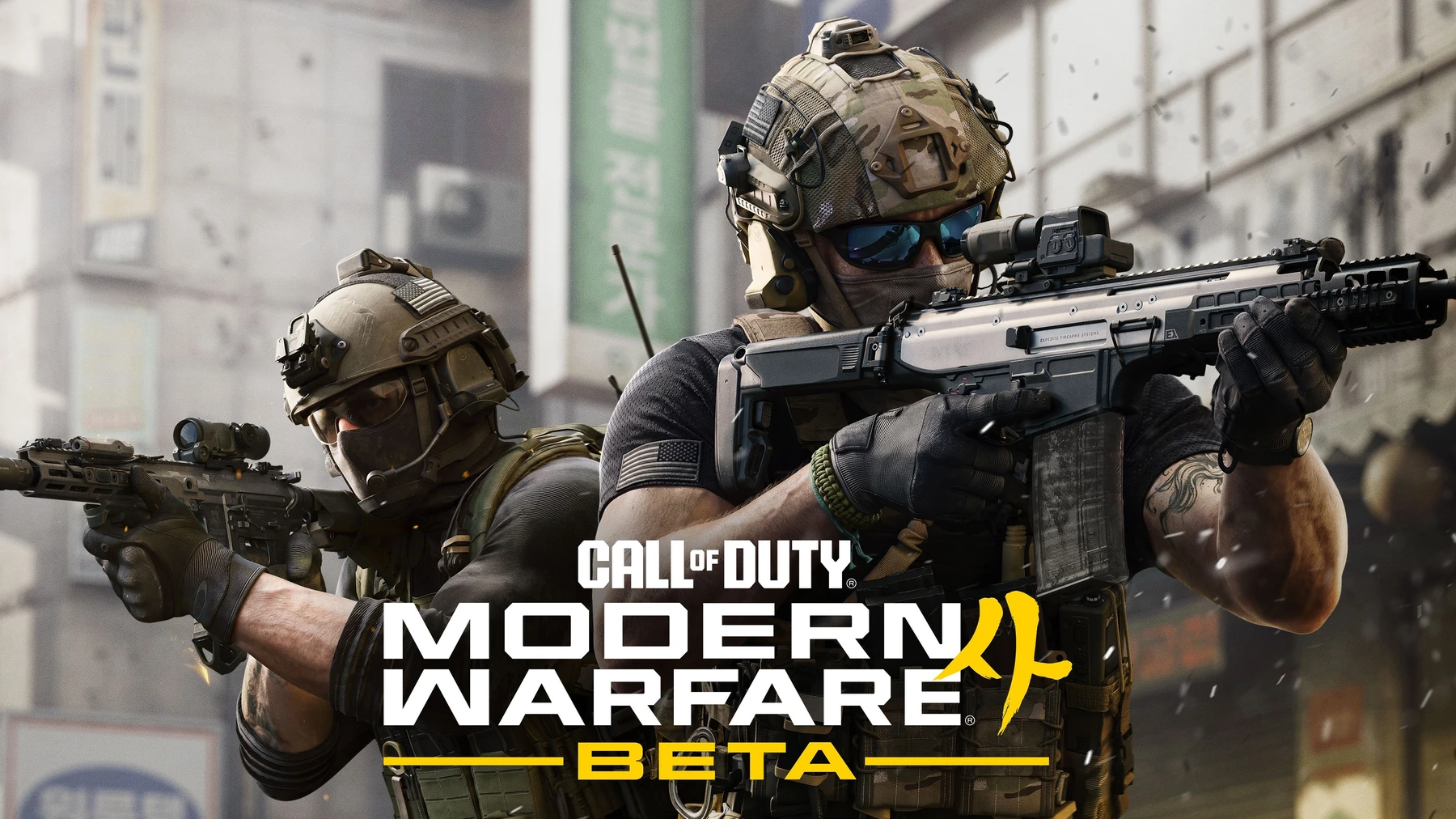
Cooperative play needs roles that can be communicated quickly
A cooperative mode becomes easier to understand when each player can state a task in one short sentence. One teammate controls an entrance, another handles an objective and a third preserves a route out. Long explanations during combat are rarely useful. If Modern Warfare 4 connects campaign themes to cooperative missions, the best teams will still depend on simple calls and a shared understanding of failure conditions.
Edition comparison should focus on access and content
Store pages may present several editions with cosmetic packs, early unlocks or additional points. Buyers should compare what each edition changes on October 23 and what remains optional. A more expensive version is not automatically a larger campaign. The standard edition may already contain the complete set of core modes. Reading the included-items list prevents a cosmetic reward from being mistaken for an exclusive mission.
October 23 is confirmed while mode details are still arriving
Activision has confirmed the release date and the campaign premise. The publisher has not yet provided every weapon, map, progression rule or final technical requirement. Those details can still change as separate mode explanations appear. Players can plan around October 23 and the announced Korean Peninsula crisis, but campaign length and multiplayer balance will only become clear through the completed game and official pre-launch documentation.
Mission geography can connect the fictional campaign
Mountain routes, dense cities and coastal approaches can create very different combat spaces within the same regional setting. The campaign can use those changes to move between long sight lines, close interiors and vehicle operations without abandoning its central conflict. Consistent objectives and faction names will determine whether those locations feel like one connected operation.