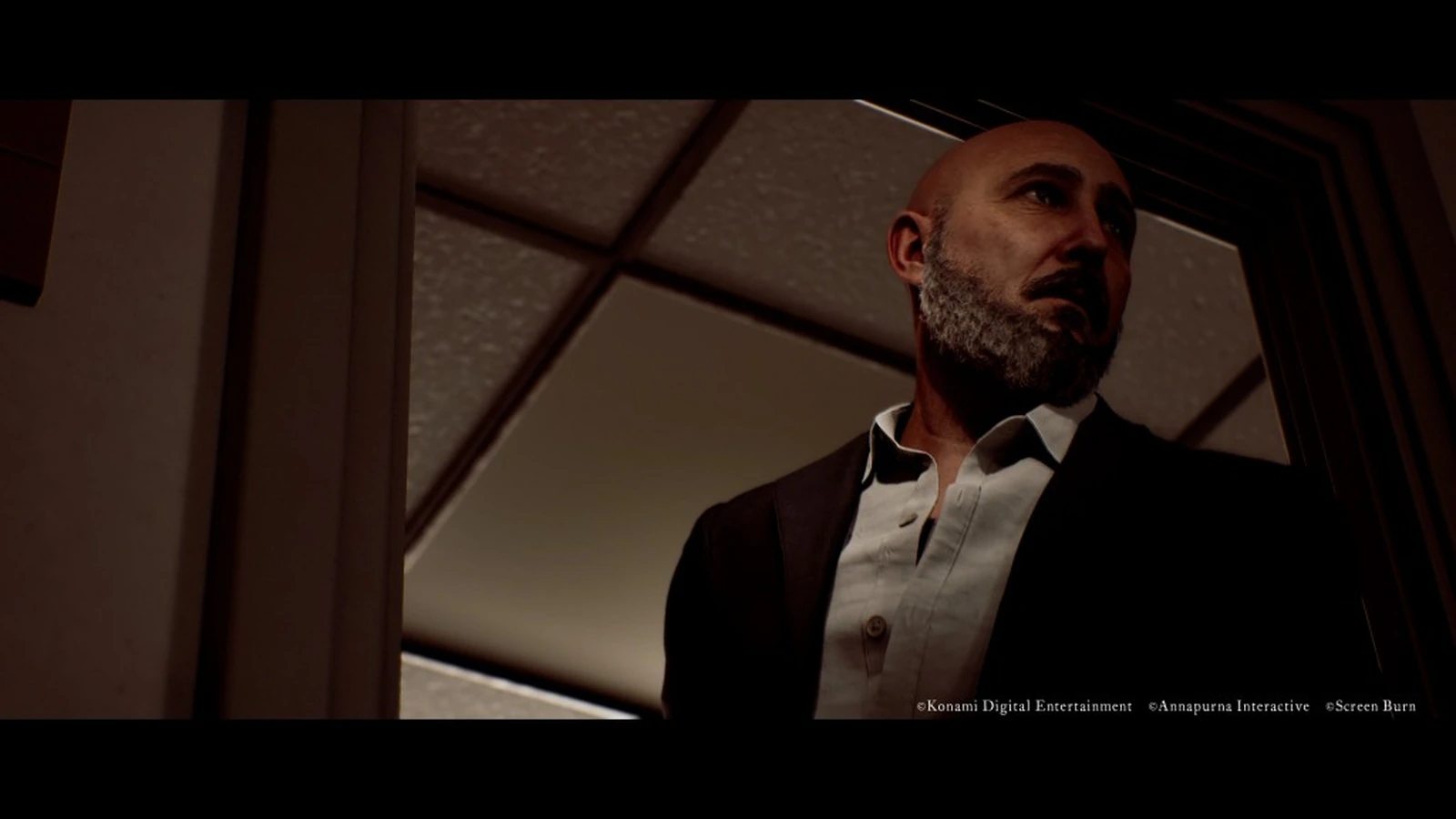
Silent Hill Townfall releases on September 24. Its story is connected to St. Amelia, a place shaped by memory, guilt and threats that cannot be explained by a simple map. The game extends the series through a new location rather than repeating the streets and characters of an earlier entry.
Table of Contents
St. Amelia gives the horror one stable name
Psychological horror becomes easier to follow when the player has at least one reliable reference. St. Amelia can serve that role even if its rooms change or its history is incomplete. Signs, objects and repeated sounds can show that two scenes belong to the same place. The mystery then comes from understanding what happened there, not from wondering whether the game has moved to an unrelated building without explanation.
The past should change interpretation rather than stop progress
Documents and memories can add meaning to a corridor the player has already crossed. A locked room may become frightening because the story explains who used it, not only because a creature appears inside. Good environmental storytelling rewards attention while keeping the main route available. Players who examine details gain context, while those who remain focused on survival still understand the immediate objective.
| Release detail | Confirmed information |
|---|---|
| Date | September 24, 2026 |
| Setting | St. Amelia |
| Genre | Psychological horror |
| Series | A new standalone Silent Hill story |
Threats are stronger when sound gives a fair warning
Silent Hill often creates fear through uncertainty, but uncertainty does not require random damage. A distant scrape, radio response or change in room tone can tell the player that danger is near without showing its exact position. Headphones can make those cues clearer, although subtitles and visual indicators should support players who cannot rely on audio alone. A warning creates tension because the player must decide whether to hide, search or continue.
Resource pressure should support the story’s pace
Limited healing and ammunition can make each room meaningful, but extreme scarcity may encourage constant reloading instead of careful play. The strongest balance gives the player enough tools to recover from one mistake while preserving the cost of repeated panic. Checking corners and choosing when not to fight should save resources. A horror game feels more coherent when restraint is a valid tactic rather than a punishment for refusing every confrontation.
A standalone entry can welcome players who missed earlier games
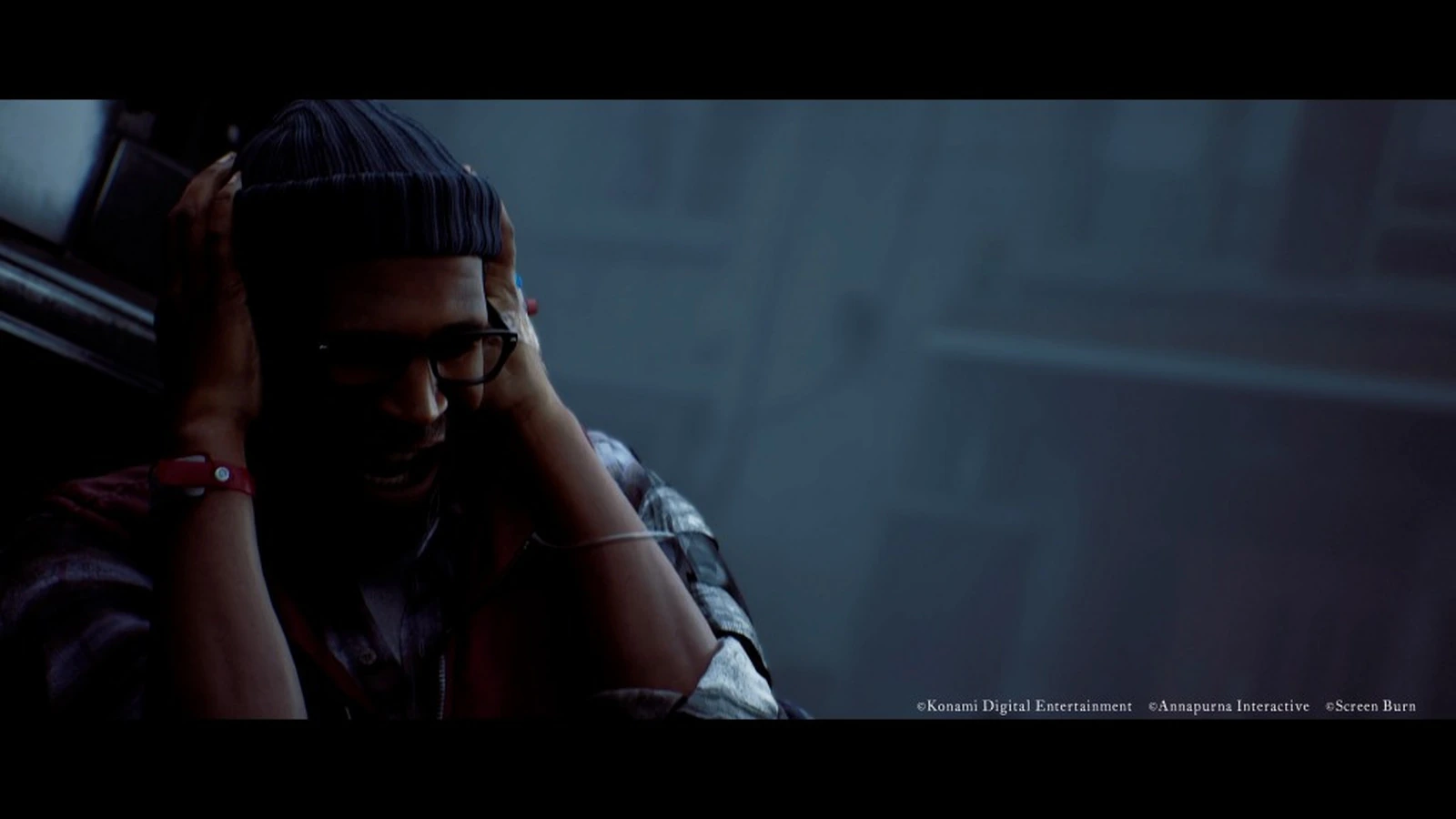
Townfall belongs to Silent Hill, yet its new setting allows the story to introduce its own rules. New players should not need a complete history of the series before entering St. Amelia. Returning fans can recognise themes and visual language, but the central characters and conflict must make sense inside this game. That balance respects the series without turning prior knowledge into a requirement for understanding the first chapter.
Display settings can preserve details hidden in darkness
Before starting, players should adjust brightness using the game’s calibration image rather than raising it until every shadow disappears. Excessive brightness can flatten scenes designed around limited visibility, while a setting that is too dark can hide necessary objects. Subtitle size, controller vibration and camera sensitivity also deserve an early check. Comfort settings help the player read the horror instead of fighting the screen.
The firm release date still leaves St. Amelia’s mystery intact
September 24 is the confirmed launch date. The available material establishes St. Amelia, a psychological horror structure and a standalone story, but it does not reveal every twist. The location must remain understandable enough to explore while giving players reasons to question what they see. The finished game will decide whether that balance works. Until then, the new setting and launch date provide a clear identity without relying on unverified trailer theories.
A first session benefits from short breaks
Psychological horror uses sustained sound and visual pressure. A short pause after a difficult section can restore attention and make clues easier to notice. The game does not become less frightening when a player manages comfort; it becomes easier to follow without missing an objective because fatigue has replaced tension.