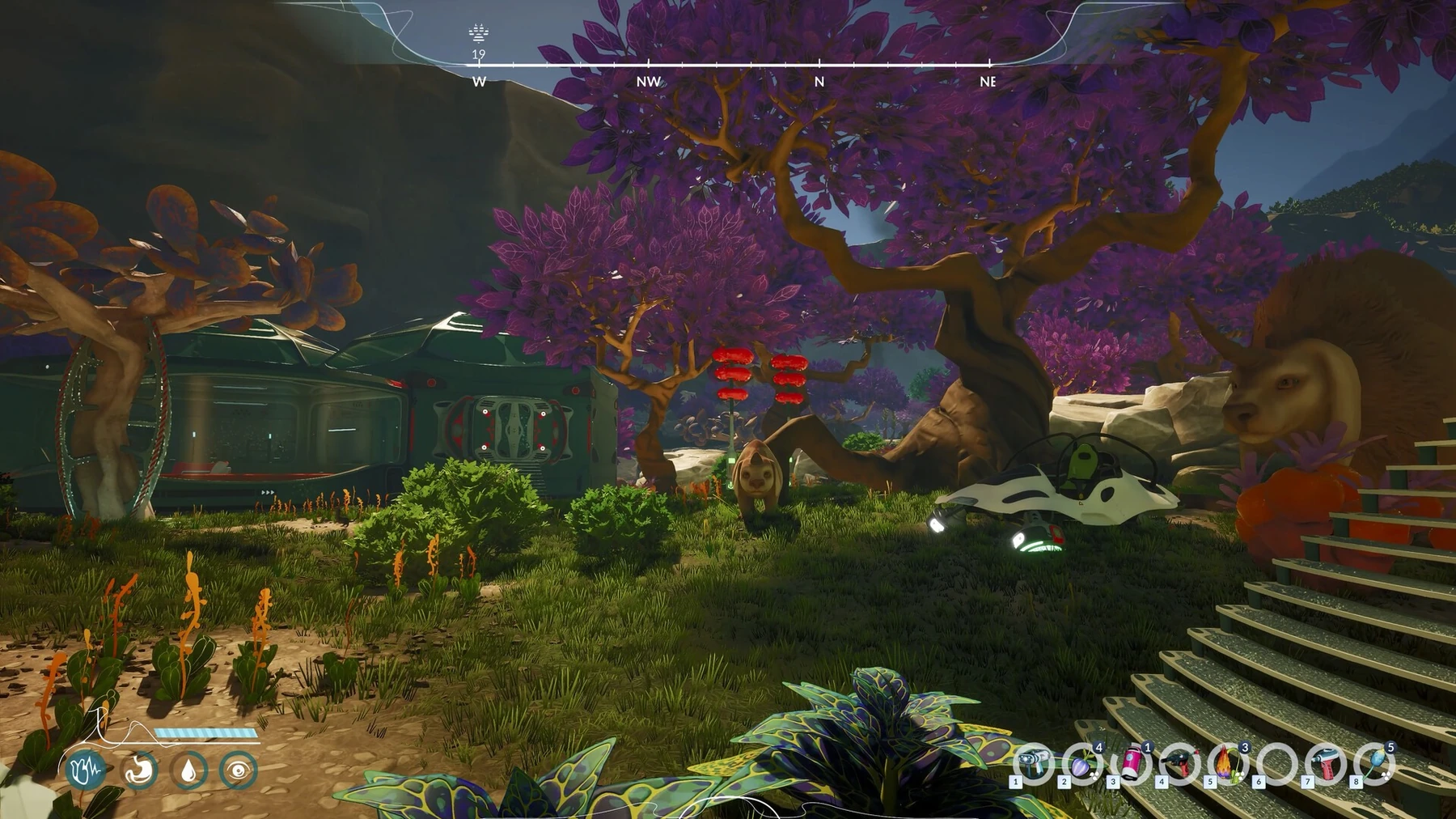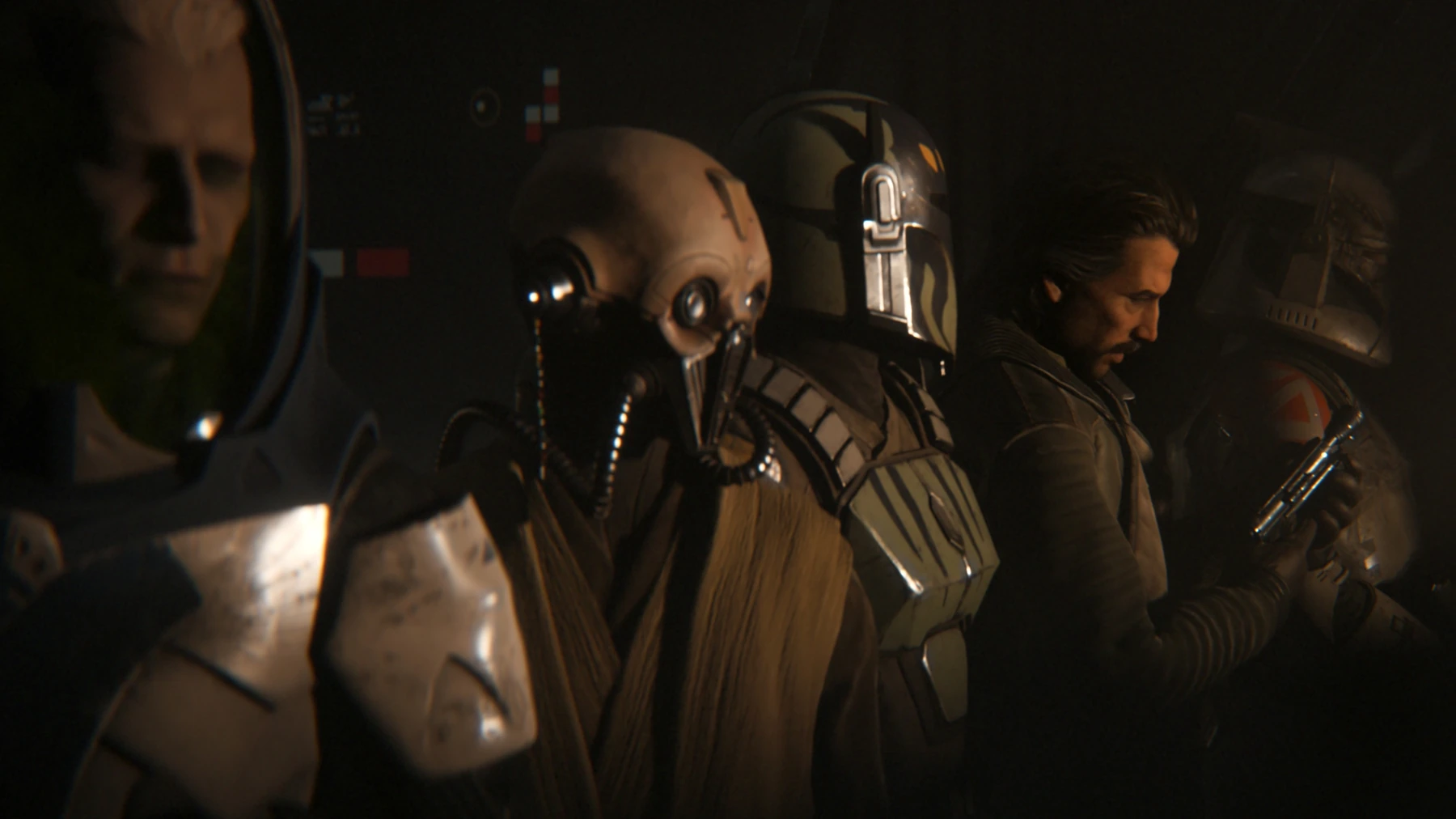
Star Wars Zero Company is now available. The game follows Hawks, a former Republic officer who leads a small company through an original Clone Wars story. Instead of placing famous film characters at the centre of every mission, the campaign asks players to build a mixed squad and make tactical choices that shape how the unit survives each operation.
Table of Contents
The campaign begins with a company rather than a finished legend
Hawks enters the story with military experience but without an unbeatable army. That starting point gives the player a practical reason to recruit specialists, learn their limits and protect them between missions. A soldier who is useful at long range may need cover in a narrow interior, while a close-range fighter can open a route only after another member has removed an exposed threat. The squad works when every role has a clear purpose, not when one character is expected to solve the whole map.
Position and order of action decide more than raw damage
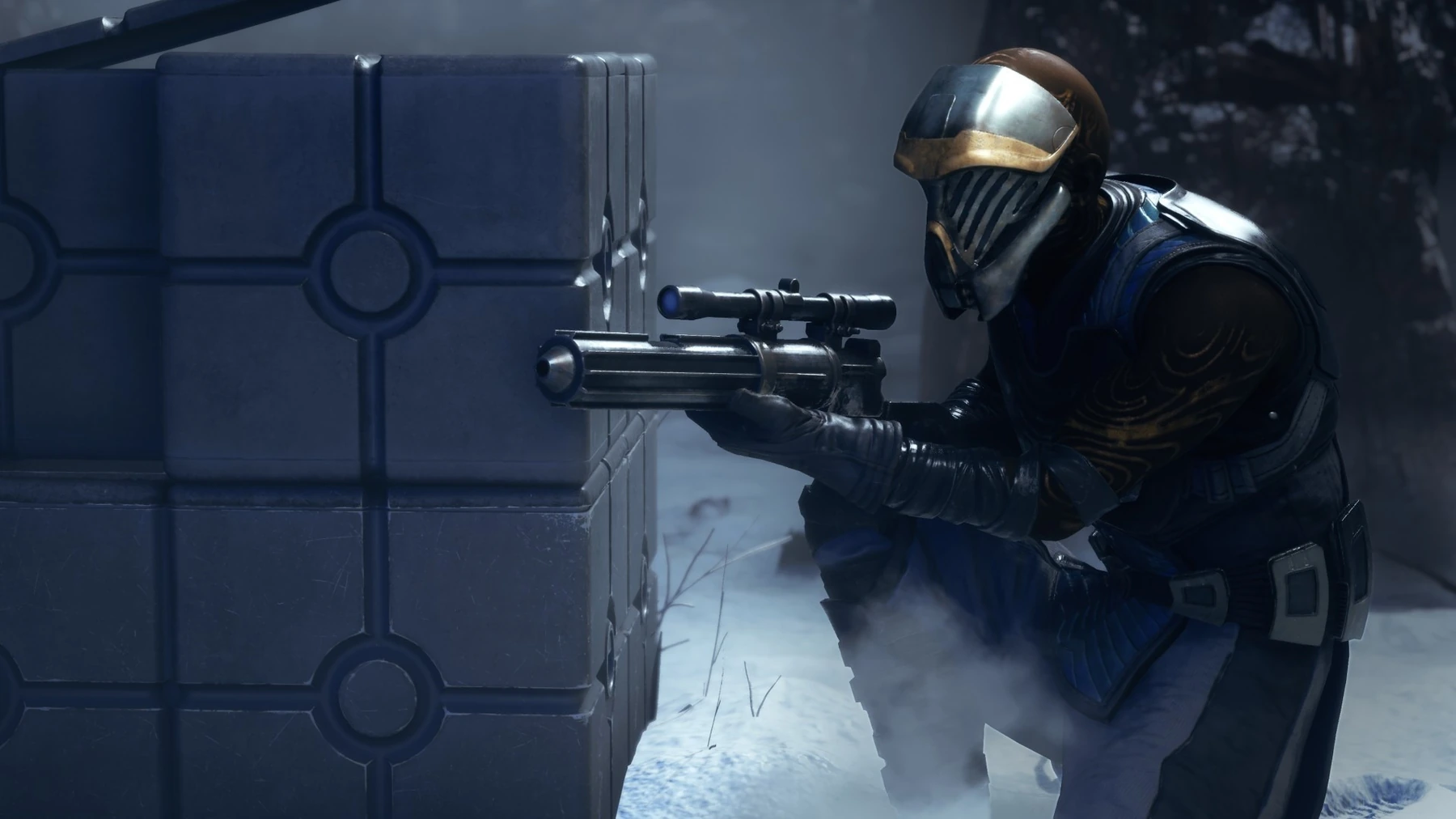
Zero Company uses turn-based battles, so movement is a commitment rather than a quick correction made after a missed shot. High ground, sight lines, cover and the distance to an objective all matter before an attack begins. The safest move is not always the strongest move. A player may hold one unit back to protect a retreat, use another to draw attention and save a decisive ability for the enemy response. Reading the battlefield first keeps a promising turn from ending with an isolated squad member.
| Campaign element | Confirmed role |
|---|---|
| Commander | Hawks, a former Republic officer |
| Main structure | Single-player tactical missions |
| Squad | Custom recruits and established Star Wars allies |
| Setting | The final years of the Clone Wars |
Recruitment creates different answers to the same mission
The company can include new operatives from several backgrounds alongside recognisable allies from the wider Star Wars setting. That variety changes the route through an encounter. One group may rely on accurate fire and controlled advances, while another uses mobility, disruption and short attacks from several directions. Recruitment is therefore not only a collection screen. It determines which risks the player can accept and which objectives require a slower plan.
The Clone Wars setting supports difficult loyalties
The final years of the Clone Wars are useful because the conflict already contains competing orders, private interests and uncertainty about the Republic. Zero Company can tell a smaller story inside that pressure. Hawks must complete operations while deciding whom the company can trust and what each contract will cost the people carrying it out. The campaign does not need to repeat a film scene to feel connected to Star Wars; its strongest link is the tension between duty, survival and personal choice.
Preparation between missions protects the next deployment
A tactical campaign is also managed outside combat. Players need to review injuries, equipment and the abilities that have become available before selecting the next team. Sending the same favourite unit into every operation can leave the company without a suitable reserve when conditions change. A balanced roster gives more room to react to a new enemy type or a mission that rewards stealth, defence or fast extraction instead of a direct assault.
Clear objectives keep long battles understandable
Each turn should be judged against the mission goal. Eliminating every visible enemy may be unnecessary when the real task is to reach a terminal, escort an ally or leave before reinforcements arrive. The player gains control by separating urgent threats from targets that can wait. That habit also makes the story easier to follow because success comes from completing an operation, not from producing the largest damage total in a fight that had a different purpose.
The release gives strategy players a complete starting point
Zero Company arrives as a playable release, not as a distant announcement. New players can begin with the standard difficulty, learn how cover and squad roles interact, and increase the challenge after they understand the campaign economy. The important first step is to keep the company flexible. A carefully preserved operative remains useful for many missions, while a reckless victory can leave the roster too weak for the next chapter. That lasting consequence is what gives each tactical decision weight.