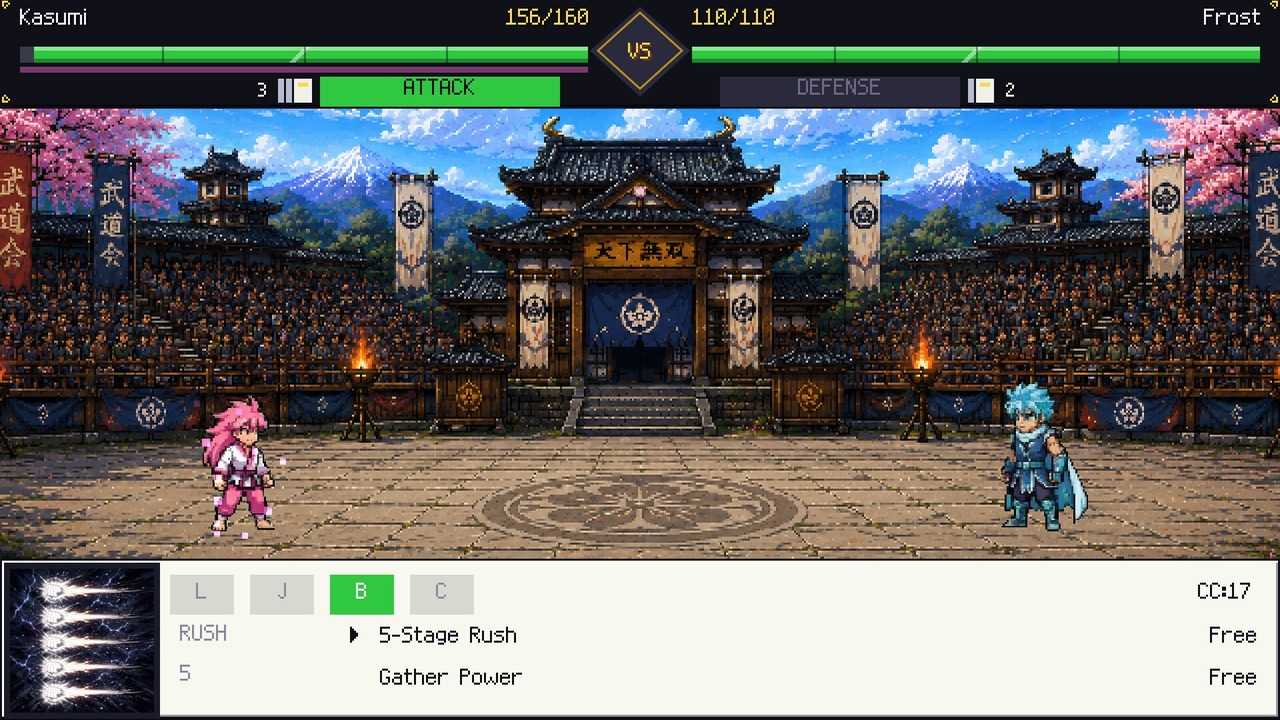
Warrior Spirits launches on Steam on 22 August. The game combines turn-based card battles with martial-arts character growth. Players build a deck, improve fighter statistics and move through a story-led adventure.
The release also includes roguelike runs, raid bosses and online player battles. These modes use the same core cards in different situations. A deck that works against a predictable enemy may need changes against another person.
Table of Contents
Deck building determines the fighter’s available moves
Each card represents an action that can support attack, defence or another tactical purpose. A deck needs enough useful options without becoming too broad. Drawing a powerful card at the wrong time may still leave the fighter exposed. Players can begin with a simple plan. A small group of cards can create damage, while defensive cards protect the turns needed to prepare it. Later additions should support that plan or answer a clear weakness.
Removing an unreliable card can be as useful as adding a rare one. A focused deck reaches its key actions more often and makes each turn easier to evaluate.
Fighter statistics change how the same deck works
Fighter upgrades let players develop a personal style beyond card selection. More health can support a patient plan. Offensive growth can shorten battles when the deck already creates safe openings. A balanced build gives room to learn, but spreading every point evenly may hide the fighter’s strongest route. Players should watch which problem ends most runs before choosing the next improvement.
The story mode lets players test those choices. A loss can reveal whether the deck lacked defence, damage or a reliable answer to one enemy action.
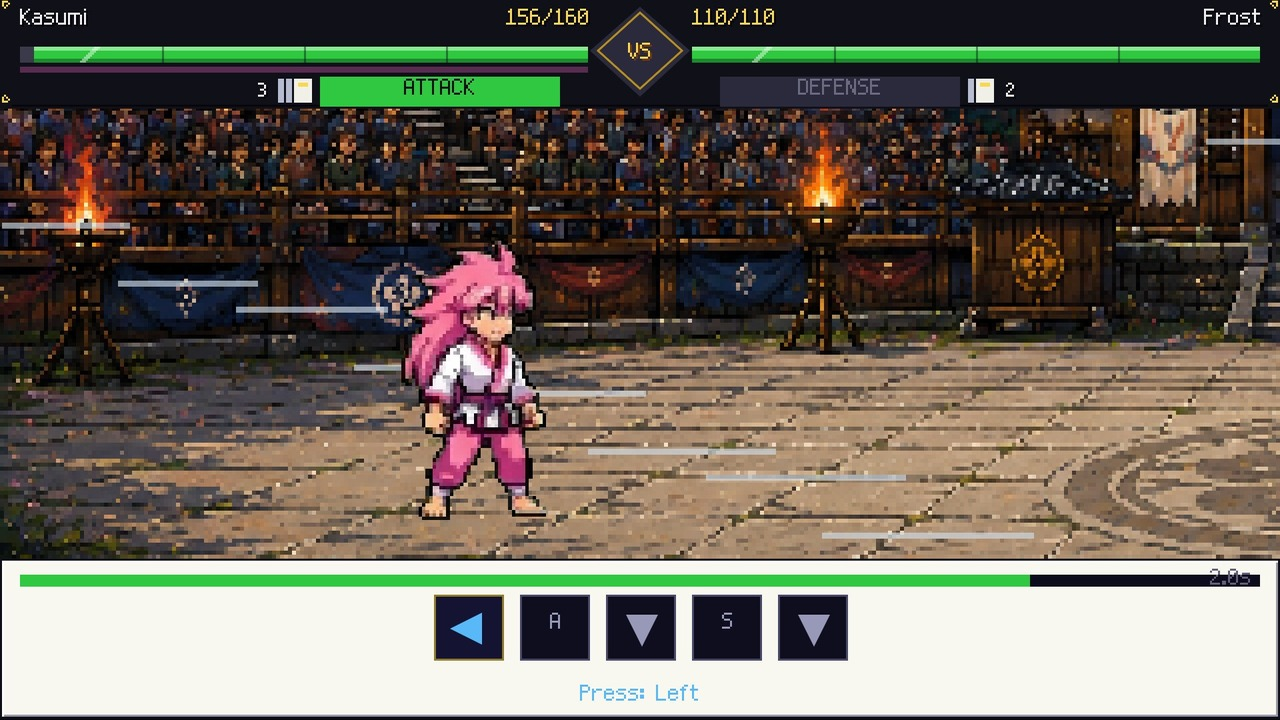
Roguelike attempts and raid bosses require different plans
A roguelike run asks the player to survive several connected decisions. Resources spent early may not be available later. Consistency therefore has more value than one risky combination. Raid bosses can reward a specialised plan. Their repeated patterns give players a chance to identify a safe response and build around it. Team coordination may also matter when several players share the encounter.
Neither mode proves that a deck is ready for online play. Human opponents can change pace, hide intentions and punish a repeated sequence.
| Game mode | Main planning need |
|---|---|
| Story mode | Learn cards and develop the fighter |
| Roguelike mode | Protect resources across several battles |
| Raid bosses | Answer repeated boss patterns |
| Online battles | Adapt to another player’s choices |
Online battles reward adaptation instead of one fixed plan
A player can enter a match with a prepared sequence, but the opponent controls the other half of the problem. Good decisions depend on the visible hand, remaining resources and likely response. Early matches should be used to learn common strategies. Recording one reason for each loss is more useful than replacing the complete deck after every result.
Warrior Spirits enters release with several ways to use its martial-arts cards. The strongest long-term value will depend on clear balance, reliable online play and enough meaningful choices in every mode.
New players can test a deck with three questions
The first question is whether the deck can act on an ordinary turn. A hand full of expensive cards may contain strong effects but leave the fighter unable to respond early.
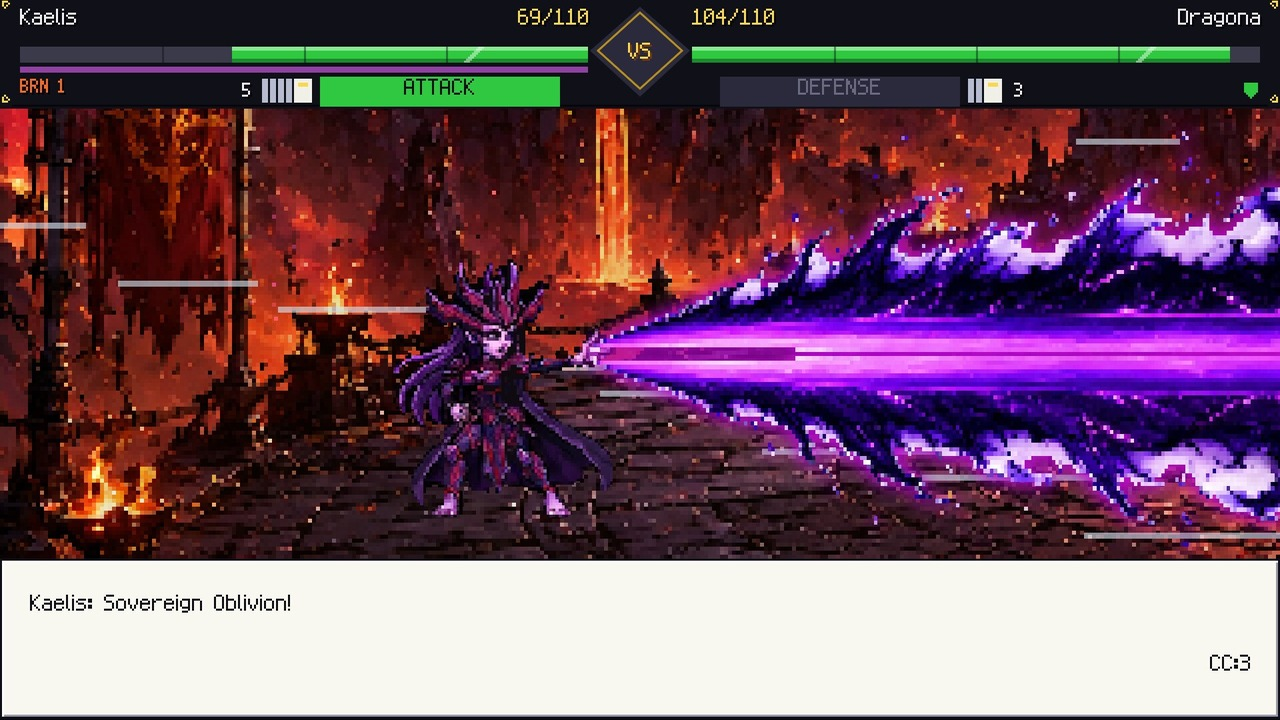
The second question is whether the deck can survive pressure. Defence does not need to stop every attack, but it must protect the turns required for the main combination. The third question is how the deck finishes a battle. Players should know which card or sequence turns an advantage into victory. Without that answer, a match can continue until the opponent recovers.
These questions provide a simple review after story and online battles. They identify a real weakness without copying a complete list from another player. The final deck can then reflect both the game mode and the player’s preferred style. Online players should also confirm connection and control settings before a ranked or competitive match. A practice battle can reveal input mistakes without affecting an important result. Stable controls let the player focus on card order and opponent behaviour. Technical preparation is a small step that protects the value of tactical preparation.