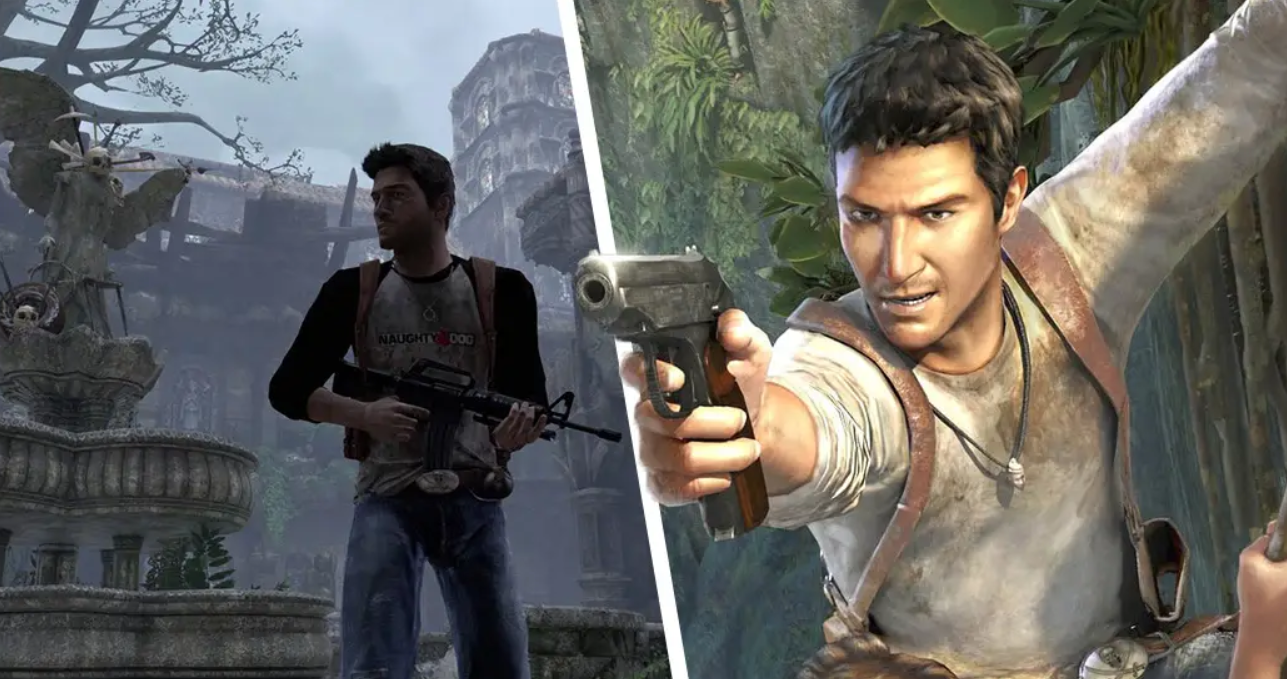
In 2007, $60 for five hours of single-player adventure without multiplayer was a death sentence. The developers of Uncharted: Drake’s Fortune understood this. So they resorted to a trick, which Benson Russell, a designer who worked on the first game and The Last of Us, now explains. In an interview with FRVR, he revealed a mechanism the studio used not for balance, but for slowdown. The dynamic difficulty system, intended as a fair help, turned into a hidden drag in the first Uncharted. Focus tests showed the average time for each firefight. If you beat it faster, the game began to tweak the parameters: enemies became more accurate, ammo ran out, cover collapsed. The better you played, the more you were slowed down. The irony is that this same mechanism worked perfectly in the second and third games, but here it was tailored to a single purpose: to prolong the gameplay. Russell admits: “We simply couldn’t deliver the game in five hours—people would hate us.”
But that was just the tip of the iceberg. The transition to PS3 was difficult for Naughty Dog. Tools were late, the old code didn’t work, and the artists were already drawing levels, even though the gameplay existed only in their heads. By the time the programmers finally finished the combat system, rebuilding the environments was too late—it would have taken months. That’s why many battles were written into existing environments, rather than the other way around. Russell recalls that chaos with the equanimity of a veteran: “We created a vast world, but we had to fill it with lively combat after the fact.” And that’s the only aspect he criticizes today—the lack of a clear direction, the back-and-forth between Gears of War and Tomb Raider. But just look at the end result: despite all the shortcomings, Uncharted: Drake’s Fortune set the tone for the entire series and still surpasses many modern adventures in spirit.
Years later, Russell is proud of this work, but he calmly admits that the game is “raw” and occasionally hampered by its own indecision. However, it was precisely this ambiguity that became its DNA. It’s no surprise that fans still replay it in collections on PS4 and PS5—there, dynamic difficulty no longer penalizes speed, leaving only nostalgia. And the story of how the developers nearly outsmarted themselves remains one of the most delicious behind-the-scenes tales in the gaming industry.
By the way, if the game had been ten hours long back then, we would never have known that dynamic difficulty could be a deceptive tool. Naughty Dog did what they do best—turned limitations into a feature.