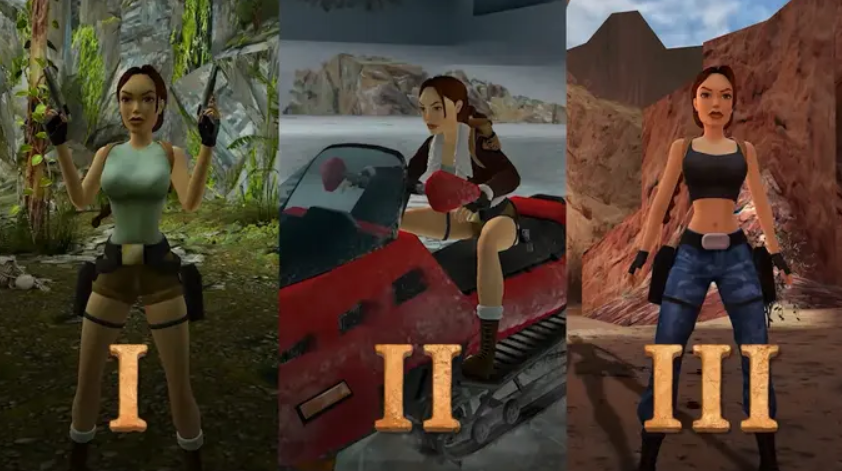
Crystal Dynamics and Flying Wild Hog are developing Tomb Raider: Legacy of Atlantis using Unreal Engine 5, and the developers have officially confirmed their partial use of AI tools to speed up game development. This full-fledged remake of the iconic 1996 Tomb Raider aims to completely reimagine Lara Croft’s first adventure, offering a modern take on the search for Atlantis. The news of the implementation of neural networks has already sparked heated debate among gamers, but the developers assure there’s no need to panic, as all key content is being created by hand.
Table of Contents
How are the developers of Tomb Raider: Legacy of Atlantis using AI?
The introduction of generative technologies in the development of major titles has long been no secret, and the developers of the new Tomb Raider: Legacy of Atlantis have decided to get ahead of the game. It appears the studios are actively optimizing their routine work to meet their deadlines. Here, AI acts solely as a digital apprentice.
Here’s why Flying Wild Hog and Crystal Dynamics are using neural networks:
-
Rapid prototyping of mechanics. Algorithms help sketch out rough designs of locations or test physics before leading specialists take over.
-
Deep analysis of game data. Systems process feedback and statistics, simplifying balance polishing.
-
Management and routine automation. AI takes over sorting tasks and organizing workflows within teams.
What will remain with the creative team at Crystal Dynamics?
Creative control is completely retained by humans—the developers emphasize this with particular leitmotif. The entire storyline, the design of intricate tombs, character development, and complex combat system are being created by seasoned game designers. The signature atmosphere of the 1996 original will definitely not be compromised by soulless generations, as the developers’ goal is to treat Lara Croft’s legacy with the utmost respect. Ultimately, the project promises to be the franchise’s most ambitious expansion in recent years: exploration will be deeper, the combat system more dynamic, and the storylines more complex. The industry is changing right now, and the upcoming action game, powered by Unreal Engine 5, clearly demonstrates how development standards will evolve in the near future.