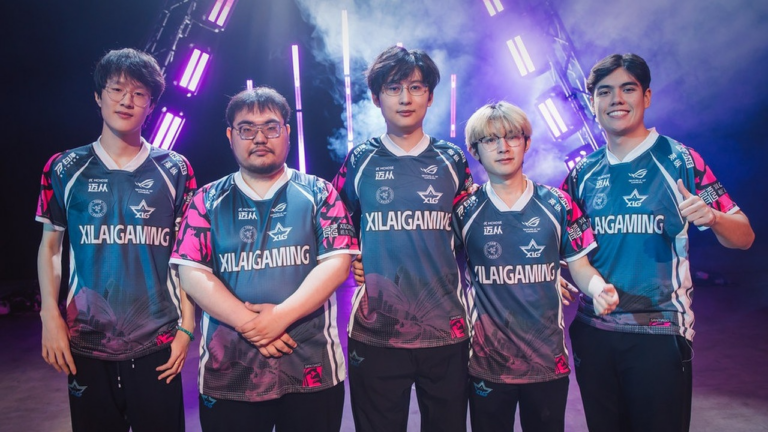
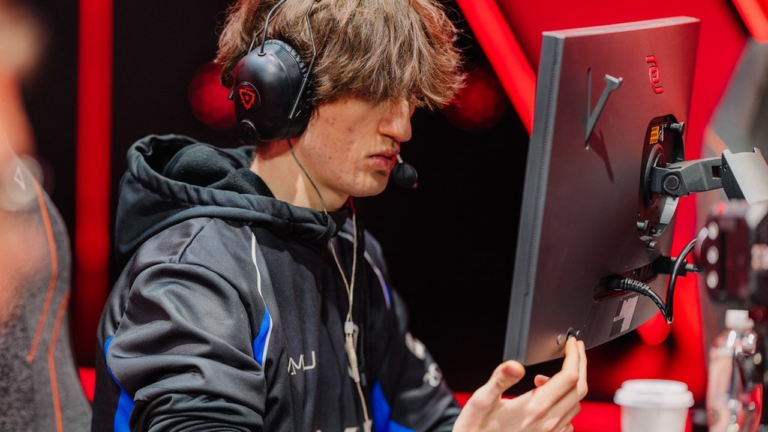
Sharper Esports beat DetonatioN FocusMe by two maps to one in the upper quarterfinals of the VCT Pacific play-ins. Sharper took Ascent by fourteen rounds to twelve in overtime. DetonatioN FocusMe answered on Sunset, but Sharper won the deciding Breeze map by thirteen rounds to ten.
The match contained no easy opening for either side. Even the final map remained close until the last regulation rounds. Sharper‘s ability to finish two tight maps separated the teams after three different tactical tests.
Ascent required one complete overtime cycle
DetonatioN FocusMe selected Ascent and stayed level through regulation. Both teams created strong defensive periods, then found enough attacking rounds to prevent a normal finish. The map moved to overtime at 12-12. Sharper won the next two rounds to close 14-12. They entered bomb locations with clear spacing and avoided leaving the spike carrier alone. The defensive overtime round then used time as an extra resource.
Taking the opponent’s map choice gave Sharper an important advantage. It also showed that the team could make calm decisions after more than twenty rounds of close play.
Sunset kept DetonatioN FocusMe in the series
Sharper chose Sunset, but DetonatioN FocusMe produced the stronger map. Their defenders read the final attack direction more often and kept enough utility for the last thirty seconds. On attack, the Japanese team created openings without depending on one player. Early information helped them avoid crowded sites. Sharper were forced into several difficult retakes.
The 13-9 score levelled the match and removed the value of the first overtime win. Both teams entered Breeze with one successful map and one clear set of corrections to make.
Breeze rewarded Sharper‘s wider spacing
Breeze has long sightlines and large spaces between sites. Sharper used wider positions to collect information and punish rotations.
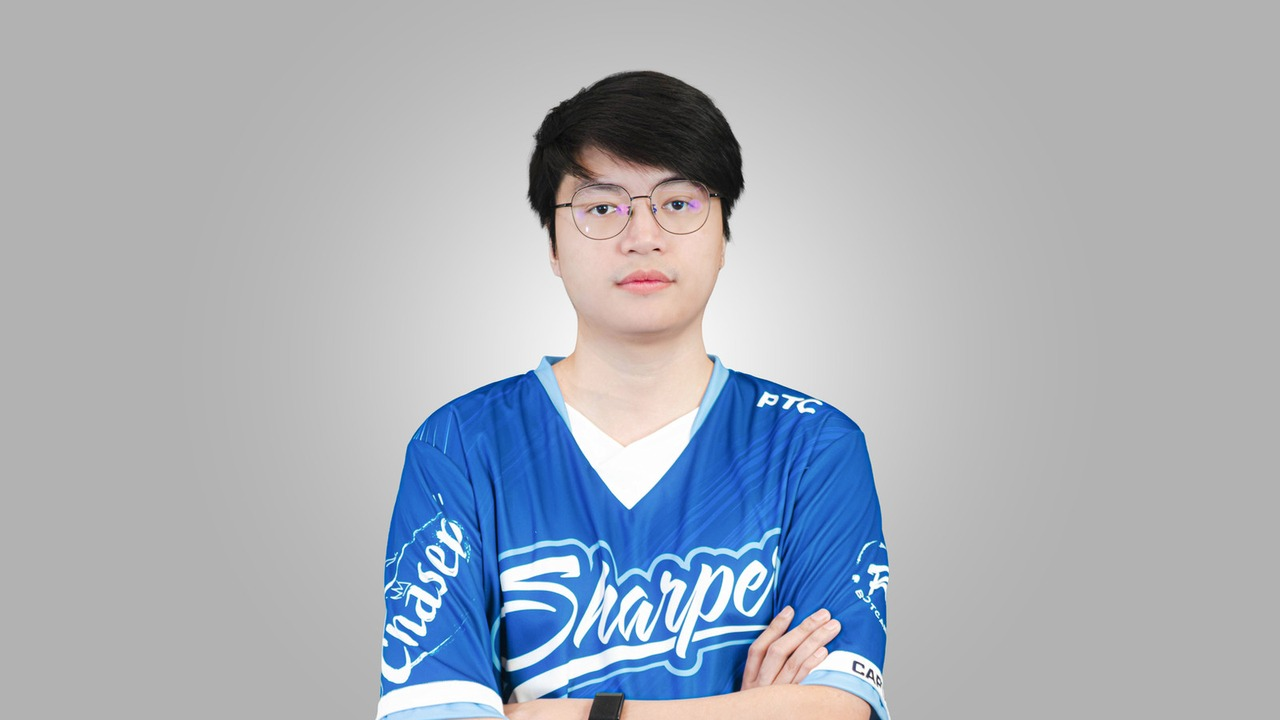
DetonatioN FocusMe could not protect every route with the same group. The deciding map still reached 13-10. Several rounds depended on the first duel and the speed of the trade. Sharper kept enough players close to turn those duels into site control.
The final regulation rounds were handled without a rushed finish. Sharper placed the spike, covered the open lanes and forced DetonatioN FocusMe to approach through known positions.
| Map | DetonatioN FocusMe | Sharper Esports |
|---|---|---|
| Ascent | 12 | 14 |
| Sunset | 13 | 9 |
| Breeze | 10 | 13 |
Three maps tested different parts of each team
Ascent tested both teams during a tense overtime finish. Sunset tested preparation on Sharper‘s own choice. Breeze tested communication across a large map. Sharper did enough in the first and third areas to advance. DetonatioN FocusMe can take confidence from Sunset and the close score on Ascent. Their main loss came in the final execution of tight rounds. Small improvements in trading can change that outcome.
Sharper also have points to review. Losing their map choice shows that prepared ideas were not always converted. The victory does not remove those rounds from the next opponent’s study.
Sharper advance after a complete three-map series
A 2-1 result places more demand on concentration than a short sweep. Players reset after both victory and defeat during the same match. Sharper completed that process before Breeze. The team won two maps by four combined rounds. That narrow margin explains why economy and saved weapons mattered so much. One poor purchase could have changed the series.
Ascent ended 14-12, Sunset went 13-9 to DetonatioN FocusMe, and Breeze finished 13-10. Sharper leave the quarterfinal with a difficult win. DetonatioN FocusMe leave with a competitive performance that was short of two closing rounds.
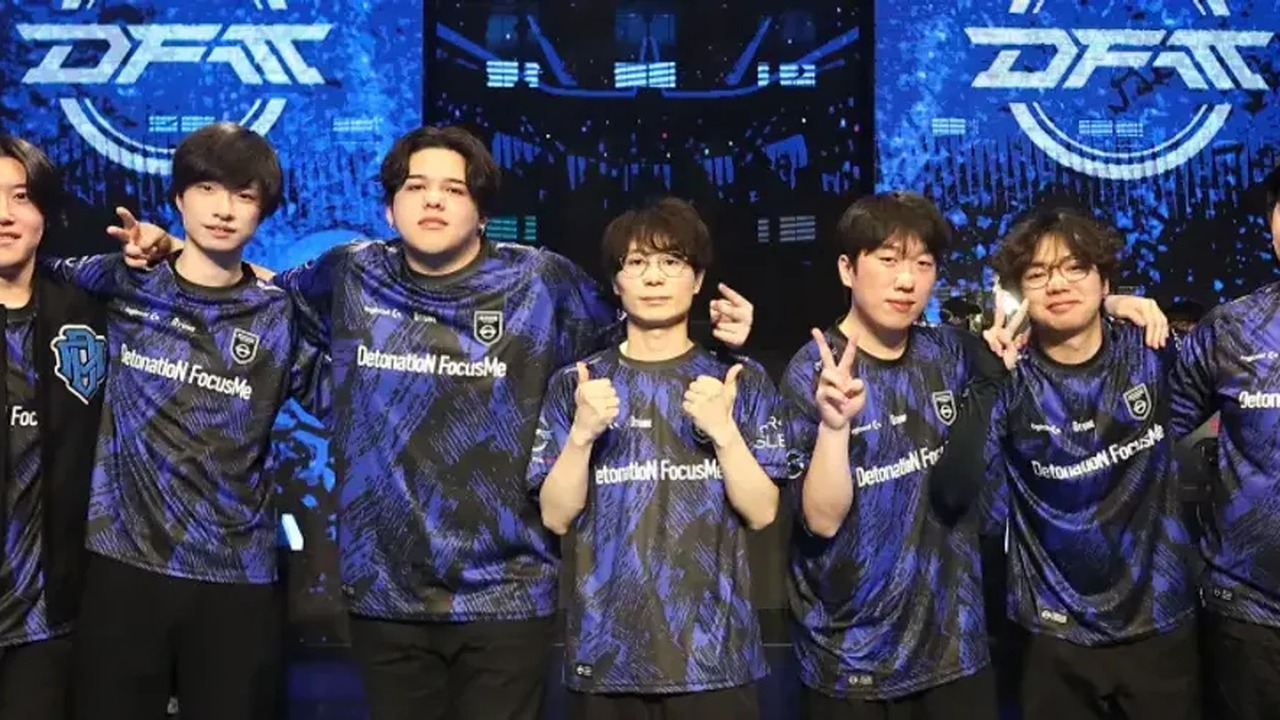
The unused advantages were small but important
Sharper won Ascent and Breeze by a combined five rounds. That margin leaves little room for waste. Saved utility, one trade and one correct rotation can decide the difference across a full series. DetonatioN FocusMe were not far from changing the result. Reaching twelve rounds on Ascent forced overtime. Reaching ten on Breeze kept the deciding map active until the final sequence.
Close scores also make review more precise. Teams can isolate the few rounds that changed economy or side control. The result shows no complete tactical collapse. Sharper advance because they closed both tight maps. That skill is separate from building an early lead. It requires calm communication when every player understands that one mistake may extend the match.
Every map reached a different type of finish
Ascent went to overtime and ended 14-12 for Sharper. Both teams first reached the level score needed to extend play. Sharper then produced the two-round advantage required to complete the map. DetonatioN FocusMe answered 13-9 on Sunset. The margin was clear without becoming one-sided. That result moved the match to Breeze and removed any value from the earlier overtime lead. Sharper secured Breeze by a score of 13-10. The wider map rewards coordinated movement across long sight lines. The closing rounds demanded control of space before either team could commit to a site.
A three-map win also tests communication over a longer period. Players have to keep round information clear after several tactical pauses and side changes. Emotional reactions cannot replace the next call. Sharper advanced by winning two distinct close maps. DFM took a full map and remained within three rounds in the decider, which gives the team precise material for its review.