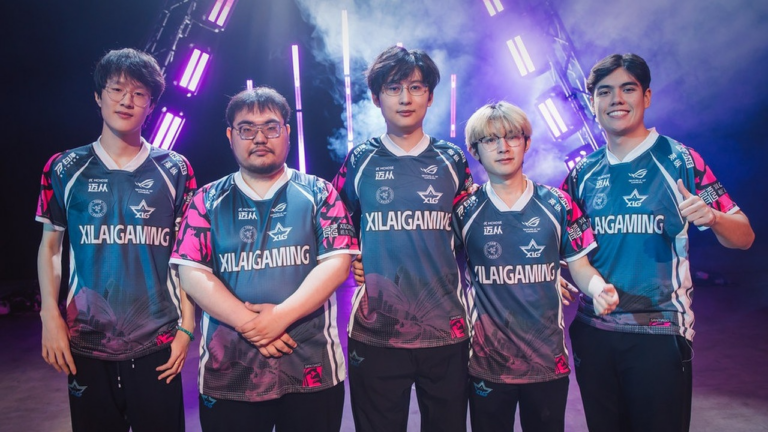
ENVY defeated Sentinels 2-0 in the upper quarterfinals of the VCT Americas Stage 2 play-ins. The opening map on Ascent stayed close before ENVY finished it 13-10. They then controlled Summit from the early rounds and closed the series with a 13-3 score.
The result came from two different kinds of map. Ascent required patience during a long contest, while Summit rewarded ENVY‘s quick control. Sentinels now need a cleaner response in their next bracket match after losing both their own map choice and the second map.
Ascent remained close until the final rounds
Sentinels chose Ascent and found enough early rounds to keep the score balanced. Their attacks created space through the centre before moving toward one bomb location. ENVY answered by delaying the first contact and keeping utility for the finish. The map did not turn on one unusual play. ENVY built the advantage through several complete defensive rounds. They survived the first pressure, waited for the plant attempt and then used crossfires around the planted spike.
At 13-10, the margin reflects a competitive map rather than a collapse. Sentinels reached late-round positions but did not convert enough of them. ENVY protected small advantages and avoided the extra rounds that could have changed momentum.
Summit changed the pace of the series
ENVY selected Summit and played with much greater freedom. Their first duels created immediate room, which reduced the value of Sentinels‘ defensive utility. The score moved quickly because ENVY often entered sites with several players alive. Sentinels struggled to save equipment and rebuild their economy. A lost opening duel sometimes forced the remaining players into difficult retakes. ENVY recognised those weak rounds and kept the pressure high.
The 13-3 finish also showed good discipline from the leading team. ENVY did not chase unnecessary fights after gaining site control. They placed the spike, covered the main routes and made Sentinels spend time before every attempt.

| Map | Sentinels | ENVY |
|---|---|---|
| Ascent | 10 | 13 |
| Summit | 3 | 13 |
The map choices worked in ENVY‘s favour
Winning the opponent’s map choice gives a team more control over a best-of-three series. ENVY removed that pressure on Ascent. Summit then offered prepared routes and comfortable defensive positions. The unused deciding map never became relevant. That saves energy and hides some prepared ideas from later opponents. It also gives the team more review time before the next play-in match.
Sentinels have strategic and mechanical losses to review. Ascent contained several rounds that Sentinels could have won. Summit exposed a broader problem with first contact, trading and economy control.
Play-in matches leave little room for a slow start
The play-in stage separates teams before the main playoff bracket develops. Every series affects the route and the quality of the next opponent. A two-map win therefore carries value beyond the immediate result. ENVY reached the upper path without playing a decider. Their communication stayed stable across a close map and a one-sided map. That range matters because later matches can change direction after one tactical pause.
Sentinels still have a route through the bracket, but the next match arrives quickly. Better spacing between teammates improves the timing of trades. Stronger economy decisions prevent another map from moving beyond reach after only a few lost rounds.
The series gives ENVY a clear performance reference
Teams often review victories as closely as defeats. ENVY can keep the patient defensive work from Ascent and the direct site entries from Summit. They can also identify rounds where Sentinels found openings despite the final result. No single player needed to carry every part of the match. The team won through repeated trades and controlled post-plant positions. That shared work is easier to repeat than a series built only on isolated individual plays.
ENVY leave the quarterfinal with a 2-0 victory and a strong map difference. Sentinels leave with specific problems to solve. The scores, 13-10 and 13-3, explain how the match moved from a close opening to a decisive finish.

Economy control supported the second-map lead
Valorant rounds are connected through credits and saved weapons. A team that protects rifles after a loss can contest the next round properly. ENVY limited the number of weak purchases during the series. Summit became difficult for Sentinels because several losses arrived together. A partial purchase can still win, but it offers fewer abilities and weaker weapons. ENVY avoided giving those rounds an easy opening duel.
The leading team also saved when a retake no longer offered enough value. Keeping equipment may look passive, yet it strengthens the next defence. The decision depends on time, player count and weapons already carried. This discipline helped ENVY turn a good start into a 13-3 finish. Mechanical skill decided several important individual fights for ENVY. Economy choices ensured that the team entered later rounds with the tools needed to repeat them.
The two score lines describe different kinds of control
Ascent ended 13-10, so three rounds separated the teams. That margin kept each economy decision important near the end. One lost full-buy round could still have changed the pressure on the following purchase. Summit ended 13-3 and gave ENVY a much larger margin. Early advantages were converted before Sentinels could build a stable sequence. The shorter map also reduced the number of chances for a late tactical recovery. A side change divides every standard map into two halves. Every map therefore tests plans for attack and defence. ENVY kept enough control after both changes to close the series without a third map.
The result belongs to one play-in series rather than a general ranking of the teams. Sentinels still have their wider season record. ENVY earned the immediate advantage by handling the maps played on the day. Review work will separate repeatable choices from isolated rounds. Trading, utility timing and purchase decisions provide clearer evidence than a broad claim about confidence.