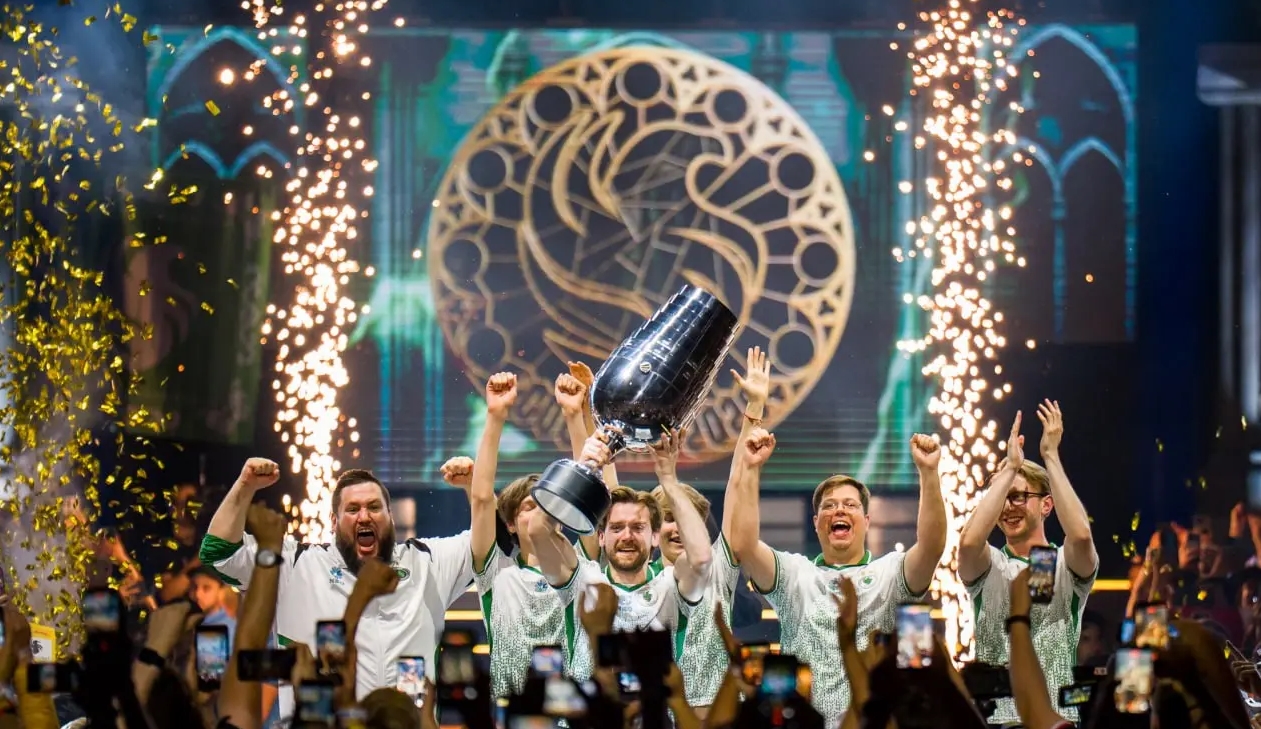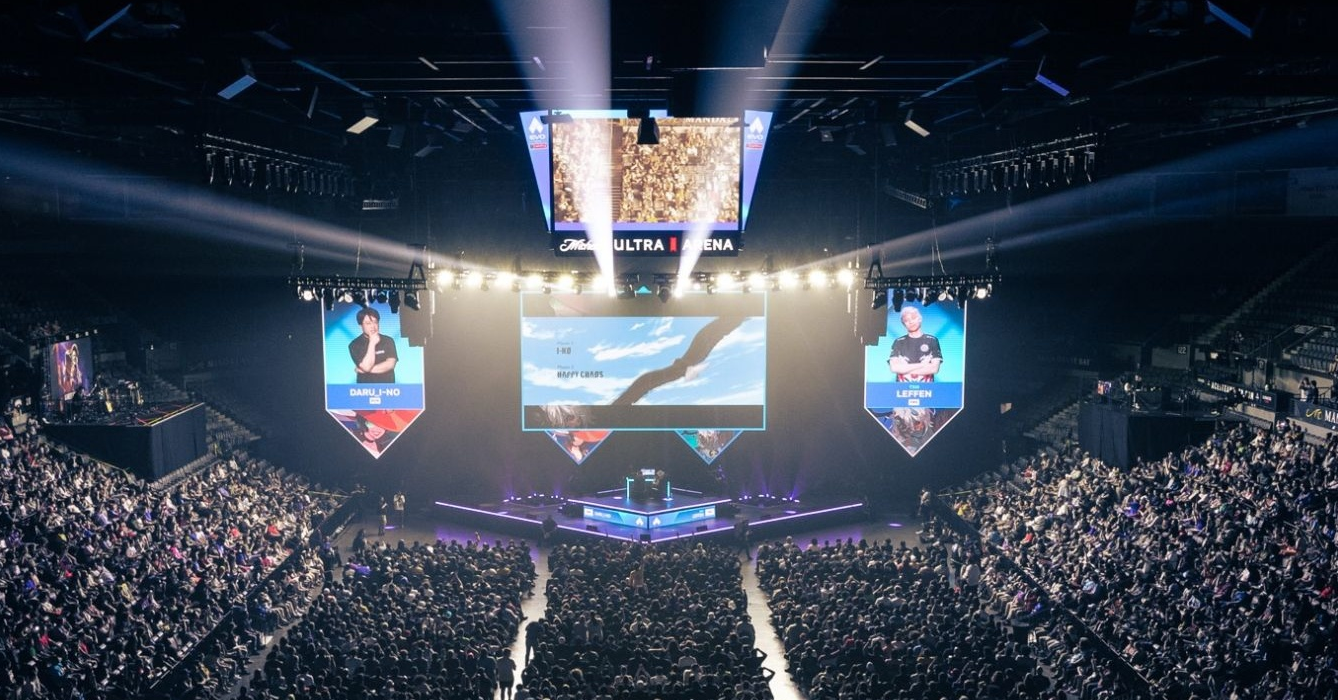
Many saw Evo’s expansion under the wing of Saudi RTS as the beginning of the end. At first, I was in the skeptical camp myself — it seemed that endless tournaments would destroy the prestige of the iconic event in Las Vegas. Arslan Ash expressed similar concerns. But if you put aside emotions and look at the dry numbers, the picture is much more complicated. We don’t need to “save” the industry. She needs to be allowed to breathe.
Table of Contents
Stagnation of League of Legends and Dota 2 in numbers
Talking about the “death” of esports is analysts’ favorite pastime, but the reality is more prosaic: we have reached a plateau. Take a look at the League of Legends Mid-Season Invitational figures: in 2023, the peak was 2.3 million viewers, in 2024 – 4.8 million, and in 2025, the figure fell back to 3.44 million. There is no sane growth dynamics here. The most popular discipline in the world easily froze in place. (Yes, it hurts to admit it).
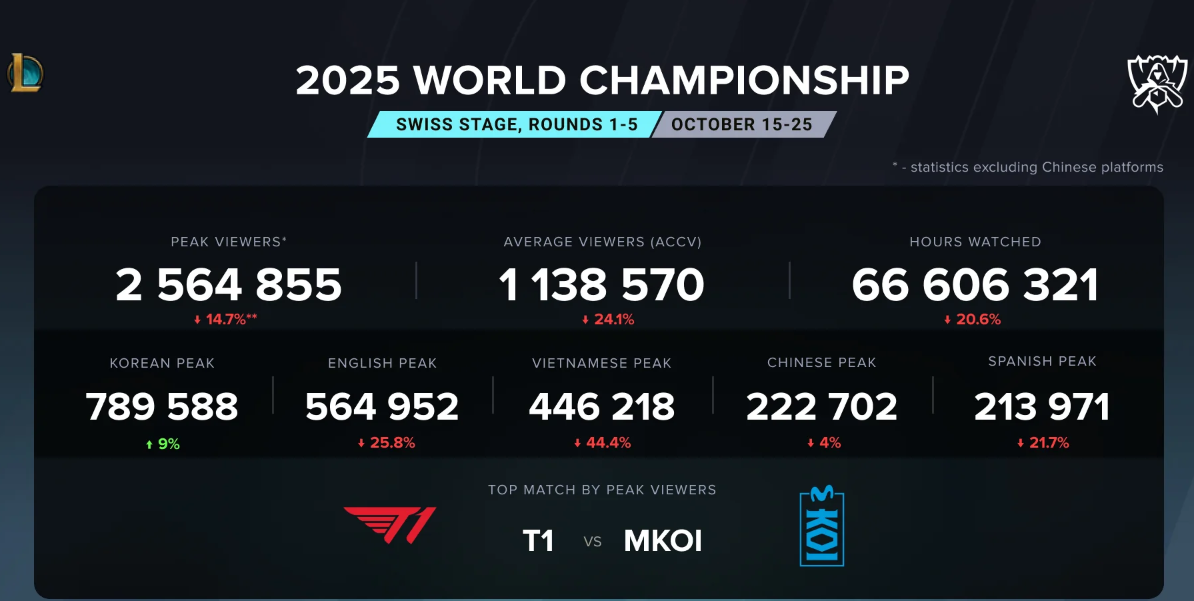
The situation is similar with The International in Dota 2:
-
2023: 1.44 million viewers at peak;
-
2024: a small leap to 1.51 million;
-
2025: about 1.79 million
The industry is not dying — it exists. Fans with experience don’t go anywhere, but fresh blood is reluctant to pour into the ecosystem. Esports has remained a niche entertainment. Most people still confuse a professional player with a Kick streamer or a teenage neighbor from Fortnite. And, to be honest, that’s okay. It is unlikely that we will ever see a parade in honor of the champions of Street Fighter 6 on central TV channels. Thank God.
Why are Esports fans losing interest in matches?
The real trouble is buried deeper — inside the society itself. Previously, social media feeds were bursting with memes, there were wars on Reddit for the title of the best player of all time, and the rivalry of the teams was felt physically. Now it all seems stretched and plastic. Broadcasts have become sterile, drama has become formulaic, and news writers sometimes have to suck information feeds out of their fingers.
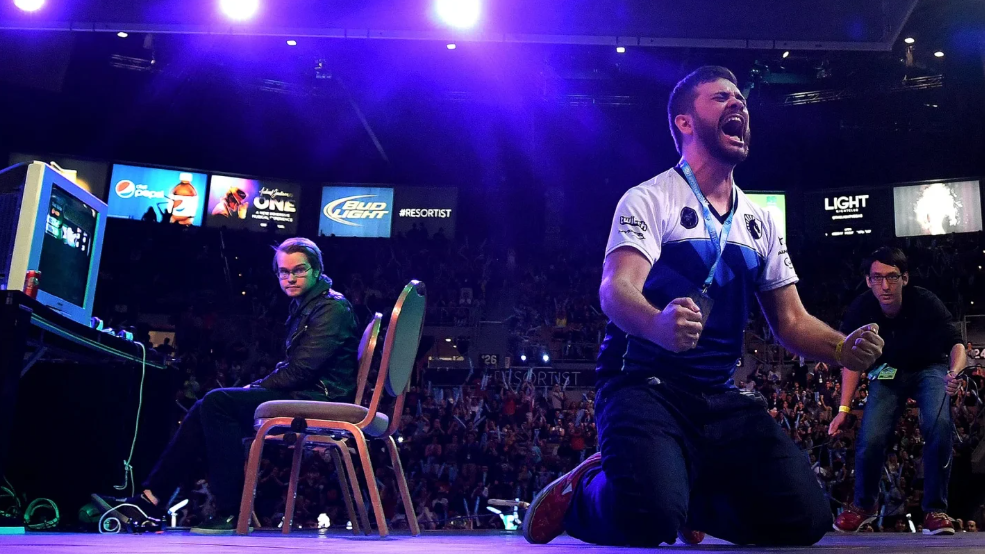
There is an opinion that salvation will come from mobile gaming — in South Asia, mobile esports has already become a religion. But will it be possible to pull this off in Europe or North America? Doubtful. It seems that the real key to the survival and preservation of that spark is worth looking for in the fighting game community (FGC). Where personal history and the local community still matter more than the dry reports of investors.
How FGC’s Enthusiasm Can Revitalize Counter-Strike 2
I’ll risk repeating myself, but the foundation of the fighting game community (FGC) is pure, grassroots enthusiasm. There are no multimillion-dollar contracts here. I’ve lost a couple thousand dollars, and it’s already a celebration. Global fame? Forget it. The townsfolk don’t even know about the existence of this party. But cybersportsmen have been plowing for ten hours a day for years. They fly to tournaments, getting into debt. This is pure obsession. And it is precisely this primal drive that the sleek industry is desperately lacking right now.
Big-time esports is too keen on copying big-time sports. Franchise leagues, strict seasons, slick broadcasts. It sounds solid, but in reality it turns out to be a continuous corporate stuffiness and stagnation. Everything is different in FGC: it’s ruled by chaos, local memes, harsh bitches and primordial gaming lawlessness. Yes, the audience is more modest. But the dedication to games is absolute. League of Legends and Counter-Strike 2 have hundreds of times more viewers. But where is that spark? How to bring back the excitement in disciplines that have long turned into an office routine?
The answer lies on the surface: the industry urgently needs more Evo events. A tournament in the sense of a real bruising festival. Dozens of people gather at a major exhibition center. People are sparring, watching broadcasts from dozens of screens and getting high. Normally, fighting games are often held on the rights of poor relatives (compared to MOBA or shooters), but here they are literally carried on their hands.
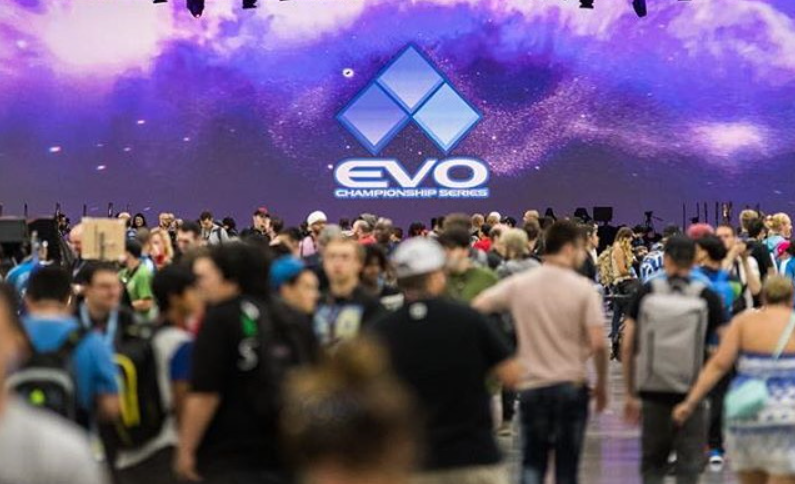
Each game has its own vibe and its own geeks (sometimes with a specific smell, I’m sorry). But the magic of Evo blurs boundaries. Did you come to drown for your own people in Tekken 8? You’re going to get stuck on the rinks of Guilty Gear -Drive anyway. And then you’re going to rip off the voice for the new Fatal Fury: City of the Wolves trailers. A powerful sense of unity is formed. By the way, this has already happened in the mainstream. Think back to the golden era of Major League Gaming (MLG). When Call of Duty and Halo were playing under the same roof, it wasn’t just a dry tournament. It was a large-scale gathering of shooter fans, where everyone felt like a part of something truly great.
The revival of esports through a return to the roots
It’s time to stop this endless theatrics. The desperate attempts of esports organizers to please the general public — through streamer showmatches and pretentious productions — look at least ridiculous. Where is the spirit when people dragged the systems to LAN parties or broke through school firewalls for the sake of a skating rink in StarCraft? Previously, esports was a haven for “nerds” who found their own through the game. Today— there are smoke machines, rap music on the way out, and endless shows between rounds. We’re trying to appear cool, successful, and mainstream, although in fact… Well, we’re just ordinary geeks. And there’s nothing shameful about that. Why not give up on this tinsel and return to what really catches on: talent and extreme perseverance?
Supernova tournament as an example of working with the community
Supernova Event Organizers for Super Smash Bros. Fans We got the gist of it. This year they are expanding the site twice, but not for the sake of attracting casual onlookers. Instead of flirting with the masses, they are “screwing in” what the players already love. Supernova is not about coverage, but about communities. Everything is there.:
-
Hardcore tournaments;
-
Retro arcade games for old school fans;
-
Smash 64 Combo Contests;
-
Smashies ceremony.
This is a perfect example of how to bring together even those groups that usually don’t get along with each other under one roof. If the organizers of BLAST, ESL or PGL stop chasing the “mass audience” and focus on the base, the hype will return. Neither cryptosponsors nor burrito ads have brought real growth to the industry — the numbers stand still. It’s time to stop selling esports to those who aren’t interested in it, and finally give a dose of drive to those who are really “into the topic.”