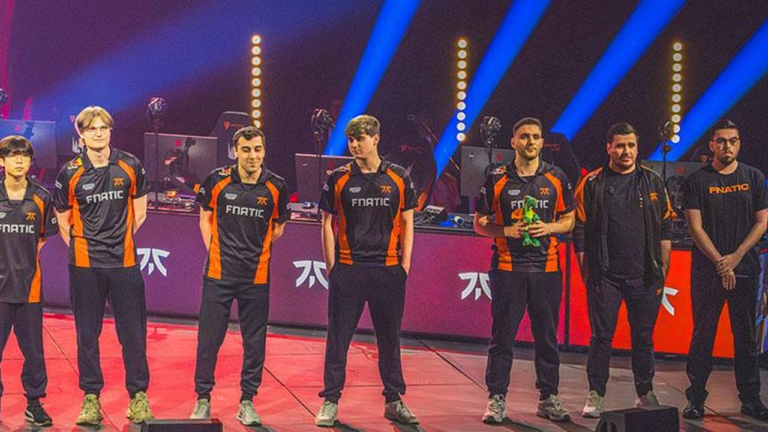

SK Gaming face Natus Vincere in LEC Summer week three

SK Gaming meet Natus Vincere in the third week of LEC Summer. The series uses patch 16.15 and requires two game wins from either team.
Both teams enter after facing different opponents during the opening weeks. Their match adds another direct result to a compact summer schedule.
Both teams select new champions before game one
SK and NAVI first decide bans and champion priorities. Patch 16.15 shapes the available choices, but each team still brings its own player strengths. Early picks may reveal a flexible role rather than a fixed lane. That uncertainty lets a team delay one matchup until later in the draft.
The completed lineup needs clear damage, protection and ways to begin or leave a fight. Too much attention on one strength may expose another area. The draft ends before players enter the map. Execution then decides whether the planned lane and objective advantages actually appear.
Early pressure affects the first dragon and Rift Herald
The opening minutes establish which players move first toward the river. A pushed lane gives its team more freedom to help the jungler. That movement influences early dragons and the Rift Herald. Teams also watch the opposing support because one hidden rotation may change a two-player lane.
SK and NAVI need reliable communication when several players leave vision. A missing opponent may be returning to base or preparing an attack elsewhere. Wards reduce uncertainty but do not cover every path. Players combine visible information with the timing of minion waves and recent recalls.
A long game changes the value of every mistake
Champion items become stronger as gold accumulates. Later team fights therefore contain more damage and longer periods before defeated players return. Baron Nashor can open the base when normal lane pressure stops working. The defending team tries to clear enhanced minions without exposing its carries.
Elder Dragon creates another decisive condition. Teams may contest it even from a weaker position because the benefit changes the next fight. A late mistake can end the game before another objective appears. Positioning around the base becomes as important as the earlier lane result.
The losing team receives another chance
A best-of-three does not end after game one. The losing side returns to the draft and may also receive a different side of the map. Coaches use the short break to identify the largest problem. A focused change is easier to apply than several new ideas introduced at once.
Players also reset their communication after a difficult finish. The scoreboard returns to zero for champion kills, towers and gold in the next game. The team leading 1-0 still needs another complete win. One strong opening performance does not automatically decide the series.
The series record shapes the playoff race
LEC Summer uses series records to separate teams during the stage. Game difference provides another comparison when overall records remain close. SK and NAVI therefore compete for both the match and every individual game. A three-game win carries a different margin from a 2-0 result.
The schedule gives limited time before the next opponent. Review work begins quickly because another draft may require completely different priorities. This meeting supplies direct evidence about both teams on patch 16.15. The final games will show which lineup managed the series more consistently.
Both teams play under the Patch 16.15 rules
Both teams have already played official games on the current patch. Their analysts can compare champion performance with results from the wider LEC field. A popular champion may still be unsuitable for one roster. Player comfort and the planned lane combination affect whether a high-priority choice creates value.

Bans also reveal which threats each staff respects most. Removing a champion may protect several lanes rather than target only one opposing player. The first game provides immediate new information. The second draft then reflects what worked on stage instead of relying only on practice data.
A third game brings another champion selection phase
A full series may use fifteen champion selections per team before counting bans. Rules limiting repeated choices can make later drafts more demanding. Coaches prepare several lane combinations because one preferred option may disappear. Players also practise different ways to begin fights and protect their main damage.
A two-game finish rewards the team that adapts immediately. A deciding game gives both sides another opportunity but also removes more familiar choices. SK and NAVI enter with the same format and patch. The difference comes from how accurately they draft, communicate and convert advantages across the completed games.
Early lanes reveal each team’s initial plan
Early lane results show whether the draft performs as expected. A player may hold a difficult matchup through careful farming even without gaining a lead. Jungle routes reveal which side receives the first support. Wards and visible camps help teams estimate where the next pressure may arrive.
Bottom-lane movement affects the first dragon, while top pressure can support the Rift Herald. Neither objective is free when the opposing lanes move first. These opening choices build the map used later in the game. SK and NAVI begin from equal resources before their decisions create the first difference.