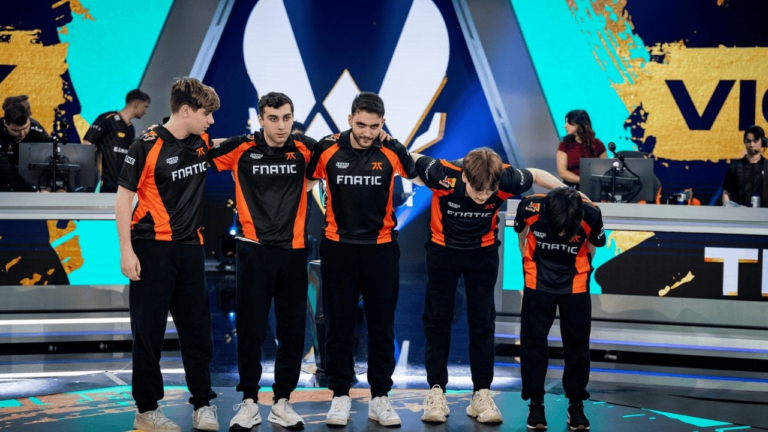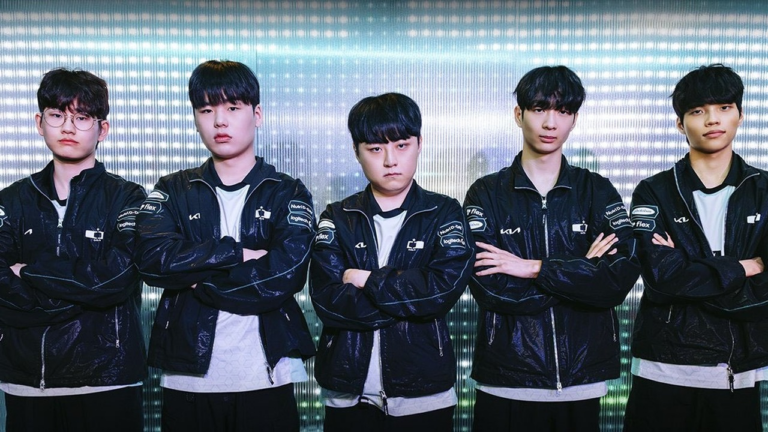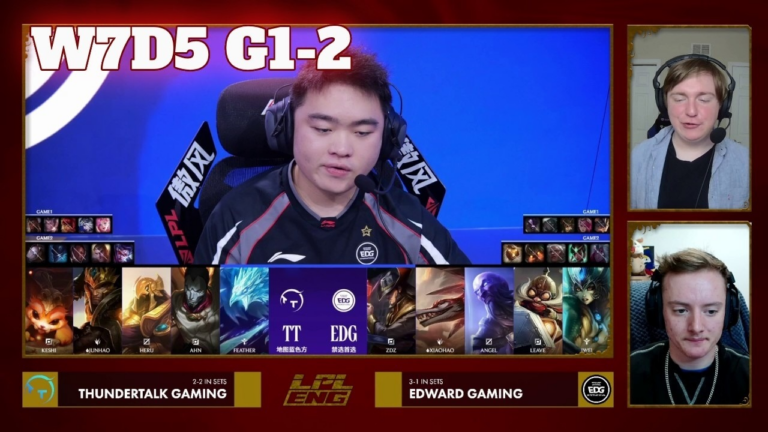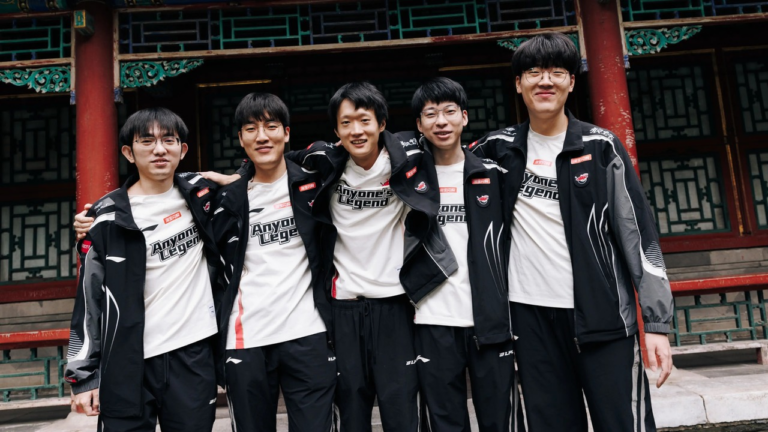

LGD defeated WE 2-1 and secured a top-six place

LGD beat WE 2-1 in Saturday’s LPL Ascend Group match. WE took the first game in 31 minutes, but LGD answered with victories in 32 and 25 minutes.
The result secured a top-six place in the group for LGD. Tangyuan was a key player in LGD’s recovery and received recognition for his performance in the second game.
WE won the first game
WE won the opening game despite LGD finding many eliminations. About’s Yunara remained a strong source of damage and finished with eight eliminations and only two deaths. WE also collected more major neutral targets. That control gave the team a reliable route from a close middle game to the enemy base.
LGD created several fights but did not turn enough of them into lasting map pressure. The first result placed them one game away from defeat.
Tangyuan had more space in the second game
Tangyuan played Locke in the second game and finished with eleven eliminations and one death. His damage helped LGD win the main fights and take control of the map. Heng supported that plan with Naafiri. He finished without a death and helped LGD reach the back line when WE tried to protect its carries.
LGD ended the game in 32 minutes with twenty eliminations against seven. The strong response removed the effect of the opening loss and forced a deciding game.
The final game ended in only 25 minutes
LGD carried its momentum into the third game. The team gained control early and did not give WE enough time to restore the lanes. Burdol’s Olaf and Heng’s Wukong gave LGD a clear way to enter fights. The other players followed the same timing, which prevented WE from separating the first attacker from the rest of the team.
LGD completed the deciding game in 25 minutes. It was the shortest game of the match and the strongest sign that the adjustments had worked.
LGD recovered through simple changes
LGD did not need to change every champion or every lane assignment. The team improved the first movement toward neutral targets and helped Tangyuan deal damage from safer positions. WE lost control after the first game because the outer areas of the map became harder to control. LGD reached important areas earlier and forced WE to enter without enough information about LGD’s positions.
The difference was most visible in the final game. LGD played with one shared timing, while WE reacted after the main action had already started.
LGD secured a top-six finish
The victory gave LGD more than one match win. It confirmed that the team will finish inside the top six of the Ascend Group. WE showed that it could win a close opening game, but the next task is to maintain the same control after an opponent changes its approach.
LGD earned the 2-1 result through a clear recovery. The second game restored confidence, and the quick third game completed the work without another large change of direction.
Tangyuan became the centre of LGD’s second-game attack
LGD created space for Tangyuan before asking him to deal damage. The front line entered first, and the other carries forced WE to watch more than one direction. His eleven eliminations showed how well the plan worked, but the single death was just as important.
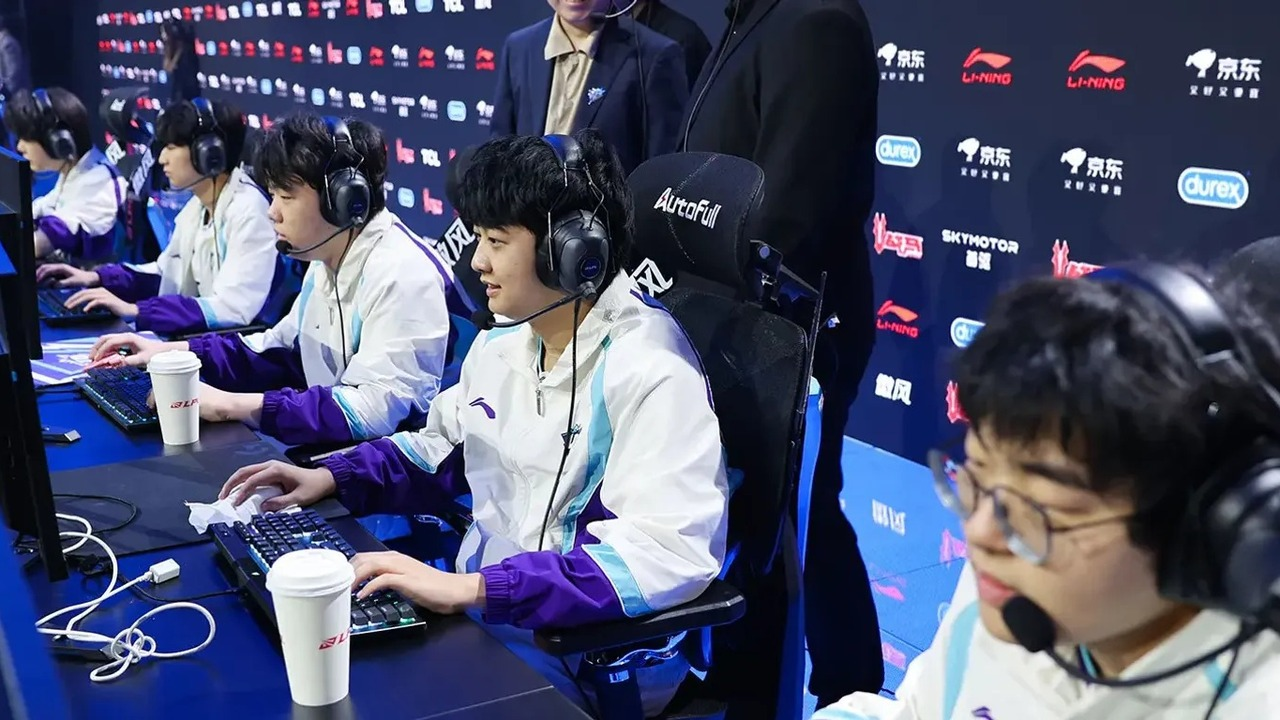
Staying alive allowed him to continue each fight after the first abilities had been used.
WE needed a faster route toward him or stronger control of the players protecting him. Without that answer, LGD could repeat the same approach around several objectives.
LGD can now prepare for the next stage
Securing a top-six position removes one immediate question for LGD. The team can now prepare for the next stage with confirmed progress from the group. That does not make the remaining review less important. The first-game defeat showed that LGD can lose control when an opponent converts neutral targets more efficiently.
WE still gained useful evidence from the series. The opening game proved that its main plan can work. The next step is to keep that structure when the opponent changes champions and increases the pace.
The quick third game reduced LGD’s risk
LGD ended game three before WE could complete a slower scaling plan. The quick finish limited the number of late fights in which one mistake could remove the earlier advantage. Outer-area pressure helped create that finish. WE had to answer incoming minion waves while LGD moved first toward the next objective and selected the stronger position.
The 25-minute duration was therefore more than a statistic. It showed that LGD understood when to move from control of the map to a direct attempt on the base.