
KT Rolster and T1 prepare for an LCK match
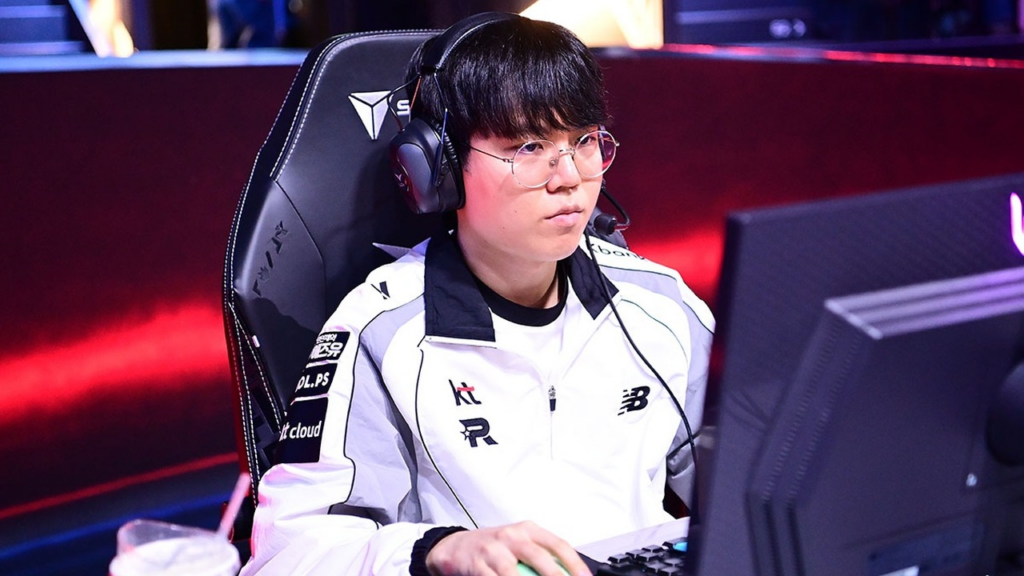
KT Rolster and T1 meet on Friday in the LCK Legend Group. The best-of-three match follows a busy period for both teams. Each side needs to win two games.
The matchup brings together teams that know each other’s habits well. Draft choices will matter, but execution around early objectives should provide the clearest difference. A strong composition still needs safe lane control and coordinated movement.
The opening draft can define the first game
Both teams must decide which comfort picks deserve an early ban. Removing too many familiar champions can leave a stronger general option available. Coaches need a plan that works across several draft orders. Flex picks can hide the final lane assignment. That makes preparation harder for the opponent and protects a preferred matchup. The value disappears if the champion is weaker in the team composition that finally appears.
The first game also reveals priorities for the rest of the match. A successful engage pattern may force a new ban. A weak early lane can lead to a different first rotation in game two.
Jungle information should guide the early minutes
KT and T1 can reduce risk by tracking the opposing jungler through camps, wards and lane timing. A missing jungler does not always mean an attack is coming. The correct response depends on which camps remain available and which lane has pressure. The first neutral objectives create decisions about lane resources. A team may trade one objective for tower damage or extra farm on the other side. That trade is useful only when players communicate before the move begins.
Forced action without lane control can create a poor fight.
The team arriving first may still be trapped if its minion waves are moving in the wrong direction. KT and T1 need to connect neutral-objective timing with the position of each minion wave.
| Game phase | Main question |
|---|---|
| Champion selection | Which champions from each team’s usual pool remain available? |
| Early game | Which players can leave their positions first? |
| Mid game | Who controls safe vision routes? |
| Late game | Which team protects its main damage source? |
Information from wards helps teams make better decisions
After outer towers fall, the map becomes harder to read. Supports and junglers must place vision without walking alone into dark areas. A teammate should be close enough to answer an attack. T1 often look for fast changes in tempo after gaining information. KT can answer by keeping important cooldowns and avoiding narrow paths. The goal is to enter the next objective area with options rather than arrive after control is lost.
Sweeper use is just as important as ward placement. Removing one ward can hide a rotation or create doubt. That uncertainty may force an opponent to give up farm while checking the map.
The match rewards clear decisions more than reputation
A well-known rivalry adds attention, but the game still follows ordinary competitive rules. Players must manage waves, cooldowns and objective timers. Past meetings cannot correct a poor current decision. If the match reaches a third game, adaptation becomes central. Each side will have evidence about lane matchups and team fights. Coaches must decide whether to repeat a working idea or change before the opponent answers it.
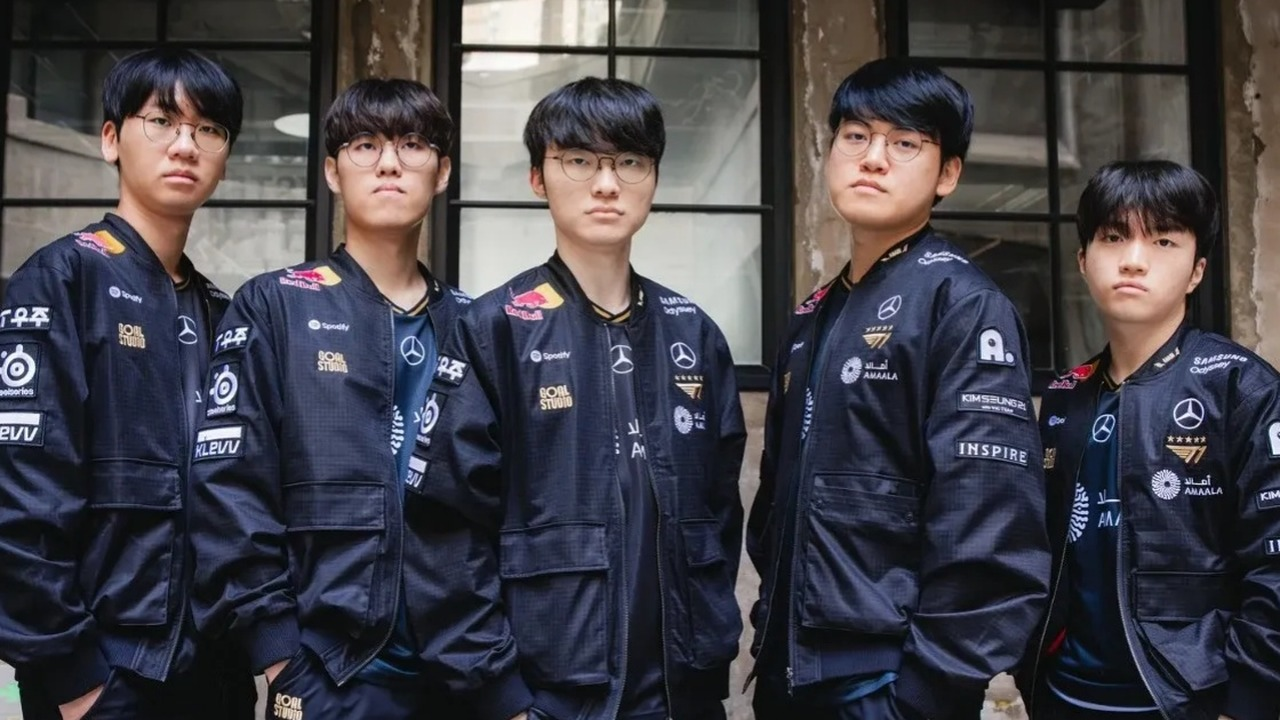
The winner will add an important Legend Group result. More importantly, the match will show which team can turn small information advantages into controlled objectives without taking unnecessary fights.
Champion choices shape the plan for the first neutral monster
KT and T1 both have players who can use several champion styles. That flexibility makes the early draft difficult to read. A selection that appears intended for one lane can move elsewhere, forcing the opponent to reveal more of its plan before the final choices. The opening minutes should focus on lane priority rather than a large fight. A team that moves first can place vision near the river, protect its jungler and begin an objective with better information. A small wave advantage can therefore influence decisions on the other side of the map.
T1 often look strongest when several players act on the same timing. KT need to interrupt that rhythm by tracking recalls and identifying moments when one opponent is late. Starting a fight without that information would allow T1 to respond with their preferred formation. The series may change after the first game. Coaches can remove a successful champion, alter the jungle route or give a carry a safer lane. The better adaptation will be the one that solves the previous problem without creating a new weakness elsewhere.