
Bilibili Gaming meet EDward Gaming in LPL week three
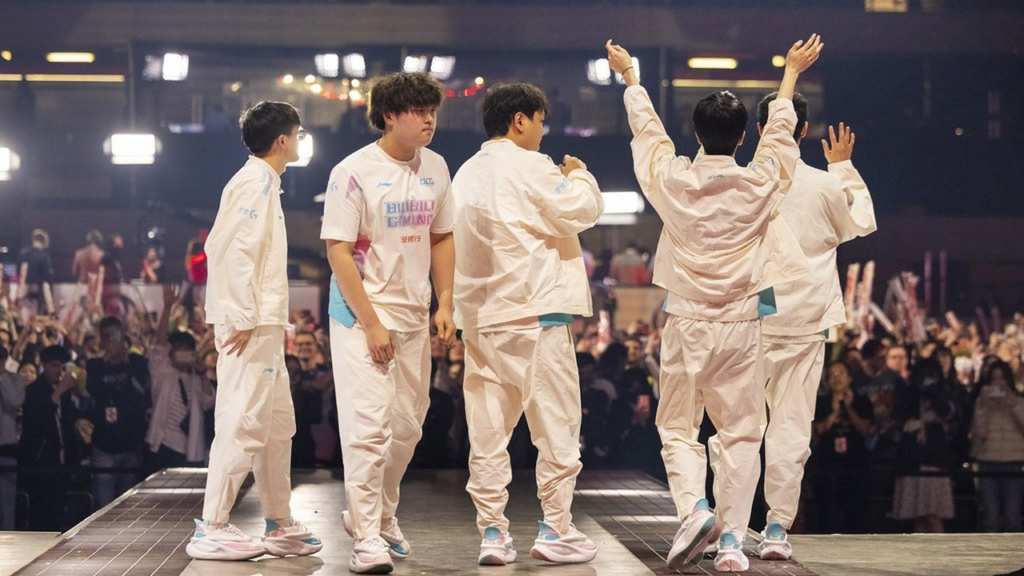
Bilibili Gaming face EDward Gaming during the third week of LPL Split 3. The match uses a best-of-three format and the same patch as the other games in this stage.
The teams already met in the first week. Bilibili won that earlier series 2-1 after EDward Gaming took one game.
The first meeting required all three games
EDward Gaming showed in July that it could win a draft against Bilibili. The series still ended with Bilibili taking the two games required for victory. A rematch does not carry the earlier score into the new lobby. Both teams begin again with fresh bans, champion choices and side selections.
The earlier match provides useful public evidence about preferences. It does not reveal every plan because the patch and recent opponents influence preparation. Bilibili enter with the stronger head-to-head result. EDward Gaming receive a direct chance to change that record during the same split.
Recent matches give both coaching teams new material
Bilibili played several strong Chinese teams before the rematch. Those series tested different lane matchups and created more examples from patch 16.14. EDward Gaming also completed a busy opening schedule. The coaching staff can compare its losses with the one game already won against Bilibili.
Match review focuses on repeatable decisions rather than one isolated fight. Vision timing, lane pressure and objective setup appear across many games. Both teams know the opponent has seen the same footage. Successful preparation therefore includes familiar strengths and possible changes around them.
A team can recover after losing the first game
Two game wins decide the series. A team losing the opener still receives another draft and another chance to level the match. Side selection affects the order of champion choices. It also changes which team receives the final response during different stages of the draft.
The selected plan then faces its first test in lane. A favourable champion matchup has limited value when early movement gives away objectives. Between games, coaches identify a small number of useful changes. The break is too short for a complete rebuild of every approach.
Early map control creates chances at dragon and Rift Herald
Dragons create long-term benefits, while the Rift Herald helps teams attack towers. Baron Nashor becomes a major source of lane pressure later in the game. Reaching these areas first allows a team to place vision and choose its formation. Arriving second creates risk because opponents may wait outside normal paths.
Bilibili and EDward Gaming both have players with extensive LPL experience. Their decisions around objectives often begin before the monster appears. Lane waves determine which team moves first. A well-timed push forces one opponent to choose between farm and an immediate group fight.
The winner improves its Week 3 position
LPL Split 3 contains repeated series across several weeks. Every win affects the group position before the competition moves toward its later phase. A 2-0 result helps game difference more than a 2-1 win. The main priority remains the series because that column shapes the standings first.
Bilibili seek another victory over the same opponent. EDward Gaming aim to turn their earlier single game into a complete series result. The match provides a current comparison on the same patch. Its final score will replace speculation with two or three completed games.
The first series showed several preferred champions
Bilibili won the July meeting after three games. EDward Gaming’s single victory showed that the matchup was not decided by name or table position alone. Since then, both teams have revealed more choices on patch 16.14. Opponents now have a larger sample of first picks, bans and role priorities.
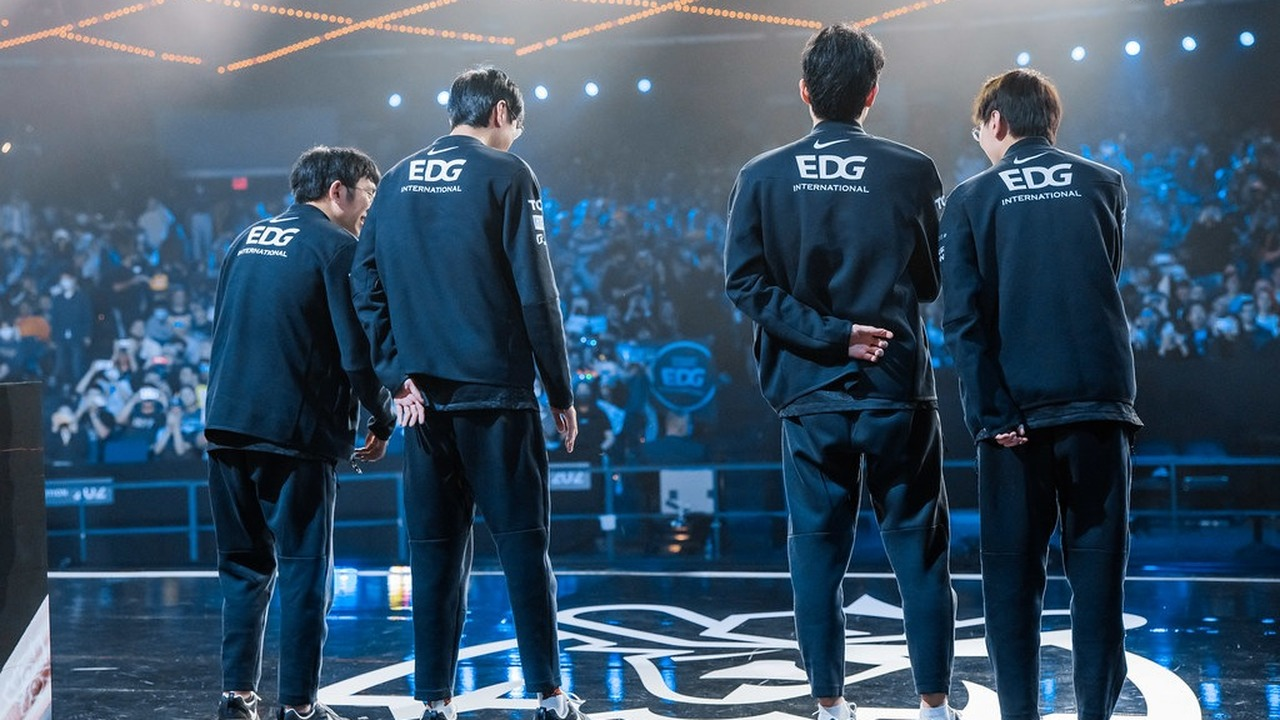
Repeating the same champion selections carries risk because the opposing staff has already studied them. Changing everything also removes combinations tested in practice. The useful balance lies between familiar execution and one or two prepared changes. The opening draft will show which champions remain most important.
Both teams can change their champion selections in the rematch
Players remember the turning points from the first series. The new match still begins with empty inventories, equal structures and no objective advantage. EDward Gaming can examine the game it won and identify decisions that remained repeatable. The two defeats show where Bilibili found stronger map pressure.
Bilibili can use the earlier result without assuming the same sequence. A different first-game draft may change every lane and objective timing. The best evidence arrives through completed games. The rematch will establish whether the July gap remained or whether EDward Gaming closed it.
Each game matters when teams share the same series record
A series victory remains the main target, but individual games also affect the wider record. That detail becomes important when teams finish with equal series totals. Bilibili gained a positive game difference from the first meeting. EDward Gaming limited that gain by taking the series to a third draft.
The rematch creates another two or three entries in the game record. A quick win changes the comparison more strongly than another close three-game result. Players still focus on the current map rather than calculations. The standings only receive the numbers after every base has been defended or destroyed.