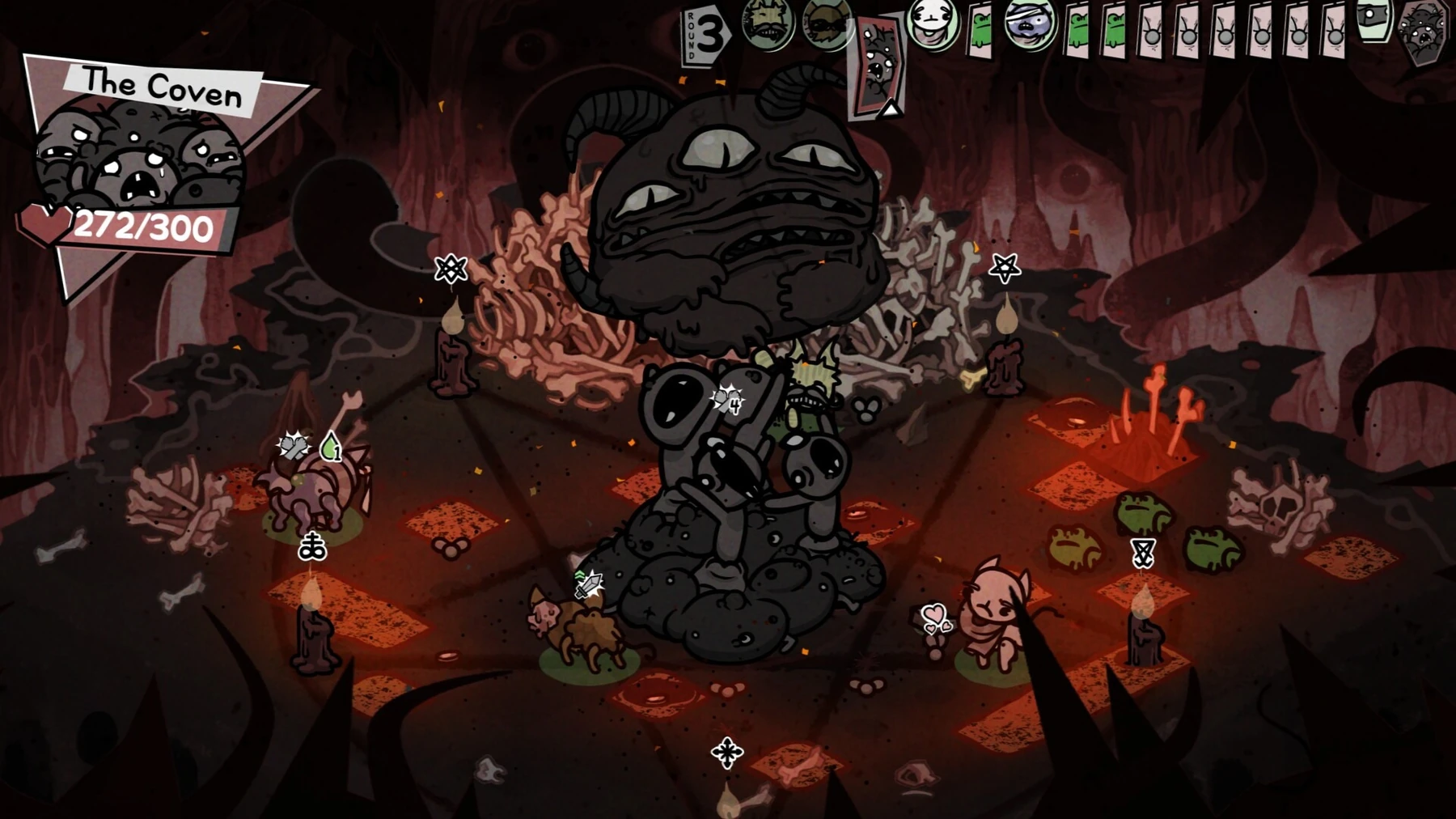
Mewgenics is preparing its Xbox Series release with a strategy loop built around a growing household of cats. Players choose a squad, assign class collars, combine inherited traits and enter turn-based expeditions for food, money and equipment. A failed adventure can remove experienced fighters, but the family line continues and changes the choices available on later journeys.
Table of Contents
The household is the long-term campaign
An expedition begins with four fighters, but the important decisions start at home. Each cat belongs to a family line with strengths, weaknesses and relationships that can affect future teams. Keeping several useful candidates matters because one perfect squad cannot solve every map. The household therefore works as a changing roster rather than a menu that stores identical replacements.
Class collars create readable battlefield jobs
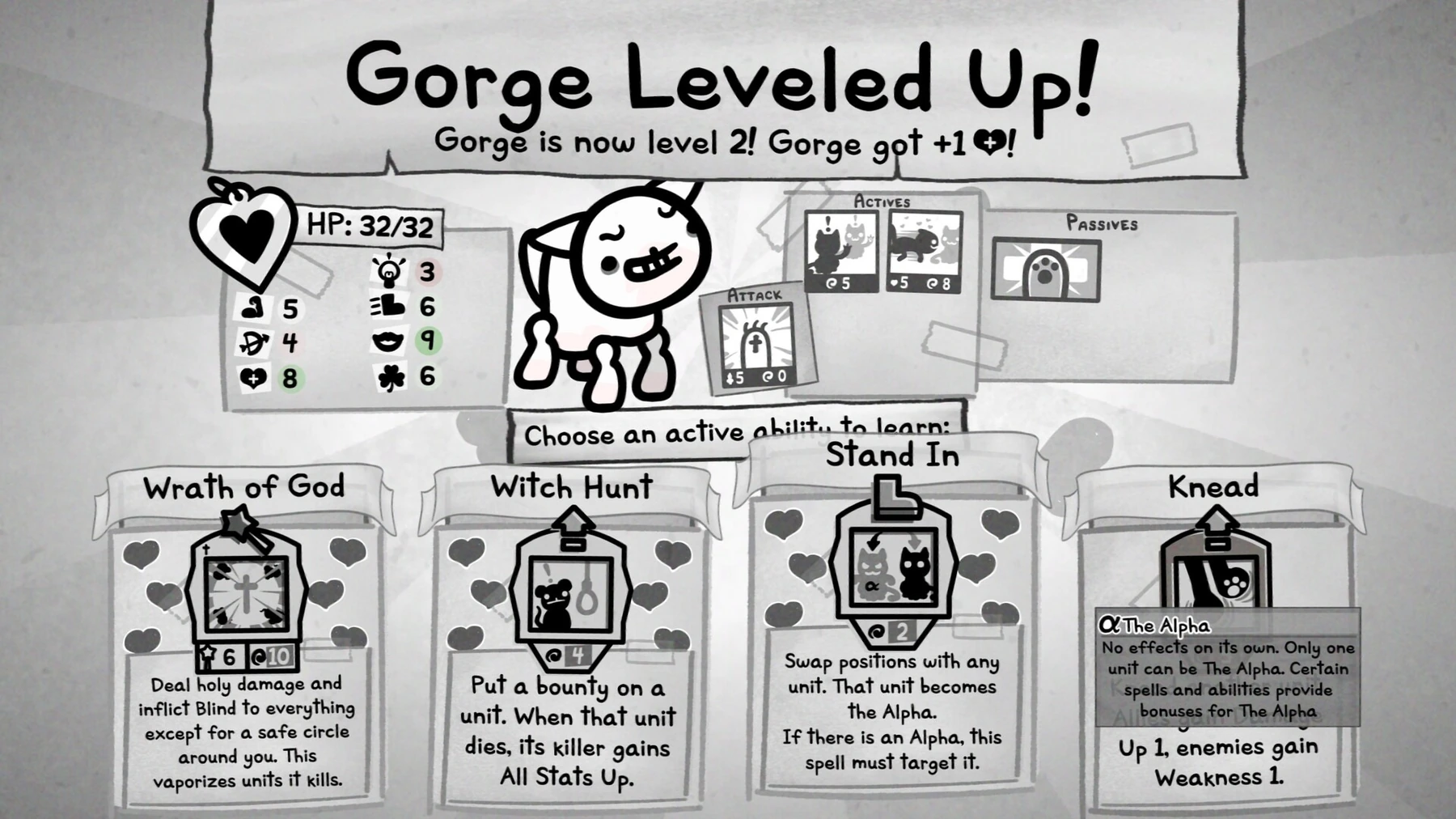
Collars assign roles such as fighter, tank or mage and determine which abilities a cat can learn. A balanced group needs a way to hold space, finish exposed targets and answer hazards at range. Four offensive collars may produce an exciting opening, yet the team can collapse when an enemy survives. Players should inspect the expedition description before choosing roles instead of repeating one favorite arrangement.
| Confirmed element | Role in play |
|---|---|
| Squad | Four cats selected from the household |
| Classes | Collars define jobs and skill pools |
| Combat | Turn-based positioning with environmental interactions |
| Progress | Traits pass through generations |
| Platform news | Xbox Series release on 8 September |
Breeding changes strategy beyond a single reward
Inherited traits make breeding a tactical decision, not only a cosmetic feature. A parent may pass useful statistics or a combination that supports a future class. The result is not fully predictable, so the household must keep room for unexpected strengths. Discarding every imperfect kitten too early can remove a trait that becomes valuable after a new collar or item appears.
Positioning matters because the environment participates
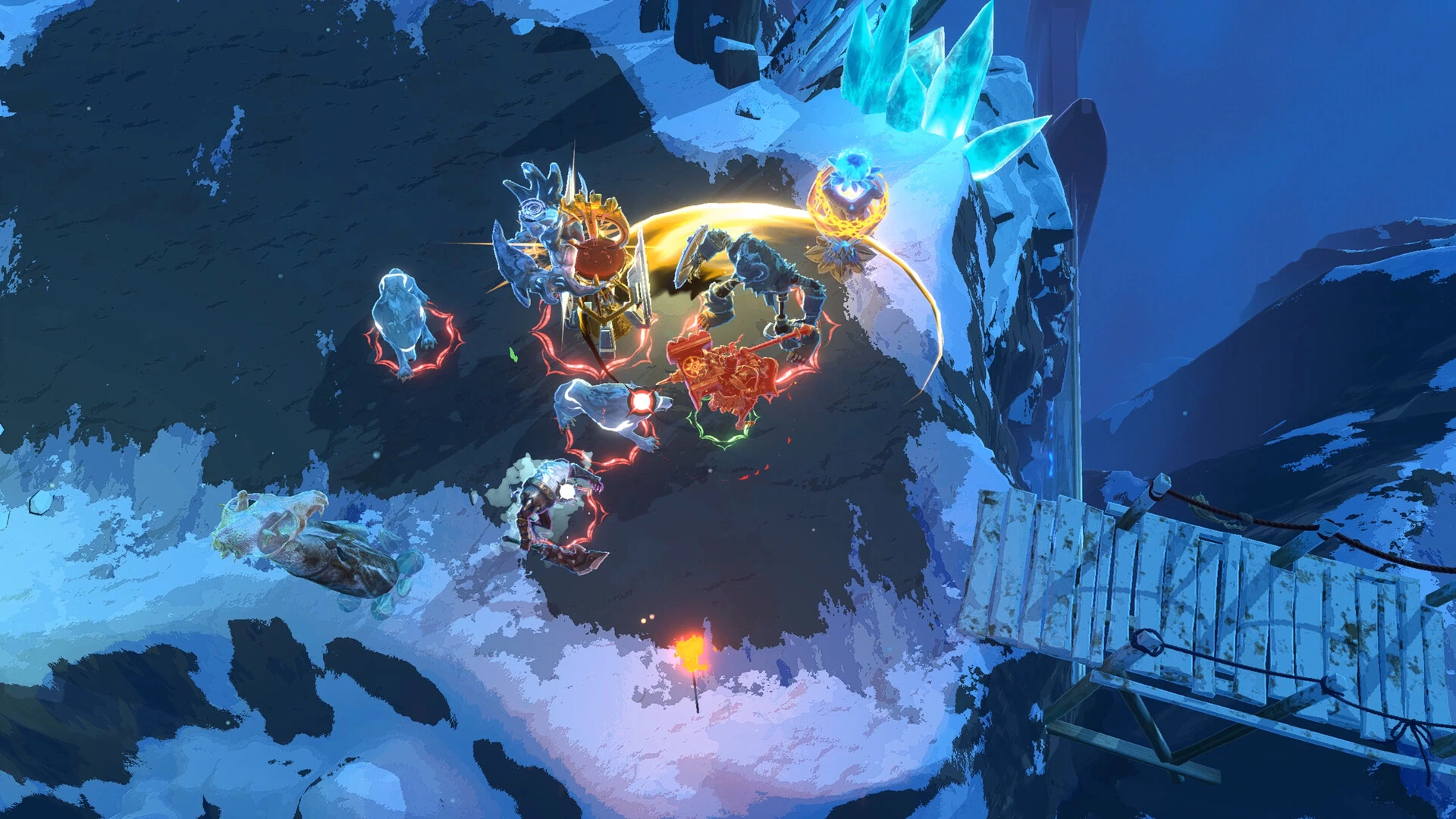
Battles use tiles, obstacles and objects that can help or harm either side. A strong turn may push an opponent into danger, protect a wounded ally or create a route to a priority target. Damage alone does not explain the best move. Before committing an ability, the player should check where every unit will stand afterward and which enemy receives the next turn.
Items should complete a plan rather than fill slots
Expeditions offer equipment with effects that can change a class build. The useful comparison is not simply which item has the largest number. A modest tool that improves movement may let a tank reach the correct tile, while an effect triggered by status conditions may be wasted in a squad that cannot apply them. The household inventory becomes stronger when pieces are assigned with a specific interaction in mind.
Permanent loss gives retreat a real purpose
When an experienced cat is in danger, continuing for one uncertain reward can damage several future runs. Retreat is not automatically the timid choice. It protects traits, learned skills and equipment that took time to assemble. The decision becomes easier when players set a limit before departure, such as leaving after the healer is lost or after supplies fall below a safe level.
A first Xbox session should begin with one family goal
New players can learn the systems by choosing a simple objective: build one dependable four-cat team while keeping two alternatives at home. That creates enough variety to understand classes and inheritance without turning every birth into a spreadsheet. After the first successful expedition, the roster can expand around a weakness that was actually observed rather than around a theoretical perfect build.
The console release preserves the game’s unusual identity
Mewgenics does not separate its comic presentation from serious tactical rules. Strange mutations and household events can be funny while still changing an expedition. The Xbox version should be judged by how clearly it presents those consequences with a controller, especially when comparing traits and selecting tiles. The central appeal remains the connection between one careful battle and a family that continues afterward.
Inheritance makes recovery different from restarting
A poor expedition can still leave useful knowledge about an enemy, class or family trait. The next generation does not erase that information. Players can preserve one proven collar, replace the role that failed and return with a smaller change. This makes recovery easier to read than a complete rebuild. The household advances because the player understands why the previous team struggled, while inherited differences prevent the answer from becoming a fixed solution for every future map.