JOIN US is a cooperative survival sandbox about building a strange community under the shadow of an approaching apocalypse. A group of up to four players can recruit followers, construct tents, beds, campfires and propaganda stations, choose Teachings that define the community, travel by vehicle and fight threats. The unusual body-swapping system lets a player move into a follower rather than remain tied to one permanent character.
Table of Contents
The satire depends on readable management
A comic cult theme can become noise if followers are only a resource counter. Recruitment, shelter and daily needs have to show how the community changes after each decision. A new follower adds labor and ability, but also requires space and support. The joke works best when the player understands the consequence and recognizes the absurd method used to solve it. Clear information keeps the satire aimed at the situation instead of making the interface itself frustrating.
Teachings give the compound an identity
Teachings appear to define beliefs and rules rather than act as a simple technology tree. A meaningful choice should alter follower behavior, available actions or the way the group handles a problem. Players need enough information to compare a short-term benefit with a longer cultural effect. If every Teaching only raises a number, the community will feel interchangeable. If the choice changes routines and relationships, two groups can build visibly different compounds from the same starting land.
| System | Confirmed role |
|---|---|
| Group size | Up to four players |
| Compound | Shelter, beds, campfires and propaganda facilities |
| Beliefs | Teachings define the community’s direction |
| Movement | Vehicles and body swapping |
| Release | March 2027 on Xbox, PC, cloud and Game Pass |
Basic buildings create the first survival loop
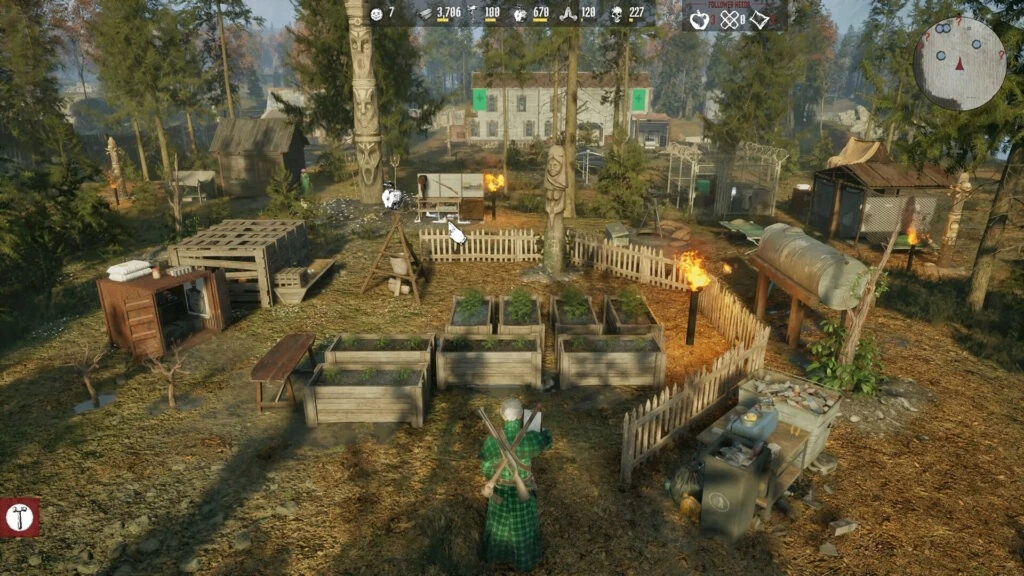
Tents and beds answer shelter, campfires support gathering and recovery, and propaganda stations connect physical construction to recruitment or belief. The order matters because an attractive new facility is not useful when existing followers have nowhere to sleep. A cooperative team can assign one person to materials, one to layout and another to nearby exploration. The fourth can watch threats or prepare transport. Roles should remain flexible, since a shortage may require everyone to change priorities quickly.
Body swapping changes how failure and distance work
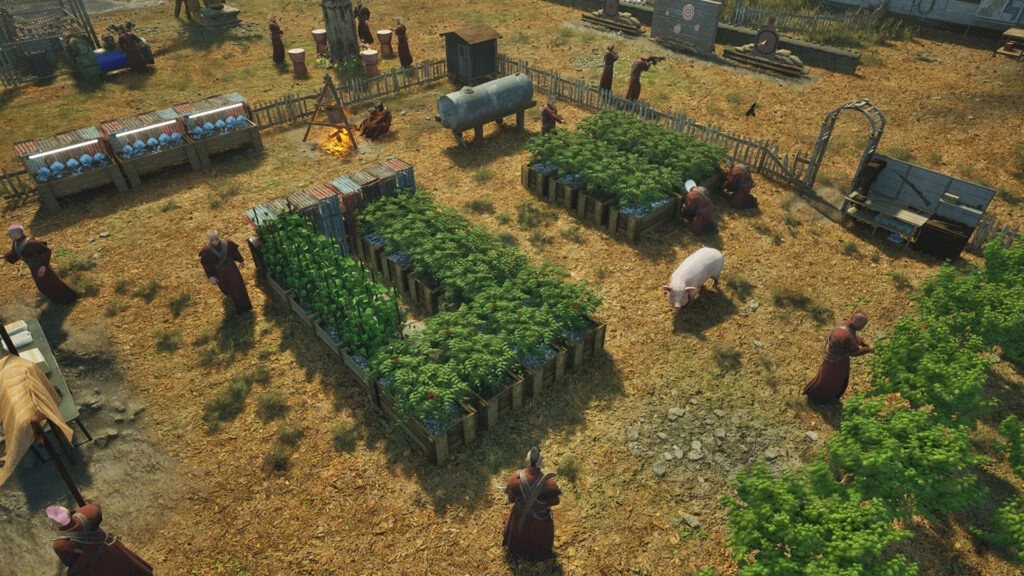
Moving into a follower can reduce the importance of one fixed hero and make the whole community feel playable. The system raises practical questions: what happens to the previous body, which equipment follows the player and whether a distant follower can be used as instant travel. Good rules need to prevent the ability from erasing every survival risk. At the same time, the swap should be fast enough to support cooperation when another part of the compound suddenly needs attention.
Vehicles expand the useful map
Transport lets players carry supplies, move followers or respond to a distant event, but it also creates fuel, storage and recovery questions. A vehicle left far from the compound can turn a quick journey into a long walk. Groups should agree who controls transport and where it is parked after a mission. The sandbox becomes more interesting when vehicles solve distance without making terrain and route choice meaningless. Damage or noise can provide tradeoffs for the faster movement.
Combat should protect a management goal
Weapons and hostile encounters belong in the design, yet the strongest reason to fight is the effect on the community. A threat may block a resource area, endanger a follower or interrupt construction. That connection gives combat a purpose beyond collecting stronger equipment. A group can decide whether to confront the danger, avoid it or prepare the compound for an attack. Different Teachings may even make one answer more suitable than another, linking action back to management.
The apocalypse mystery supplies a long objective
Daily survival can become repetitive without a question larger than the next building. The approaching apocalypse gives exploration and recruitment a shared direction. Clues should arrive through places, followers and consequences instead of one long explanation. Because the tone is satirical, serious information can sit beside unreliable claims from the community. Players need enough evidence to form a theory while still wondering whether their own organization is helping or making the final problem worse.
The announced platforms support flexible cooperation
JOIN US is planned for March 2027 on Xbox, Windows PC and cloud, with Game Pass and Xbox Play Anywhere support. Those features can make it easier for friends to join from different devices. They do not remove the need for compatible accounts, stable connections and synchronized saves. Before release, exact cross-play and progression details should be checked in the final store information. The confirmed design already points to a game built around shared decisions rather than four isolated personal campaigns.
Cooperation depends on information as much as timing
Body swapping can create confusion if players cannot quickly identify who controls each character and which task is urgent. Clear voice calls and visible role markers will be important during resource collection and escape sequences. The mechanic becomes meaningful when a swap changes the available solution, not when it only moves players between identical bodies. The strongest group will plan the next exchange before the current problem becomes dangerous.