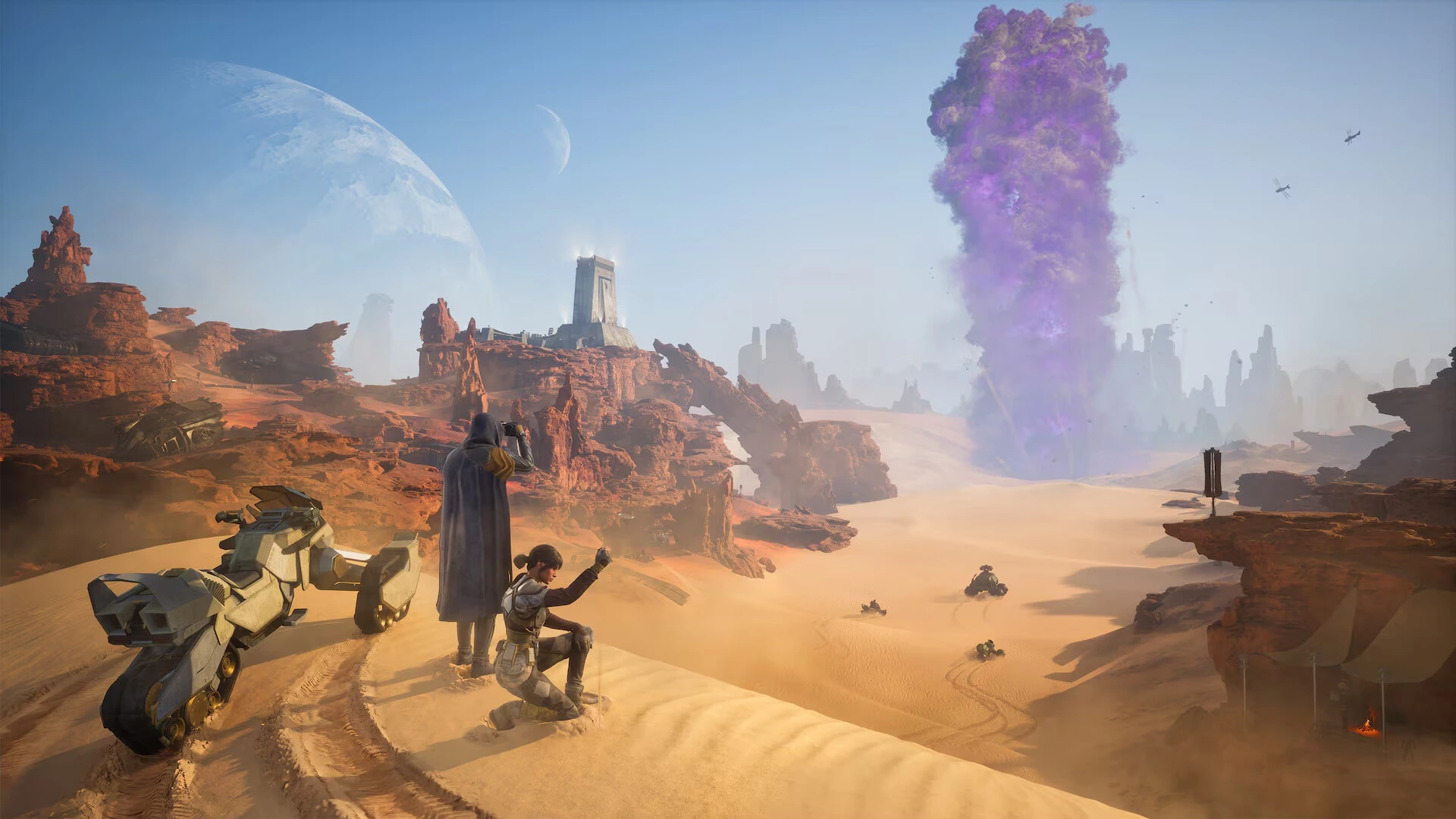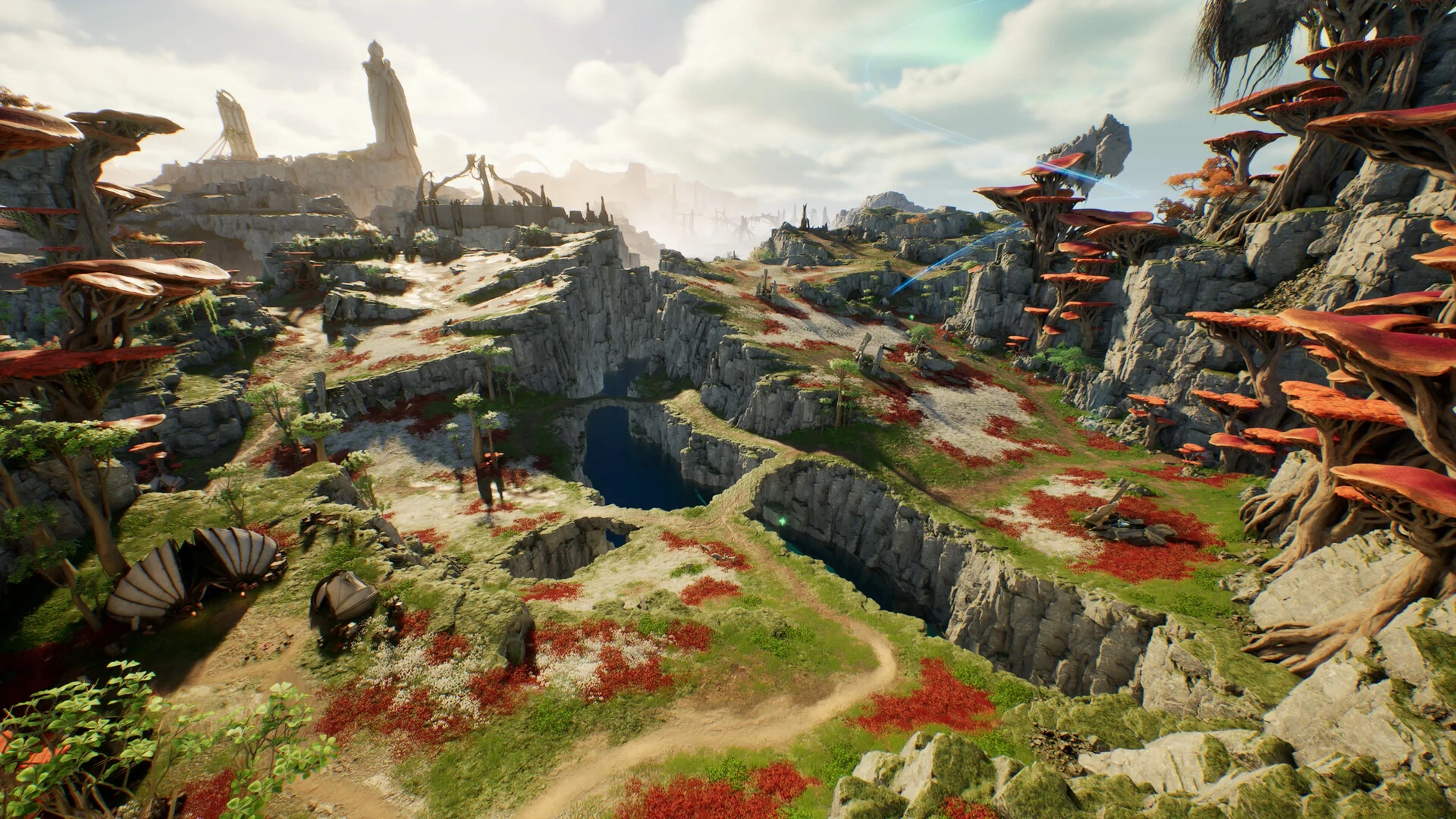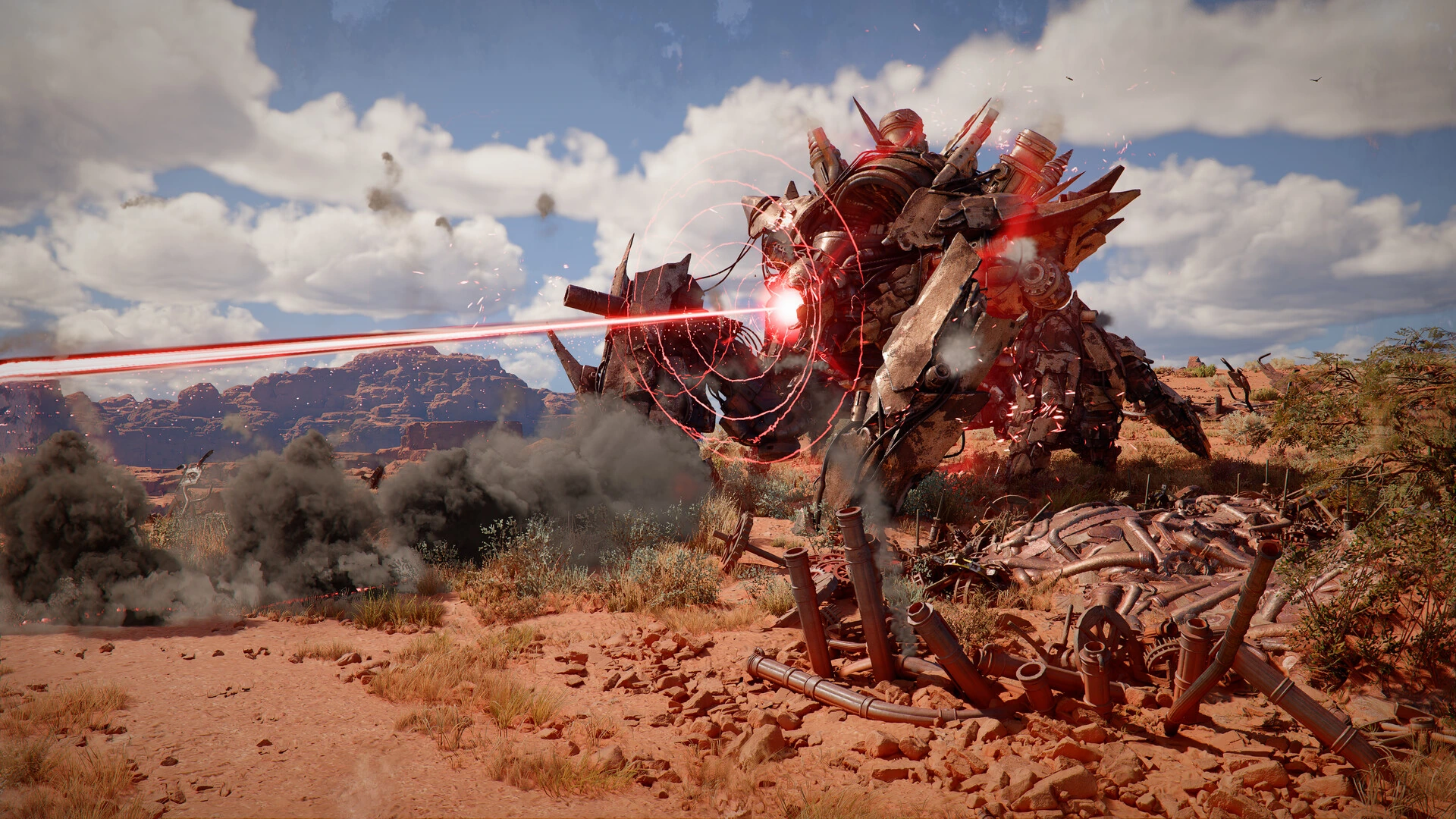
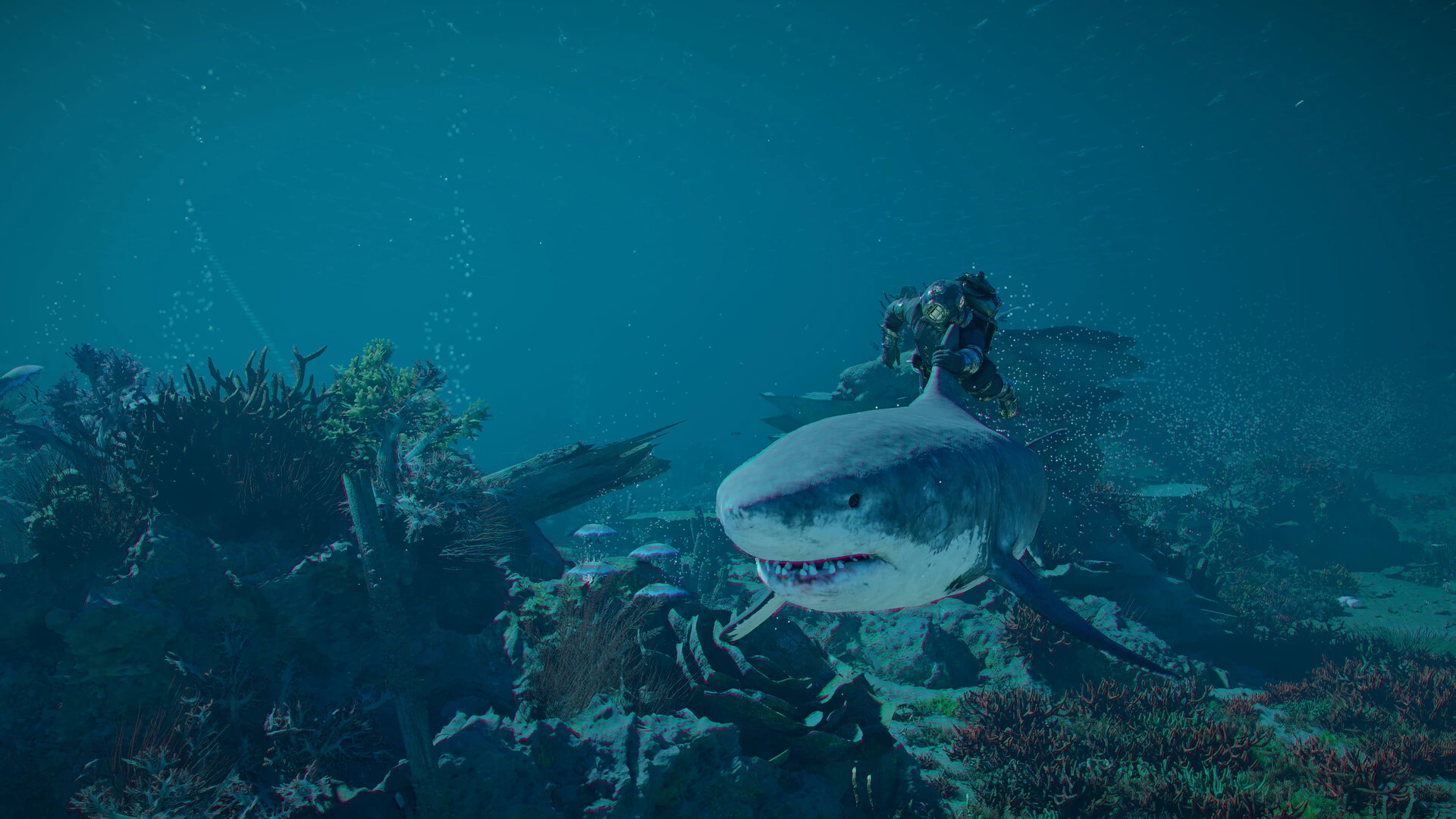
Crimson Desert Enhanced: Charting the Unknown launches on Steam on October 15 as a paid expansion for the base game. It moves the adventure beyond familiar land routes with new islands, a ship, underwater ruins and threats at sea, while also extending housing, facilities, relationships and the stories of Kliff, Oongka and Damiane.
Table of Contents
This is an expansion and requires the base game
Charting the Unknown is not a separate entry point. The Steam edition requires Crimson Desert Enhanced, and its listed price is $24.99. That should be clear before the new ship or islands attract a purchase, because the expansion builds on an existing character, world and set of combat systems.
For current players, the value depends on how deeply the new regions connect to the established adventure. A good expansion does more than place familiar fights on another map. It should use water, distance and settlement management to change preparation and create situations that the original land-based routes could not support.
A ship changes how unexplored territory is approached
The new vessel is both transport and a base for exploration. Islands can be reached in different orders, and a journey across open water requires more commitment than following a road. Supplies, the next safe stop and the condition of the ship become part of a route before the player steps onto unknown ground.
Sea travel also creates space between major encounters. That can improve the sense of scale if the journey contains discoveries and decisions, but it must avoid becoming empty transit. The expansion’s islands need recognizable identities and useful reasons to revisit them after their first story objective has been completed.
Underwater ruins add another layer to exploration
Submerged areas hide treasure, ruins and environmental mysteries. Moving below the surface changes visibility and orientation, so landmarks become more important than a conventional road. A valuable discovery should feel connected to observation and route planning rather than to sweeping every corner of the seabed.
Underwater threats can also alter the rhythm of combat. Evasion and positioning have different meaning when movement is no longer tied to a flat surface. The strongest encounters will use that freedom while preserving clear warnings, since danger becomes frustrating if the player cannot tell where an attack begins.
| Expansion area | What it adds |
|---|---|
| Open sea | Ship travel, new routes and threats away from land |
| Islands | Fresh regions, enemies, facilities and local stories |
| Underwater ruins | Treasure, mysteries and exploration below the surface |
| Housing and facilities | Long-term reasons to invest in newly reached places |
| Companion stories | Further development for Kliff, Oongka and Damiane |
The expansion spreads its additions across several systems
Exploration is the headline, but facilities, housing and relationships are part of the package. That mix suggests the new regions are intended to support a longer stay instead of a single sequence of missions. Renting or managing a facility can give an island a practical role after its immediate story has ended.
Land and sea enemies demand different preparation
New opponents appear on islands and in the water. A loadout that works against a large creature on open ground may be awkward in a confined ruin or during a naval approach. Players should carry options for range, mobility and recovery rather than assuming one powerful weapon will solve every situation.
The expansion can make preparation interesting by providing clues before a fight. Damage on a shoreline, abandoned equipment or unusual movement beneath the water can communicate what is ahead. That lets a difficult encounter reward attention instead of relying only on a sudden increase in enemy health.
Housing and facilities can make remote places useful
Upgraded housing gives personal progress a visible home, while rentable and manageable facilities can connect exploration to resources and services. If those systems are integrated well, discovering an island is only the beginning. The player then decides whether it is worth investing in and how it fits into a larger network.
Deeper bonds provide a human reason to return. Relationships can turn a settlement from a convenient stop into a place with consequences, especially when new storylines involve Kliff, Oongka and Damiane. Character development is important here because a larger map alone cannot make the world feel more meaningful.
The October release targets players ready to go farther
Charting the Unknown is most attractive to people who already understand Crimson Desert Enhanced and want its systems placed under different pressure. Newcomers should begin with the base game, learn its combat and decide whether the world deserves a longer commitment before adding the expansion.
For established players, the Steam release combines a concrete destination with useful supporting features. New islands, underwater ruins and a ship are easy to describe, but the lasting value will come from how they connect to facilities, homes and companions. The expansion has the right ingredients to make discovery affect life beyond the next battle.