Total War: SHOGUN 2 Complete Edition comes to Steam on October 13 with the original campaign, every expansion and a technical rebuild for current PCs. Creative Assembly is pairing the base game with Rise of the Samurai, Fall of the Samurai and the remaining downloadable content, then adding 64-bit support, sharper presentation, modern controls and interface scaling for high-resolution displays.
Table of Contents
Three eras now sit inside one strategy package
The complete edition covers more than one version of Japan. The main campaign focuses on the Sengoku period, Rise of the Samurai moves back to an earlier conflict, and Fall of the Samurai introduces firearms, industry and the pressure of modernization. Their rules share a foundation, but armies and strategic priorities change enough to make each era distinct.
Including the downloadable clans and content removes the need to reconstruct the full game through a long store list. A new player can choose an era based on preferred warfare, while a returning player can move directly to a campaign that was missing from an older library. The package is defined by breadth rather than one remastered scenario.
The 64-bit update is more important than a texture pass
Moving to a 64-bit application gives the game a more suitable base for modern operating systems and memory use. Improved lighting, shadows and textures make battles cleaner, but stability and compatibility will determine whether the edition becomes the easiest way to keep playing Shogun 2 on a current machine.
Interface scaling for 1440p and 4K displays addresses another practical weakness of older strategy games. Tiny text and narrow buttons can undermine an otherwise strong campaign. A scalable interface should make province information, unit statistics and diplomacy readable without reducing the amount of useful information on screen.
Modern controls should shorten the first campaign
Updated controls can reduce friction for players who learned strategy games through newer Total War releases. Camera movement, selection and common commands need to feel predictable from the opening battle. Veterans should still be able to build familiar shortcuts rather than relearn every action for the sake of modernization.
Japanese and Chinese voice and text options broaden the presentation, while HDR support can improve contrast on compatible displays. These additions are welcome, but they should remain secondary to clear information. A strategy game needs readable terrain, unit status and movement ranges before it needs dramatic color.
| Area | Complete Edition update |
|---|---|
| Content | Base game, Rise of the Samurai, Fall of the Samurai and all DLC |
| PC foundation | 64-bit application with modern operating-system support |
| Display | Improved lighting, shadows, textures, HDR and 1440p/4K UI scaling |
| Controls | Modernized inputs with configurable options |
| Community tools | Mod.io support and a map editor |
The main upgrades address different parts of play
The complete edition is not only a visual rerelease. Its changes touch the campaign map, real-time battles, language support, modification tools and online play. That range makes it easier to judge the edition by the mode a player actually intends to use rather than by one general promise of remastering.
More minor factions can make the map less predictable
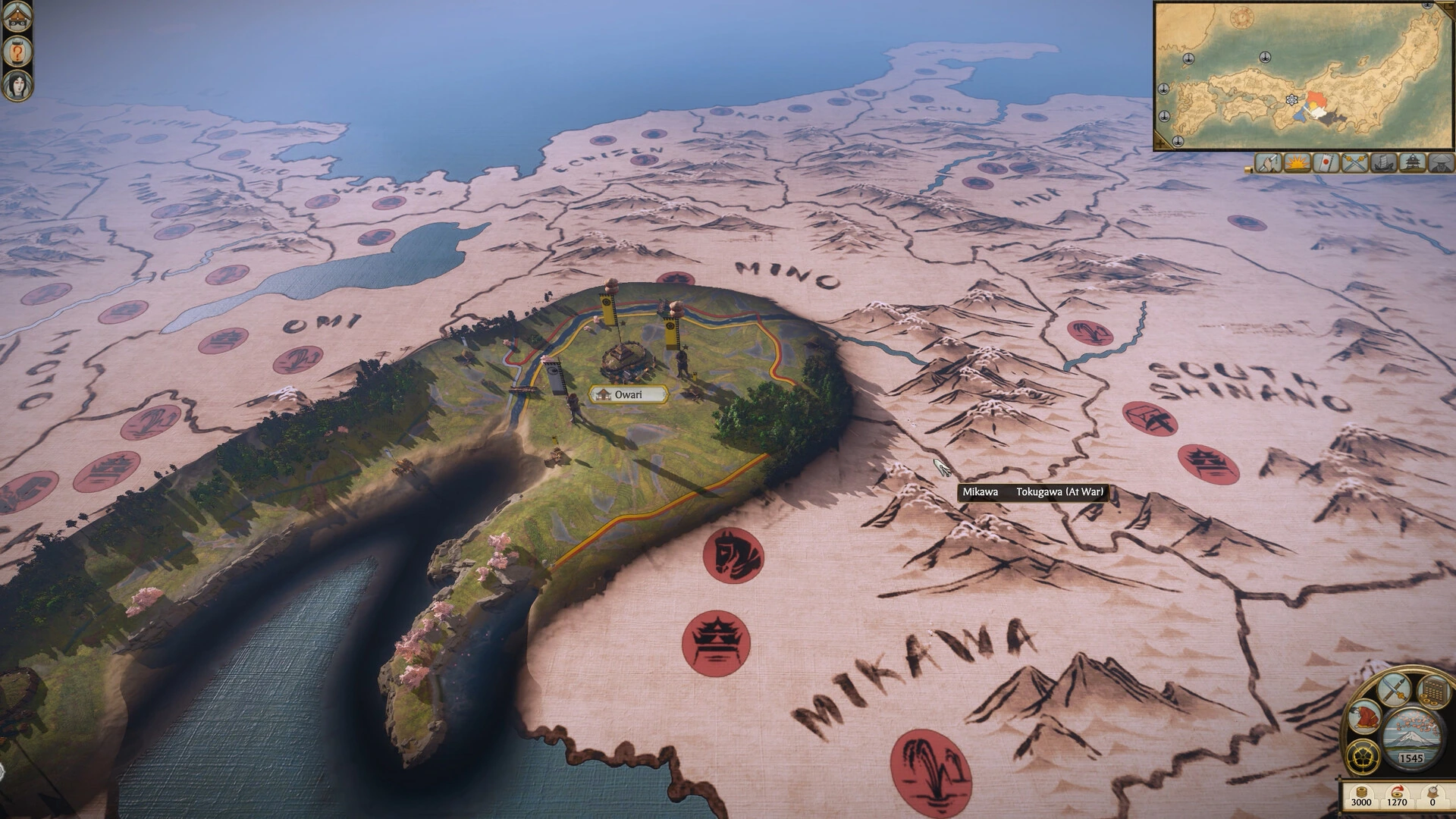
The campaign includes more than fifty minor factions, adding political texture around the major clans. Small neighbors can become buffers, trade partners or unexpected threats depending on geography and timing. Their presence matters most when they create new strategic problems rather than simply filling provinces with another banner.
A strong opening plan should therefore begin with local information. Food, income and military ambition have to match the clans immediately surrounding the starting province. Expanding too quickly can expose several borders at once, while excessive caution may allow a rival to secure the resources needed for a later invasion.
Battles still depend on terrain and morale
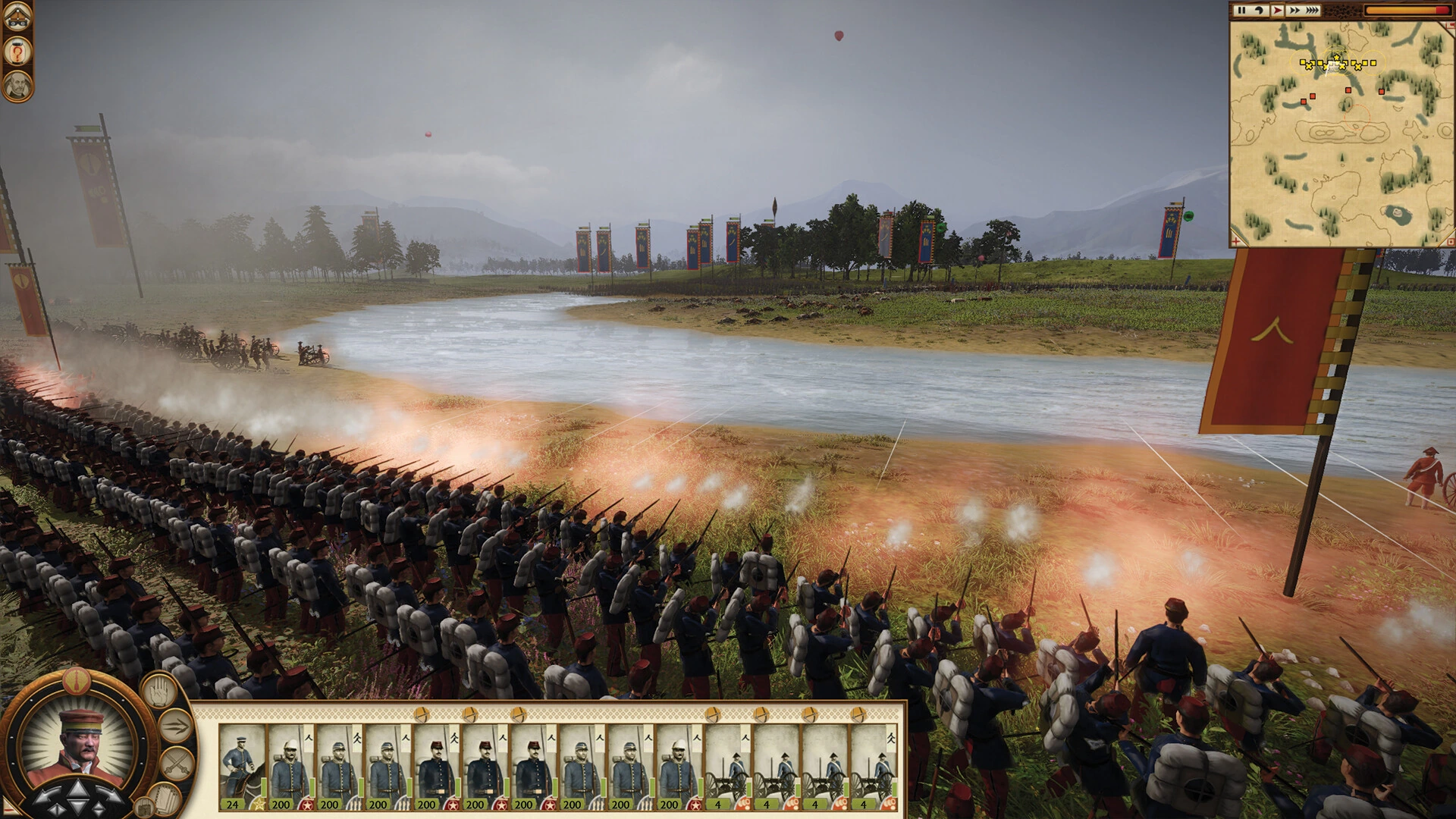
Shogun 2’s battlefield identity comes from disciplined formations, elevation, flanking and the possibility that morale collapses before every soldier is defeated. Improved visuals should help players read those conditions. A beautiful charge is useful only when the game also makes clear which unit is tired, threatened or about to break.
The three included eras alter that calculation. Traditional armies emphasize different relationships between infantry, cavalry and archers, while Fall of the Samurai makes gun lines, artillery and modernization central. Moving between campaigns therefore changes tactics as well as the appearance of the units.
Multiplayer and modification remain part of the value
The package supports cooperative and competitive campaigns, Avatar Conquest and custom battle lobbies for up to eight players. Those modes give the complete edition a life beyond one conquest of Japan, particularly for groups that want to compare army construction directly rather than rely on campaign diplomacy.
Mod.io integration and a map editor give creators tools to extend the game. Compatibility will need to be checked rather than assumed for older projects, because a rebuilt 64-bit edition is not identical to the original release. New tools are most valuable when their documentation makes that transition understandable.
The Steam release is built for both newcomers and veterans
A newcomer receives the whole historical range in one purchase and can learn from the focused map that made Shogun 2 approachable. A veteran receives reasons to return that are more substantial than a higher resolution: modern interface scaling, current platform support and a consolidated multiplayer and modding environment.
The October 13 launch will be judged by reliability as much as nostalgia. If the campaign remains stable, the interface is genuinely comfortable at 4K and battles retain their clarity, the complete edition can become the default Steam version. Its content is already proven; the task is to make that content convenient to play for another generation of PCs.