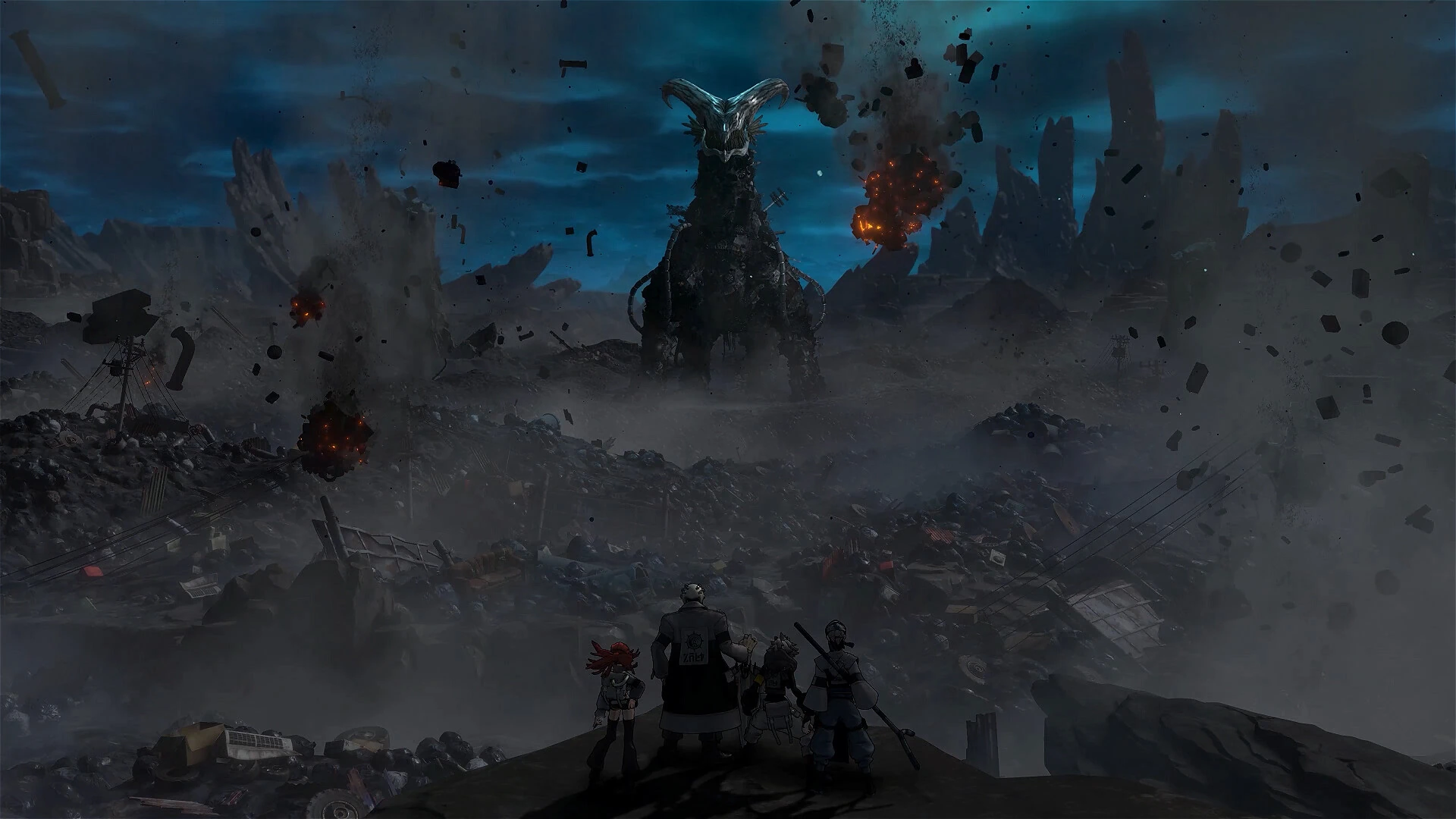
Control Resonant launches on Steam on September 24, alongside PlayStation 5 and Xbox Series X|S. Remedy moves the sequel beyond the Oldest House and places Dylan Faden in a distorted Manhattan built from connected, focused zones. A recent preview confirms melee-led combat, supernatural abilities, flexible builds and missions that range from direct battles to investigation and repair work.
Table of Contents
Steam receives the game on launch day
The Steam version is scheduled for September 24 rather than a delayed PC release. The same date applies to the current console versions.
Players can therefore choose a platform without waiting for the main story to arrive later. Store-specific performance and controller features should still be checked before purchase. A simultaneous Steam release also makes the PC version part of the first conversation around performance and controls. Keyboard mapping, ultrawide support and scalable settings will matter immediately, while console players can judge the same combat structure through their own platform features. Steam players can therefore follow the same spoiler timeline as console players. The main remaining platform questions concern technical features and performance, not whether the story arrives later on PC.
Dylan changes the rhythm of combat
Dylan relies on close attacks and powers instead of copying Jesse’s ranged style from the first game. Melee actions restore the Power resource used by combat abilities.
That loop asks the player to move toward danger when a passive retreat would leave the resource empty. Executions on stunned enemies can then connect one successful engagement to the next. Close-range combat gives every approach a visible cost. Dylan can gain Power by staying active, but he still needs space to read an enemy wind-up and avoid being trapped beside a wall. The best rhythm should alternate pressure, recovery and a deliberate route to the next target. Resource recovery through melee also discourages fighting every enemy from the same safe distance. Dylan has to recognise a weakened target, enter with purpose and leave before another attack closes the route.
Manhattan is broad without becoming an empty open world
Remedy describes several substantial zones rather than one unrestricted map filled with repeated tasks. Each area can support a distinct problem while remaining part of the same damaged city.
Mission priorities allow the player to follow the main story, search for Jesse or explore side events. The structure should keep travel meaningful if routes change as reality becomes less stable. Connected zones can support exploration without filling the map with identical markers. A blocked street, altered building or new supernatural rule can change how an old route works, giving revisits a purpose beyond collecting an item that was previously out of reach. Focused districts can give side missions a stronger identity than a single enormous map. A hospital, transit route or residential block can introduce its own altered rule and support a complete local story.

Aberrants make builds easy to revise
Players can combine primary and secondary Aberrants to alter Dylan’s active powers. The Gap acts as a hub where unlocked options and skill trees can be adjusted.
A useful build needs an answer for groups, single strong enemies and a safe recovery route. Testing changes in a controlled space should reduce the cost of discovering that two effects do not work together. Build changes are most useful when the player can understand why an ability improved. Clear descriptions for damage, control and resource effects will make experimentation faster and prevent the hub from becoming a place where numbers are changed without a tactical goal. The hub gives experimentation a natural pause between dangerous areas. Players can compare a change with the problem they just faced instead of committing permanently before they understand the new system.
The horror comes from rules that refuse to stay fixed
Resonant bosses can transform streets and ordinary objects into threats instead of only adding larger health bars. Clear warnings remain important even when the visual idea is deliberately unsettling.
The strongest encounters will surprise the player once and then reveal a pattern that can be learned. The confirmed Steam date is close, so the remaining question is how consistently the full game sustains that balance. Remedy’s strongest horror usually places an ordinary object inside a rule that no longer behaves normally. Manhattan gives the studio a larger set of familiar spaces to distort, but readable attacks and reliable controls must remain intact when the visual presentation becomes most aggressive. The sequel’s scale will matter only if Manhattan remains readable during its strangest moments. Landmarks and consistent routes can help players navigate even when the environment changes shape around them.