

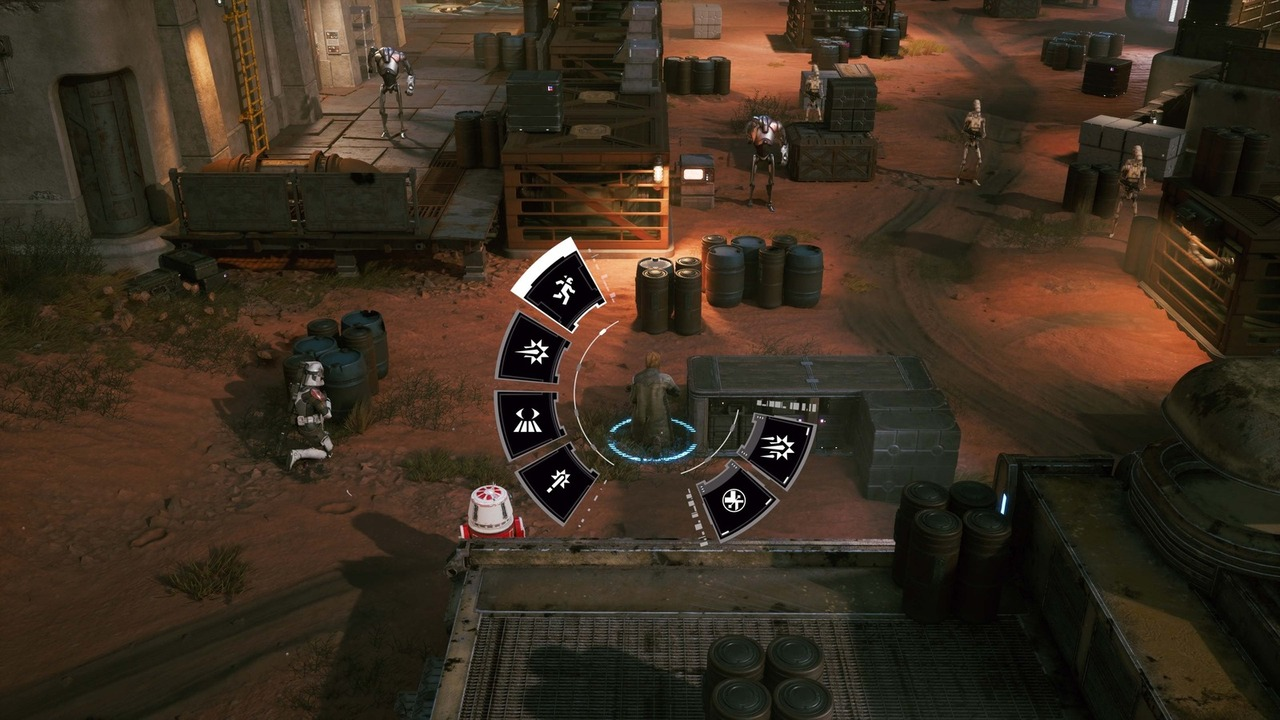
Players customise Hawks and select operatives before entering missions against the Infinite Coil. Movement, attacks and talents all draw from each character’s available Action Points.
Table of Contents
Hawks can be customised before the campaign
Players choose details for Hawks, including appearance, background elements and a combat focus. Weapon and talent choices affect how the commander contributes in battle. A sharpshooter can work from safer range, while another setup may draw attention or interact with objects. The customisation does not remove Hawks from the written story. It changes the player’s version of the central officer while the conflict with the Infinite Coil remains the campaign’s main threat.
Astromech units add support without copying a humanoid operative. They can provide Action Points and other utility that helps a teammate complete a stronger turn. Their lower direct versatility means they need protection and a clear purpose. A player who spends the bonus without considering the next enemy action may gain little. A well-timed point can instead allow movement followed by a shot or talent that would otherwise be impossible.
Action Points control movement and attacks
Each operative spends Action Points to move, fire or use a talent. A long movement can reduce the options left for the same turn. Holding a position may preserve points for overwatch or another response. This makes distance part of every decision. A powerful ability is less useful when the operative cannot reach a safe tile, and a quick attack may create a better team turn than one expensive action used without support.
Optional permanent death changes the meaning of damage near the end of a mission. Without it, a risky move may cost recovery time. With it enabled, the same mistake can remove a character and later personal missions from the campaign. Permanent death remains optional and changes the cost of losing an operative. The game presents it as an option, so using the standard setting is not an incomplete way to play the story.
The arenas allow more than one objective
Some missions ask the squad to rescue an ally, destroy an object or survive against a rival force.
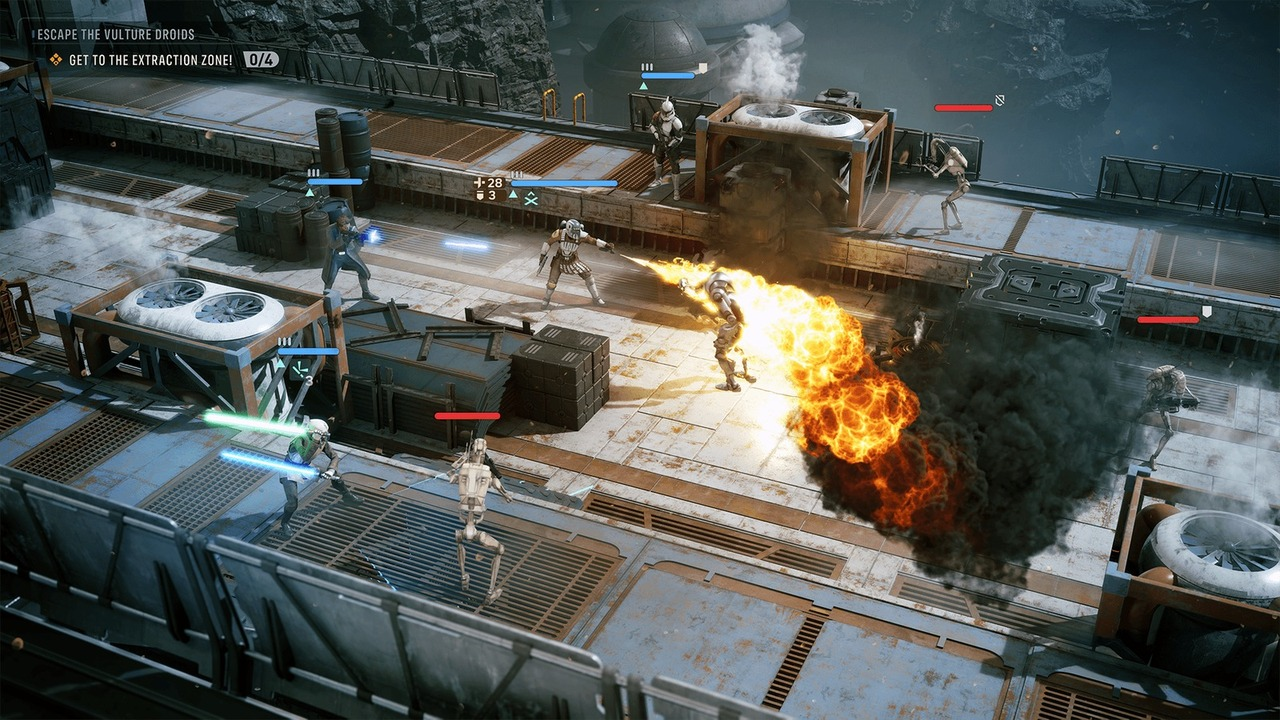
Destructible elements can alter cover and open new lines of fire. The goal therefore matters as much as the number of enemies. A squad that stays in one strong position may still fail if the objective is moving or time-limited. Players need to read the mission conditions before treating every map as a simple elimination battle.
The Den connects battles with squad management
Between missions, the Den acts as the home for Zero Company. Players can recruit operatives, adjust equipment, buy modifications and help injured teammates recover. Upgrades improve parts of the base as the campaign develops. The Holotable then presents available operations. This structure gives preparation a clear place in the story and lets the consequences of an injury continue after the turn in which it happened.
Bonds can unlock practical benefits
Operatives form stronger relationships when they support each other, complete missions together or agree with important decisions. Good bonds provide Focus and can share passive benefits. The system links dialogue choices to combat without reducing every relationship to one approval number. A decision that satisfies one person may disappoint another.
Mission choices shape the route through the campaign
The Holotable presents operations with different objectives and rewards. Choosing one can change which resources or character moments the squad receives next. The published presentation does not establish a mandatory timer after every mission, so the campaign should be described through its confirmed operations, squad decisions and consequences rather than an invented countdown.
The launch version brings its systems together
Zero Company launched on 27 August for PlayStation 5. The published hands-on preview describes a working campaign structure in the current build. Balance updates may still change individual talents, but the central loop is established: choose operations, manage the Den, build a squad and solve turn-based objectives. Players who use permanent death should expect their campaign to differ more sharply because losing one operative can also remove that character’s later missions.
Squad management gives consequences to choices made outside a battle. Selecting an operative changes the tools available during the next mission, while relationships influence how the group develops over time.