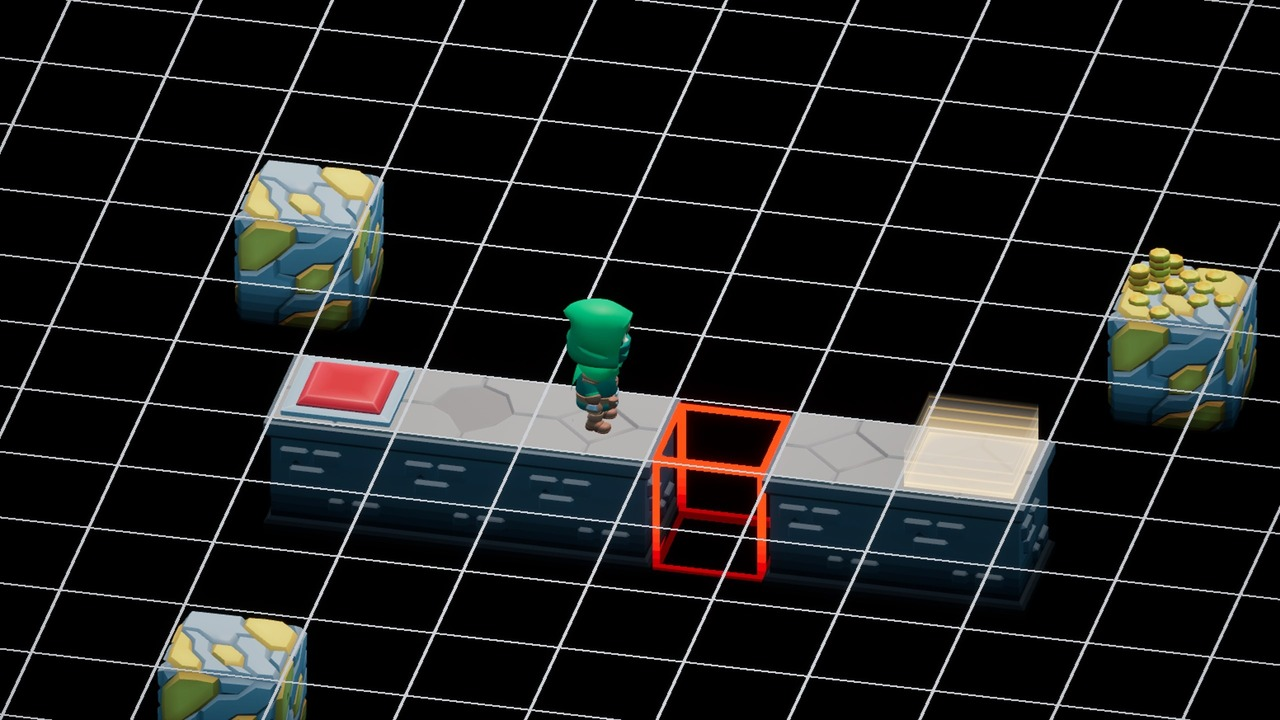
Dark Dungeon Head Haze launches for Xbox Series X and Series S on 21 August. The isometric puzzle game follows a thief who enters a dungeon in search of treasure. Most of the visible route disappears after the first move.
Players must study the room before moving. Memory, route planning and careful use of the remaining visual clues are the main tools. The challenge comes from understanding space rather than reacting to fast combat.
Table of Contents
Each room begins with a short planning phase
The player can inspect the initial layout before darkness covers most of it. Important details may include walls, hazards, switches and the route toward the exit. A quick first move without study can make the later steps much harder. Good puzzle design should make failure understandable. When a route fails, the player needs enough information to change the next attempt. Pure guessing would weaken the memory idea.
The low-poly isometric view helps define the shape of each room. Clear edges and recognisable landmarks can support memory even when the lighting changes.
Darkness changes how ordinary movement feels
A visible corridor is simple to cross. The same corridor becomes uncertain when only the starting picture remains. Players may count steps, remember turns or use fixed objects as reference points. The mechanic can support several types of puzzle. One room may test the order of switches. Another may ask the player to avoid a hazard that is no longer visible. Variety is important because memory alone could become repetitive.
The game should also keep controls exact. A movement input that produces an unexpected direction would feel unfair when the route is hidden.
Short stages can support repeated attempts
Puzzle games benefit from quick restarts. A player who understands a mistake should return to the decision without waiting through a long sequence. This keeps attention on the puzzle rather than on repetition. Optional treasure can add a second goal. The safest route may reach the exit, while a more difficult route collects everything. Players can choose whether the extra risk is worth another attempt.
Difficulty should increase by combining known ideas. Introducing too many new rules at once would make it hard to learn why a solution works.
| Puzzle element | Useful action |
|---|---|
| Visible starting layout | Study the full route |
| Darkened path | Use familiar visual markers |
| Failed attempt | Change one choice |
| Optional treasure | Choose between a safe route and a difficult route |
The game uses one clear central idea
Dark Dungeon Head Haze is built around one easy-to-explain mechanic: study the path before the light disappears. The quality of the complete game depends on how many fair variations it creates from that idea. Players who enjoy observation and route planning are the clearest audience. Those seeking a large role-playing system may find a more focused puzzle experience instead.
The Xbox release gives the game a simple test. Each successful room should make the player feel that memory and planning produced the answer, rather than luck.
Good notes can become part of the solution
Dark Dungeon Head Haze asks players to remember information while moving through uncertain spaces. Writing down a symbol or a route can reduce repeated exploration. The useful note is short and connected to a location, not a complete record of every object in the room.
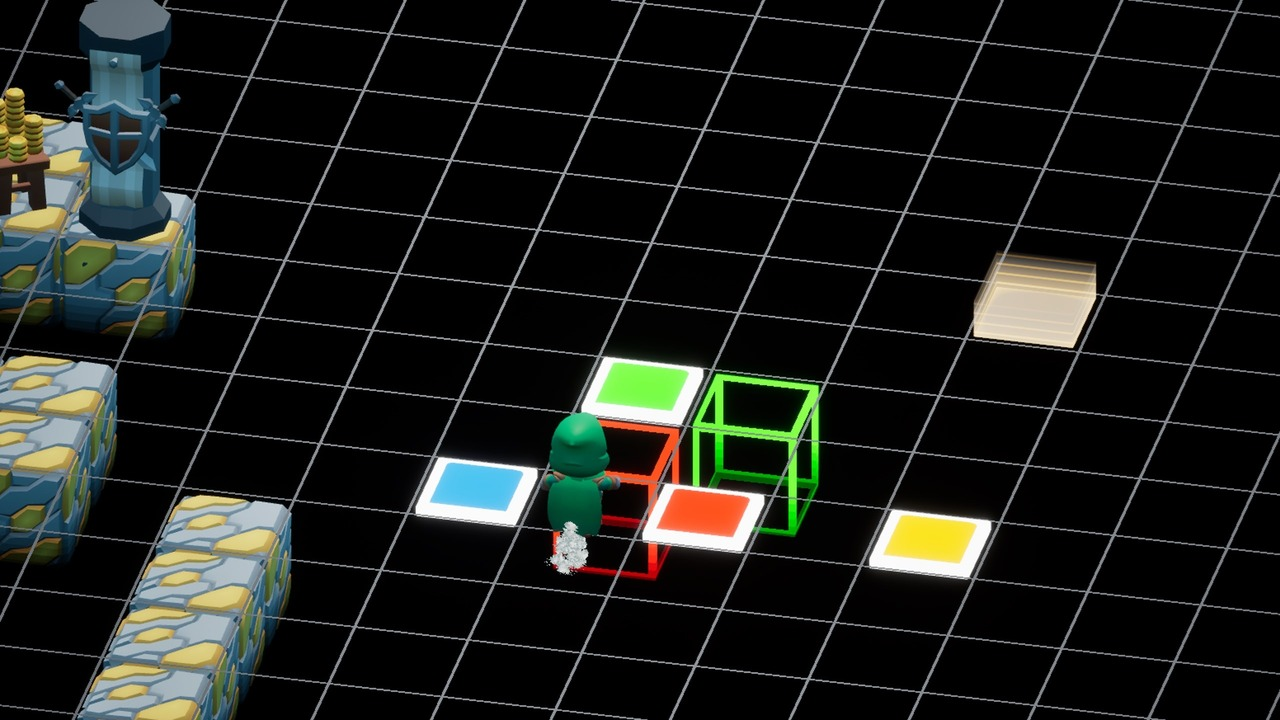
The game can challenge memory by changing the meaning of familiar details. A mark that once indicated safety may belong to a different puzzle later. Players need to compare context before applying an old answer to a new situation.
Pacing matters because difficult puzzles lose their effect when the player is only tired. A successful sequence alternates observation, testing and a clear result. Even a failed attempt should reveal enough information to support the next decision. The launch version will be judged by the clarity of those rules. Mystery does not require random outcomes. Players should understand why a solution worked after they find it, even when the route to that understanding was deliberately uncomfortable.
A fair puzzle leaves evidence after failure
A wrong answer should change the player’s understanding even when it carries a penalty. A sound, movement or visible reaction can show which part of the idea was incorrect. Repeating the same input without new evidence only tests patience. Memory puzzles also benefit from stable landmarks. If every corridor looks identical, navigation becomes random. One unusual object or shape lets players connect a clue with a place and build a mental map without removing the atmosphere.
Optional hints can support different audiences when they explain a relationship rather than state the answer. The player still completes the final reasoning. This keeps the challenge available while preventing one difficult sequence from blocking the rest of the game.