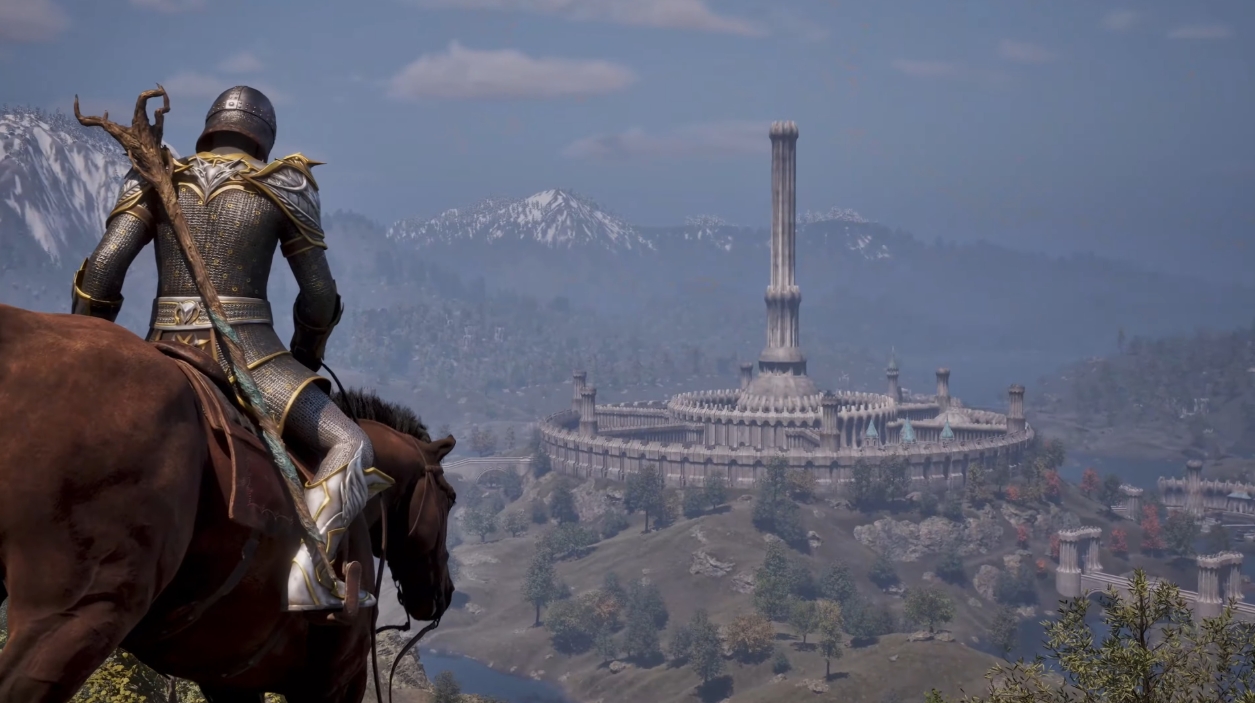
When Bethesda unexpectedly dropped The Elder Scrolls IV: Oblivion Remastered in April 2025, the internet exploded with joy. An iconic RPG with an updated picture — what could be better? It turned out very quickly: the visual was tightened, but the technical side was not.
Almost immediately after the release, Digital Foundry specialists recorded the same symptoms in all versions of the game: hitches, crashes, serious drawdowns below 60 FPS and an unstable line in quality mode on consoles. A year has passed and the situation has hardly changed.
Table of Contents
Patch 1.2 — and nothing else: Oblivion Remastered support has actually stopped
Since the release, patch 1.2 appeared in July 2025, a very short support window for a game that was released just a few months earlier. After that, no significant updates. For a project positioned as the “modern final version” of one of Bethesda’s main RPGs, this sounds strange.
Digital Foundry has thoroughly tested patch 1.2 and confirmed that unstable frame rates, constant frame jumps, and visual bugs remain on all platforms, including the PS5 and Xbox Series. Alex Battaglia called the results “stunning and sad at the same time.”
Why Unreal Engine 5 became a Problem for Oblivion Remastered
Oblivion Remastered’s technical problem isn’t superficial — it’s structural. The developers of Virtuos studio have embedded the original architecture of the game inside the frontend on Unreal Engine 5. Both systems themselves are extremely demanding on the processor and video card, and their combination gives a catastrophically unstable frame time, which worsens as the game progresses.
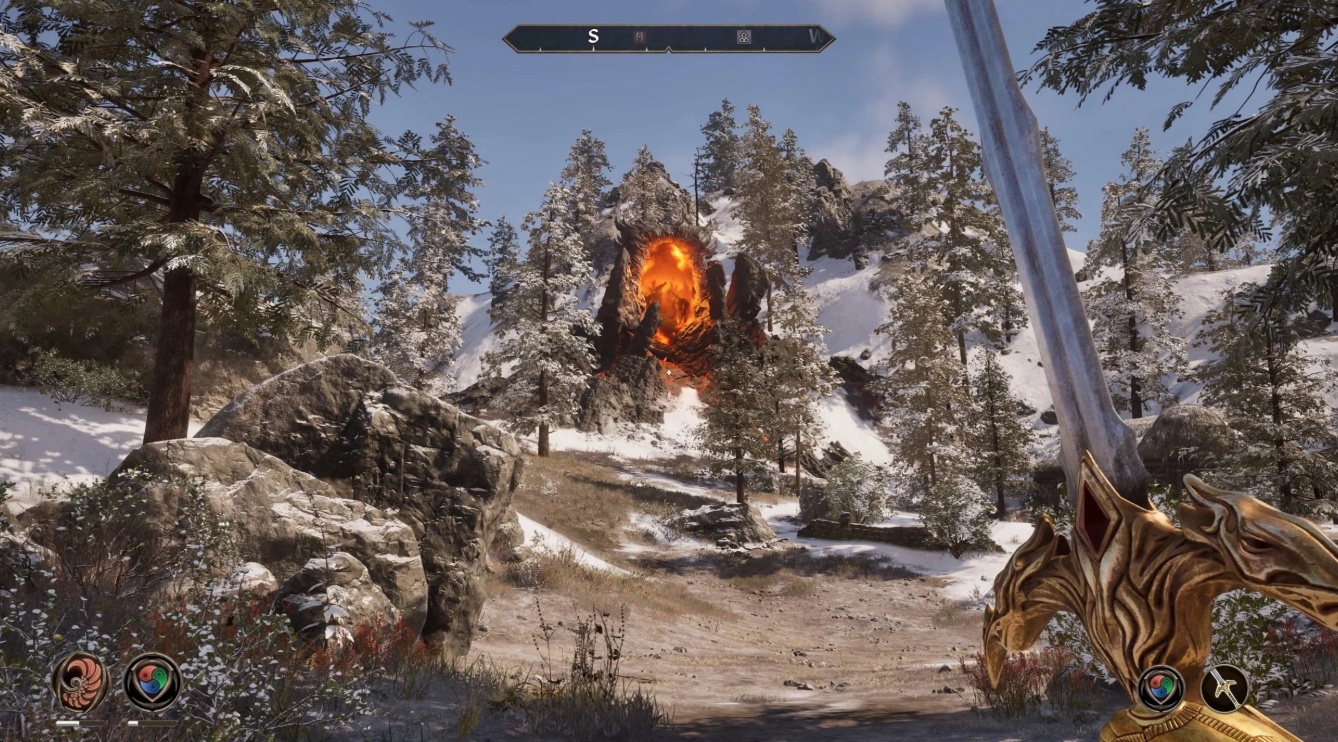
Experts have found that even completely disabling the Lumen RT hardware lighting and reducing all settings to a minimum increases CPU performance by only about 10%. At the same time, statters practically do not disappear. That is, “tweaking the settings” is not an option. The problem is deeper.
A separate pain is caused by performance degradation: during long gaming sessions, the game starts to work worse and worse, presumably due to memory leaks. Restarting helps, but it’s not a solution.
Freezes, crashes, memory leaks: a complete list of Oblivion Remastered problems
If you put all the complaints into one picture, the list is impressive:
-
constant hitches and freezes when exploring the open world;
-
FPS drawdowns below 60 even on top-end hardware;
-
unstable frametime — frames “twitch” even at high average FPS;
-
crashes that were never fixed;
-
performance degradation during long sessions;
-
strange behavior when loading the same save.
On the Steam forums, RTX 4090 players confirm that statters are even available on flagship hardware in the open world. The problem is not with “weak PCs”.
Oblivion Remastered on Nintendo Switch 2: Last Chance for a Normal Patch?
On Steam, the game still has a “mostly positive” rating in all reviews, but among recent ones it is already “mixed”. One user laconically wrote in April: “abandonware”. This word speaks for itself.
Digital Foundry puts the result harshly: “Oblivion Remastered is still in poor condition,” and adds that Bethesda’s silence hints that the company does not see the opportunity for major improvements.
A small hope is associated with the release of the game on the Nintendo Switch 2 — there is a possibility that the release on the new platform will coincide with the release of a patch for all versions. But so far, these are just assumptions.
Oblivion Remastered remains a strange case: a game that everyone wanted, that everyone bought — and that still doesn’t work as it should. Visually, it’s great. Technically, it’s a lottery, where the winning ticket is called “just lucky with the session.” As long as Bethesda is silent, players can either endure or wait.