
Ground Zero Gaming storms into LCP 2026: Riot Games has found a replacement for TALON Esports
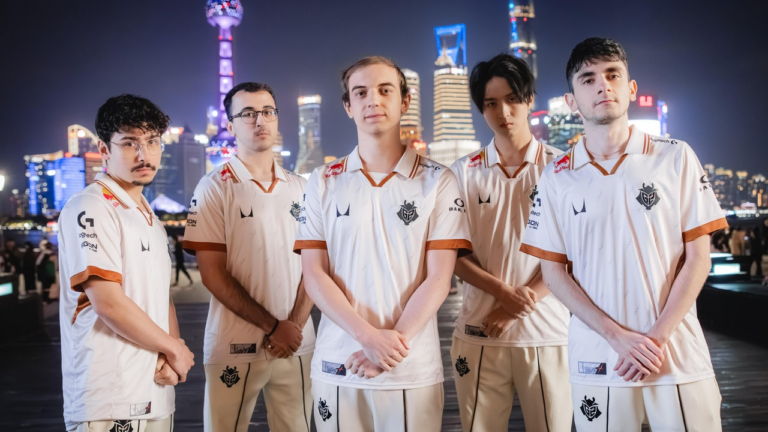
There has been a major reshuffle on the League of Legends esports professional scene — the Australian Ground Zero Gaming club is officially flying into the LCP 2026 season. The publisher Riot Games, by the way, rolled out this announcement literally on December 22, confirming that GZ will occupy an empty place in the top division of the Pacific region.
Reasons for leaving TALON Esports and choosing Ground Zero Gaming
The place was vacated for a reason — the TALON Esports team, unfortunately for the fans, left the league due to serious financial holes in the business. Riot Games, apparently, had to quickly sort through the applications, and here’s the most interesting thing — they were looking for a balance between a powerful skill and a regional representation. As a result, along the way, the choice fell on Ground Zero Gaming, which, according to the developers, met the strict requirements of the league better than all other applicants. Everything is in fact.
The GZ organization has been stewing in this mess since 2016 and is considered a pretty significant name in Australian esports. In 2024, by the way, the guys generally dominated — they took both LCO splits and even snatched seventh place at the PCS Summer Playoffs. However, 2025 turned out to be, to be honest, not the most successful year for them, because they finished it on the eighth line in the third split of the Pacific Championship Series — such is the contrast.
The full list of participants and the format of the LCP 2026 tournament
Now that the list of participants has been finalized, we know for sure all eight teams that will compete in the 2026 Season Kickoff tournament. Among the partners there are such tops as CTC Flying Oyster, Fukuoka SoftBank HAWKS and powerful Vietnamese from GAM Esports — just three teams. The remaining five places are guest slots, which, by the way, were scored by Secret Whales, DetonatioN FocusMe, Vikings Esports, Deep Cross Gaming and now our friends from Ground Zero Gaming.
The launch is scheduled for January 16.
The format is, in fact, classic — a best-of-three round-robin system, where only the top six of the eight teams will survive. It is they who, I must say, will make their way to the playoff stage to compete for the coveted ticket to the First Stand Tournament 2026 – the first global event in the new League of Legends season.
The future of LCO: Will Ground Zero become an example for other teams in the region?
In the esports swamp of Oceania, it should be noted that there has been a serious shift — the Ground Zero Gaming OCE team clearly shows how to work with young people. By the way, the guys have relied on the development of talents from the tier-2 scene, and this, apparently, is bearing real fruit. Instead of just buying legionnaires, GZ competently mixes local resources with global ambitions, literally pulling the entire LCO region behind them — it’s really charming.
Training of young talents through the GZ academy system
The Ground Zero organization has generally focused heavily on finding young talents in Oceania, where the pool of players is traditionally limited by geography. Their internal academy, in fact, has turned into a real conveyor belt — scouts scour small tournaments, and then newcomers go through a tough bootcamp with coaches, analyzing VOD recordings of matches from top leagues like the LEC or the Chinese LPL.

One of the debutants in Split 2025 gave out a crazy KDA of 4.2 for 10 meetings, which, to be honest, is significantly higher than the league averages. Neighbors in the region, apparently, have already begun to spy on this technique — the same Kanga Academy, for example, transferred two of its students to the main staff at once. The practical benefits are obvious here — it’s worth implementing regular scams with tier-2 teams so that the youngsters get used to the pressure of the big stage in advance.
Tier-2 scene as a growth base
The grassroots scene in Oceania is, in fact, a chaotic cocktail of small leagues and online mixes, but Ground Zero is pouring money into it directly. By the way, they became sponsors of the prize funds in Oceanic Challengers, for which they received the priority right to “catch” the best talents. The result is obvious — almost 40% of the current roster consists of people from these grassroots leagues, and their winrate jumped by 15% after integration into the base.
For competitors, the recipe is, in principle, extremely simple — you need to organize joint training camps with tier-2 squads, rigidly fixing game metrics like CS/min or vision score. This, I must say, is not only cheap, but also creates strong brand loyalty among the players — many then return to the club as mentors.
Investment in Sydney’s infrastructure and training hubs
Unfortunately, the Oceania region is constantly suffering from an outflow of top personnel towards NA or LATAM, but Ground Zero seems to be changing this trend. They opened a cool training hub in Sydney, packed with VR simulations and advanced analytics based on neural networks – they managed to attract about $500k in sponsorship money for one season. Such a base, in fact, keeps the stars at home, and the level of emotional burnout among the players has dropped by 25% — the numbers are high.
Investment Comparison:
| Team | Academy Investment | LCO 2025 Result |
|---|---|---|
| Ground Zero | $500k+ and training hub | Top-4 finish, +2 promoted talents |
| Kanga | $200k, online-based program | Mid-table, 1 emerging talent |
| Mammoth | Minimal investment | Bottom-6 finish |
Along the way, everyone else should take an example and establish partnerships with local giants like Telstra, focusing on payback through streaming platforms.
The Ground Zero business model as a success strategy in LCO
In short, the example of Ground Zero proves that a combination of academies, tier—2 support and smart investments is pulling LCO towards the Pacific region. This business model, in fact, kills dependence on expensive imports, raising the local percentage of wins by 12% in just a year. If other clubs start implementing such features in stages, then entering the Worlds qualifier will become a reality after a couple of full-fledged seasons.