
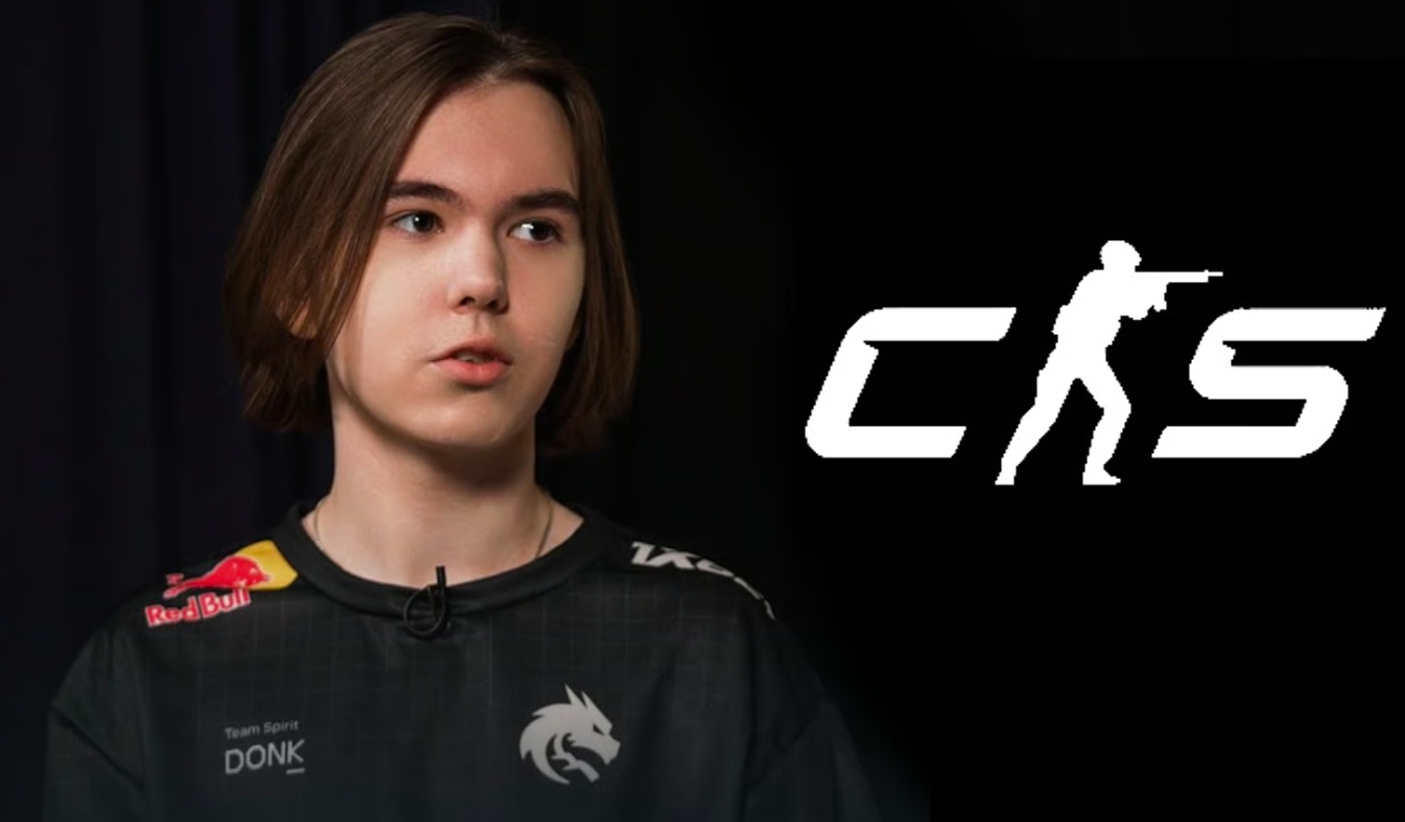
Team Spirit will not compete at the upcoming IEM Beijing 2026 event in China. The organization’s absence from the tournament was confirmed in the participant list, and now the team’s star rifler Danil donk Kryshkovets has provided a direct explanation for the decision. In a comment shared through a Telegram channel, donk pointed to a punishing competitive calendar as the primary reason for skipping the event.
The news comes as the Counter-Strike 2 circuit prepares for a packed conclusion to the 2026 season. IEM Beijing 2026 is scheduled to run from November 2 to November 8, featuring a total prize pool of 1.25 million dollars, with 300 thousand dollars allocated directly to the players. Team Spirit’s withdrawal removes one of the most formidable rosters from the field, reshaping the competitive landscape for the tournament.
The confirmation of Team Spirit’s absence arrived alongside a separate announcement from Team Vitality, who also declared they would not participate in IEM Beijing 2026. Vitality cited personal reasons, specifically the recent births in the families of in-game leader Dan apEX Madesclaire and rifler William mezii Merriman, as the driving factor behind their decision. The French organization emphasized that its main priority remains the Majors, and rather than competing with a substitute in Beijing, the team chose to focus on events where it could field its full roster.
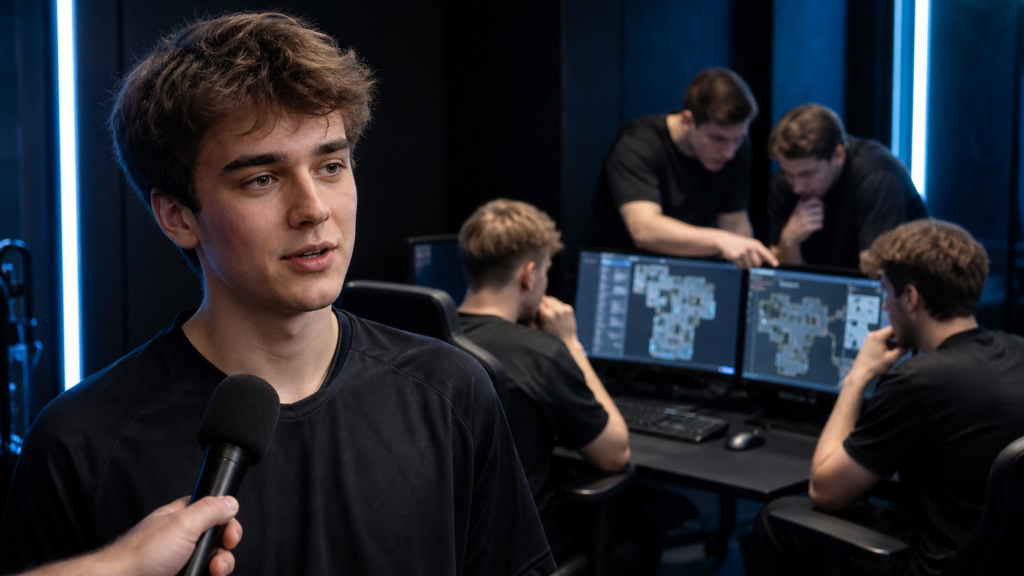
For Team Spirit, the reasoning is entirely different and rooted in the structural demands of the professional circuit. Donk addressed the situation directly when asked why the team declined the invitation to IEM Beijing 2026. After briefly checking with a Team Spirit representative, he offered a concise and candid reply. He stated that there are four tournaments in a row, and he described the schedule as brutal. This straightforward assessment highlights the intense pressure top-tier CS2 teams face when navigating back-to-back international commitments.
The decision reflects a growing trend among elite organizations to manage player workload and competitive readiness by selectively choosing events. While the prize pool in Beijing is substantial, the physical and mental toll of constant travel and preparation across multiple consecutive tournaments can outweigh the immediate financial incentive. Team Spirit’s choice prioritizes sustained performance over a relentless calendar.
The Brutal Schedule Behind Team Spirit’s Withdrawal
Donk’s comment about four consecutive tournaments provides crucial context for understanding Team Spirit’s strategic decision. The modern Counter-Strike 2 calendar is densely packed, with premier events often overlapping or running back-to-back with minimal recovery time. For a team competing at the highest level, the logistics of traveling between continents, preparing strategies for different opponents, and maintaining individual peak performance become exponentially more difficult when tournaments are scheduled without adequate breaks.
The IEM Beijing 2026 event occupies a specific slot in this congested timeline. Taking place in China from November 2 to November 8, it represents one piece of a larger competitive puzzle. For Team Spirit, the cumulative effect of four straight tournaments likely presented an unsustainable challenge. The organization appears to have made a calculated choice to preserve its roster’s health and competitive sharpness by skipping the Beijing event entirely, rather than risking burnout or subpar performances across multiple fronts.
This approach contrasts with how other teams have handled similar situations. Team Vitality, for instance, initially planned to use a stand-in for other upcoming tournaments, with Justinas jL Lekavicius set to fill in at BLAST Open Fall 2026 and PGL Masters Bucharest 2026. Team Spirit, however, opted for a cleaner break from the Beijing event rather than navigating the complications of a substitute player or a fatigued lineup. The decision underscores the organization’s confidence in its long-term planning and its commitment to fielding the strongest possible roster at the tournaments it does attend.
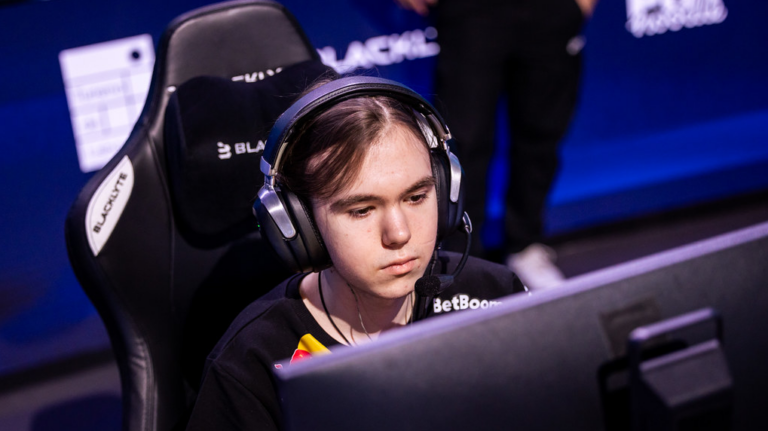
- IEM Beijing 2026 is scheduled for November 2 to November 8 in China with a 1.25 million dollar prize pool.
- Team Vitality also withdrew from the event, citing the births of children in apEX and mezii’s families.
- Donk revealed that Team Spirit faces four consecutive tournaments, describing the schedule as brutal.
- Vitality stated its main priority remains the Majors and chose to focus on events where it can play with a full roster.
The simultaneous withdrawal of two top-tier organizations from IEM Beijing 2026 reshapes the tournament’s competitive field. While Team Vitality’s absence is tied to personal milestones within the team, Team Spirit’s decision is a direct response to the structural demands of the professional circuit. Both cases illustrate the complex factors that influence roster participation beyond simple competitive desire or financial opportunity.
For fans and analysts, the focus now shifts to how the remaining participants will capitalize on the absence of these powerhouse teams. The 1.25 million dollar prize pool and the 300 thousand dollar player share remain significant incentives, and the event in China will still feature elite competition. However, the withdrawals serve as a reminder that the human and logistical elements of esports are just as critical as in-game skill.
Competitive Implications for the CS2 Circuit
The absence of Team Spirit and Team Vitality from IEM Beijing 2026 carries immediate consequences for the tournament’s competitive balance. Both organizations are perennial contenders in the Counter-Strike 2 scene, and their removal from the participant list opens the door for other teams to claim a larger share of the prize pool and valuable circuit points. The event in China will now feature a field without two of its expected headliners, potentially altering the dynamics of group stages and playoff brackets.
Team Vitality’s situation is particularly nuanced. The organization confirmed that while it will miss Beijing, it has already arranged for Justinas jL Lekavicius to serve as a stand-in at BLAST Open Fall 2026 and PGL Masters Bucharest 2026. This indicates a selective approach to roster management, where the team is willing to use substitutes for some events but not for others. The birth of children in apEX and mezii’s families created a temporary roster gap, and Vitality chose to deploy its stand-in resources at tournaments it deemed more critical or more feasible for a mixed lineup.
Team Spirit, by contrast, has not publicly announced any stand-in arrangements or alternative plans related to the Beijing event. Donk’s explanation focused solely on the schedule, suggesting that the organization’s decision was proactive rather than reactive. By avoiding the four-tournament gauntlet, Team Spirit aims to arrive at its chosen events with full energy and preparation. This strategy could pay dividends in the long run, particularly as the season builds toward its most prestigious championships.
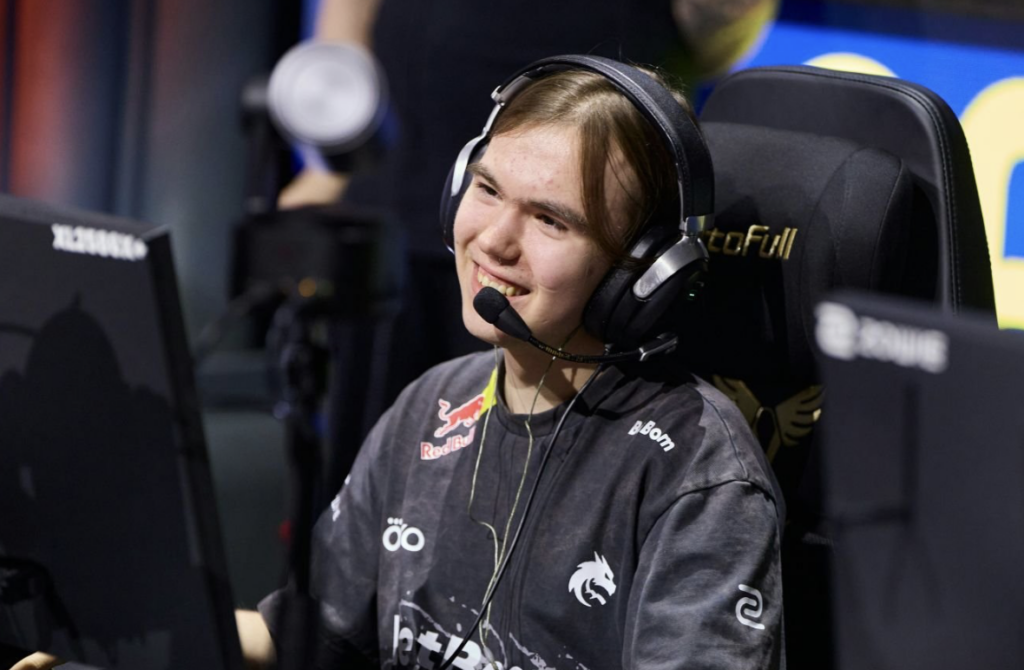
| Team | Reason for Missing IEM Beijing 2026 |
|---|---|
| Team Spirit | Brutal schedule with four consecutive tournaments, as stated by donk |
| Team Vitality | Births in the families of apEX and mezii; priority on Majors and full-roster events |
The decisions by Team Spirit and Team Vitality to skip IEM Beijing 2026 highlight the growing complexity of roster management in professional Counter-Strike 2. Whether driven by personal milestones or the relentless pace of the competitive calendar, top organizations are increasingly willing to forgo lucrative opportunities in favor of long-term stability and performance. For Team Spirit, donk’s candid assessment of a brutal schedule offers a rare glimpse into the practical challenges that shape a team’s tournament roadmap.
As the CS2 circuit continues to expand, the balance between participation and preservation will remain a central theme. The 1.25 million dollar prize pool in Beijing ensures the event will still deliver high-stakes competition, but the absence of two elite rosters serves as a tangible reminder that even the best teams must sometimes step back to move forward.
Comments