
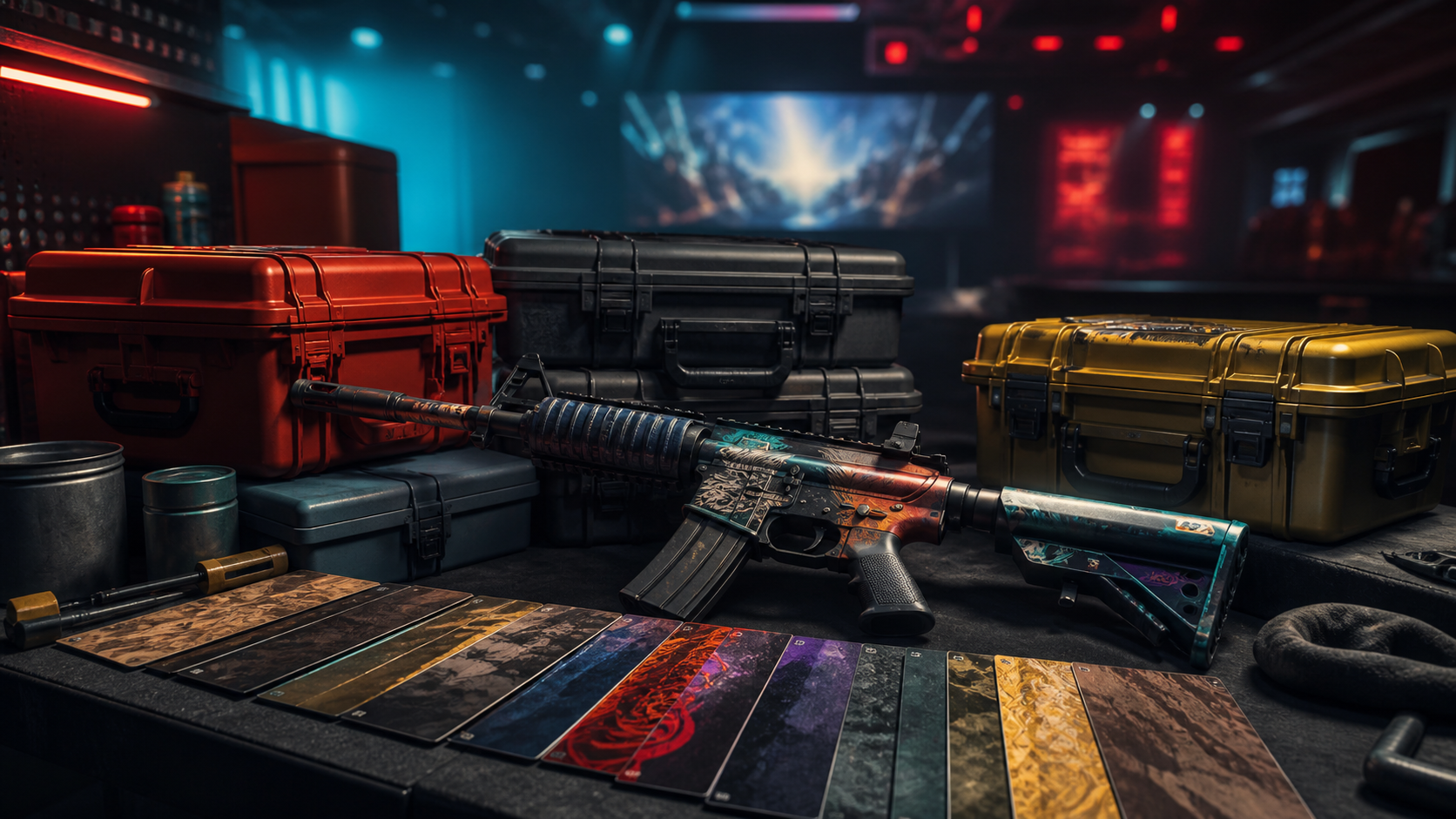
The virtual armory of Counter-Strike reached a significant milestone this week. The in-game cosmetic items known as skins have officially been part of the franchise for 13 years, tracing their origin back to a single transformative update that reshaped the game’s economy and community.
On August 14, 2013, Valve released ‘The Arms Deal’ update for Counter-Strike: Global Offensive. This patch did more than just add visual flair to weapons; it fundamentally altered how players interacted with the Steam marketplace and laid the financial groundwork for the competitive scene’s most prestigious tournaments.
The introduction of skins created an entirely new digital economy. Before this update, weapon finishes were not a customizable feature in the game. The Arms Deal instantly changed that by launching over 100 unique weapon skins, giving players a reason to engage with a collection system that would soon become a cultural phenomenon within the shooter genre.
The update’s impact was immediate and lasting. It introduced the concept of weapon cases, which required keys to open, establishing a reward loop that kept players invested. The very first cases, including the CS:GO Weapon Case and the eSports Weapon Case, contained designs that are now considered vintage relics of the game’s history.
Beyond the cosmetic appeal, the update integrated the Steam Workshop for Counter-Strike skins. This allowed community artists to submit their own designs for potential inclusion in future cases, turning the skin economy into a collaborative effort between the developer and its most creative players. This system not only democratized content creation but also provided a revenue stream for artists whose work was selected by Valve.
The Arsenal Expansion and StatTrak Technology
While the visual overhaul grabbed headlines, The Arms Deal also made permanent changes to the game’s tactical sandbox. The update added the M4A1-S and USP-S, silenced weapons that remain staples of competitive loadouts today. These variants offered players new strategic options, rewarding precise aim with reduced noise and tracers.
The M4A1-S provided a quieter alternative to the standard M4A4 for counter-terrorists, featuring a smaller magazine but tighter recoil control. The USP-S gave players a stealthier default pistol option. These additions were not merely cosmetic; they directly influenced how rounds were played, particularly in clutch situations where sound discipline was critical.
Alongside the new weapons, Valve introduced StatTrak technology. This feature embedded a digital counter on specific weapon skins, tracking the number of kills a player secured with that exact firearm. The addition of StatTrak turned skins into personal scoreboards, adding a layer of prestige and personalization that went far beyond a simple paint job. A StatTrak weapon became a record of a player’s journey, with the numbers etched directly onto the virtual gun.
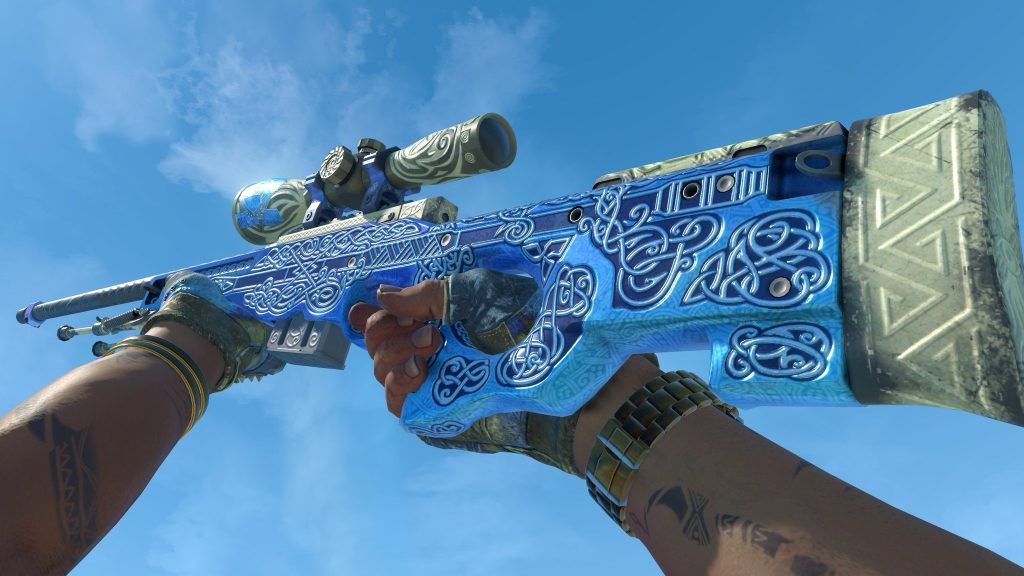
- The eSports Weapon Case directly funded the prize pool for DreamHack Winter 2013, which became the first-ever Counter-Strike Major Championship.
- The Arms Deal update launched with more than 100 new weapon skins, instantly creating a collection meta-game within CS:GO.
- The update added the M4A1-S and USP-S, two silenced weapons that permanently altered the game’s tactical meta.
- StatTrak technology was introduced, allowing players to track their kill counts on specific weapon skins.
- The Steam Workshop was opened for CS:GO skins, enabling community artists to create and submit their own cosmetic designs.
The financial ecosystem that emerged from The Arms Deal extended far beyond the official Steam marketplace. The desirability and rarity of certain skins led to the creation of a vast third-party trading network, where players buy, sell, and trade items daily on external websites. This global market operates outside of Valve’s direct control, with some rare skins commanding prices that rival real-world luxury goods.
The anniversary serves as a reminder of how a single update can redefine a game’s lifespan. What started as a collection of digital textures evolved into a complex economy with real monetary value, influencing everything from professional player salaries to content creation on streaming platforms.
Funding the First Major and Community Creation
A crucial, often overlooked aspect of The Arms Deal was its direct link to the birth of the Counter-Strike Major circuit. Valve designated a portion of the revenue generated from the eSports Weapon Case to support the prize pool of DreamHack Winter 2013. This event, held in Sweden, is recognized as the first Major in Counter-Strike history, setting the template for the elite tier of competition that defines the professional scene today.
This funding model demonstrated a sustainable path for esports growth, where in-game purchases directly contributed to the competitive ecosystem. It was a pioneering approach that connected the casual player base with the professional tier, as every key purchased for an eSports case contributed tangibly to the stakes of the upcoming championship.
Simultaneously, the opening of the Steam Workshop for weapon finishes empowered the artistic community. No longer were maps the only user-generated content; now, graphic designers could see their work featured in the game. This initiative turned skin design into a legitimate profession for some, with successful submissions generating significant income and recognition within the Counter-Strike community.
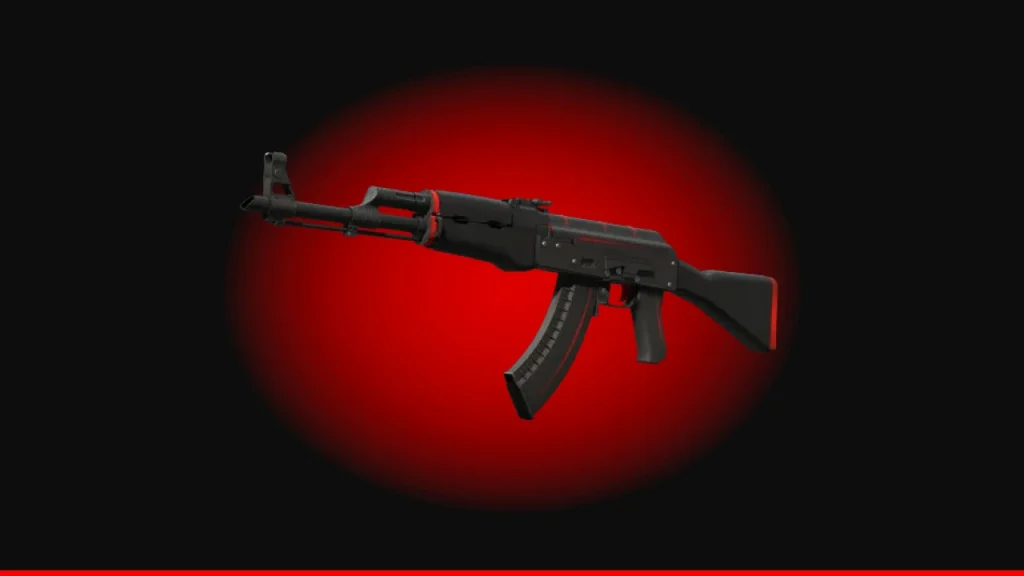
| Feature Introduced | Description and Impact |
|---|---|
| The Arms Deal Update | Released on August 14, 2013, it launched the skin economy with over 100 initial cosmetic items. |
| eSports Weapon Case | A specific case whose profits partially funded the DreamHack Winter 2013 Major, the first of its kind. |
| M4A1-S and USP-S | Suppressed rifle and pistol added to the game, offering new tactical stealth options for players. |
| StatTrak Technology | A kill counter integrated into specific skins, allowing players to track their performance on a weapon. |
| Steam Workshop Integration | Enabled community artists to create and submit skin designs for potential official inclusion in the game. |
Thirteen years after The Arms Deal, the landscape of Counter-Strike is inseparable from the skin economy it created. The update’s legacy is visible in every match, from the silenced shots of a USP-S to the StatTrak counter ticking up on a prized rifle. It transformed a tactical shooter into a platform with a living, breathing economy.
The anniversary is not just a celebration of digital items but a recognition of a business model that helped propel competitive Counter-Strike to global prominence. By linking virtual goods to the funding of the first Major, Valve established a symbiotic relationship between the game’s commercial success and its esports ambitions, a blueprint that continues to influence the industry more than a decade later.
Comments