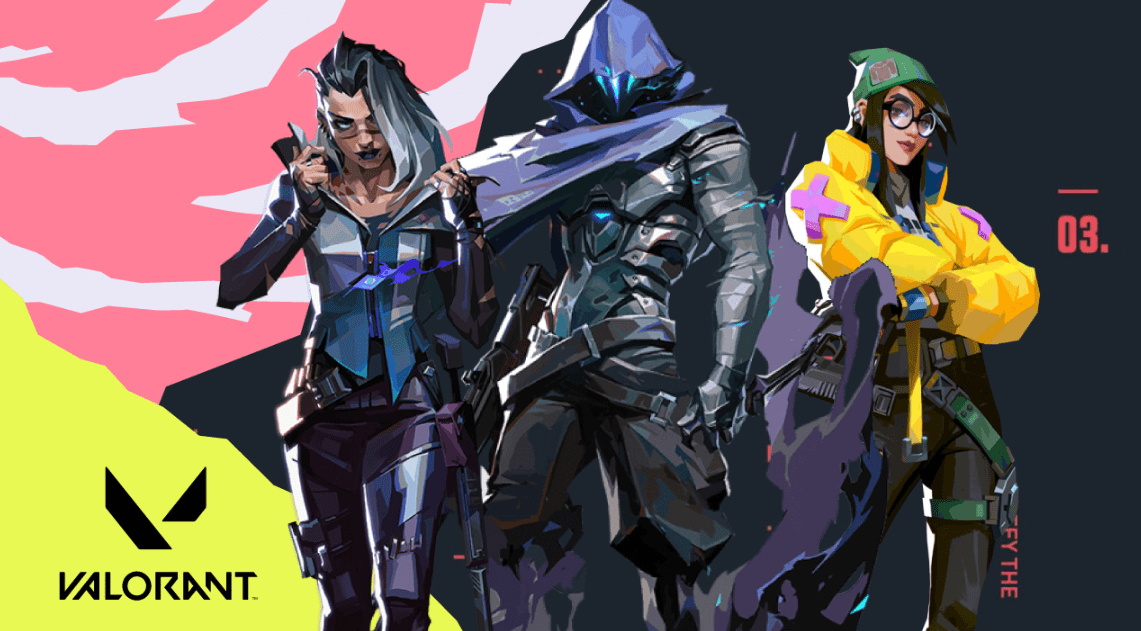
Lotus draws inspiration from the mysteries of ancient lost cities. Winding corridors, dense buildings and compact squares immediately set up for close combat. The map feels like a real maze: there is little space, the corners are dangerous, and any wrong move can cost a round. Constant pressure and a sense of crowding force teams to act carefully, read the opponent and look for flanks to seize control. In such circumstances, the role of Initiator agents comes to the fore. They are the ones who help the team navigate through this chaos: they collect information, interfere with the actions of the enemy and prepare an exit to the tape. Their abilities allow them to smoke out opponents from positions, gain critical information about rotations, and create windows for a decisive push.
The unusual structure of Lotus — a large map with three relatively closed tapes — directly affects the agents’ meta. Here, the usual Initiator peaks like Sova no longer look unconditionally strong. Limited space reduces the value of long-range reconnaissance arrows, and the scale of the map does not always allow the ultimate to unfold to its fullest. On the other hand, Initiator agents who are sharpened by close-range and hard entry feel especially good on Lotus. Breach, capable of stunning and damaging grouped opponents, or KAY/O with his flash drives and a knife that breaks enemy positions, often provide more benefits when seizing control and preparing attacks. Let’s find out which Initiator heroes are best suited for Lotus and how their unique skills help them gain an advantage on this challenging and intense map.
Table of Contents
Reyna
Reyna is often called the most selfish agent in the game, which is why she naturally ends up at the bottom of the ranking on the Lotus map. Her entire skill set is focused on one thing: killing and frags. There is a minimum of team benefit here. In fact, the only exception is Leer blindness. All other abilities of Reyna are directly tied to kills. Devour and Dismiss give you treatment and the opportunity to get out from under fire, but they only work after a confirmed kill. Even the ultimate, Soul Collector, enhances mobility and firepower only if Reyna continues to pick up frags. This is the most personal, self-contained set of skills, which almost does not help the team to take and keep control of the map.
That is why Reyna is considered one of the weakest duelists for Lotus. Narrow passageways and multiple tapes at once require agents capable of creating space, gathering information, and maintaining team exits. Reyna simply does not have such tools. If the allies don’t play around her and create conditions for key kills, she gets lost quickly and stops influencing the round. Reyna is a classic all—or-nothing style: a strong player can pull through shooting, but success depends entirely on the accuracy of the aim. As soon as the shooting stops, she has no backup options. In difficult situations, she gives the team absolutely nothing.
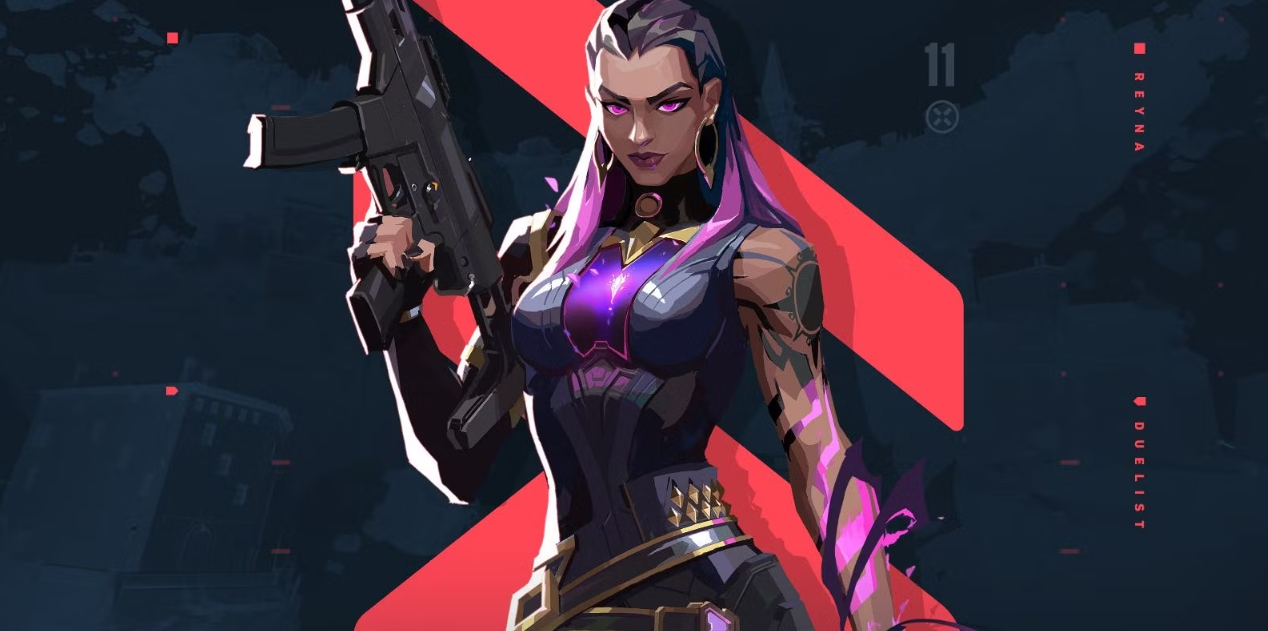
At Lotus, this selfish approach is particularly acute. It is important to act coherently here: to clear corners, control rotations, and synchronously act out film exits. The Reyna style does not fit well with such requirements. This does not mean that she is completely useless — in the right hands, her pure frag-force can still decide. But in general, Reyna is far from the best choice for attacking on this map. The lack of command utility and strict dependence on individual skill make it a risky and situational peak compared to other duelists and Initiator agents.
Yes, an experienced player on Reyna is still able to show results, but it will be much more profitable for most teams to hire agents who help the whole five: collect intelligence, interfere with the opponent and open up space for push. Breach, KAY/O, and even Sova (despite the limitations of his ranged skills) are usually more useful on Lotus than the self-sufficient but team-useless Reyna. The assessment is harsh, but honest: her individual playing style does not match well with what Lotus requires. In rare scenarios, it may work, but in most cases it is the weakest choice for this card.
Phoenix
Phoenix has long been associated with an aggressive, “fiery” style of play, but on the Lotus map, alas, he feels less confident than many other duelists from the roster. That doesn’t mean it’s useless. His signature Curveball flash drive is one of the most unpleasant in the game, it’s not easy to dodge it, and in narrow corridors and on Lotus chokepoints it is quite capable of giving a serious advantage. The problem is that his entire skill set doesn’t fit as seamlessly into the requirements of this map as we would like.
The main difficulty is the limitations of his flash drives. Curveball only works because of the corners, which makes it harder for Phoenix to create space and open exits for the team, especially compared to more flexible agents like KAY/O. Yes, the Phoenix flash drive is dangerous, but it forces him to choose the direction of attack in advance. This makes it more readable and predictable for rivals. Add to this the lack of mobile skills like Blast Pack from Razeand Dash from Jett, and it becomes clear why Phoenix has a hard time aggressively taking control of Lotus. Narrow passageways, difficult angles, and confusing lines of sight require sudden, unpredictable movements. The Blaze wall can help to push through a position, but it does not give the same tactical freedom and variability that other duelists get.
At the same time, it would be a mistake to write off Phoenix completely. In the right hands, his potential in one-on-one duels and his ability to hold tight passes with a Curveball can still produce results. With a proper combination of Blaze and flushes, he is able to play a little more flexibly than it seems at first glance. However, in general, Phoenix is inferior to other duelists in terms of command utility and the ability to consistently take up space on this particular map.
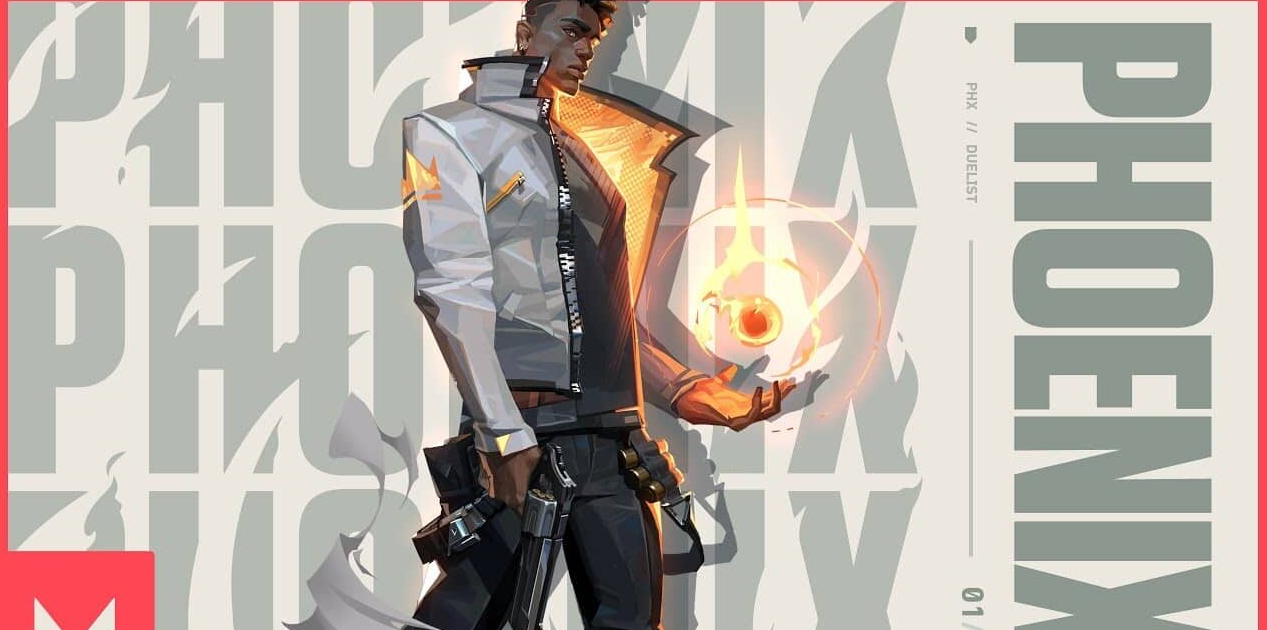
As a result, Phoenix remains a strong agent with a high skill ceiling, but the labyrinthine structure of Lotus puts it in a less advantageous position compared to more mobile and versatile duelists. Razor, Jett, and even KAY/O offer much more reliable tools for capturing and holding positions, collecting information, and creating windows for attack. This doesn’t mean that Phoenix can’t work — accurate shooting and proper use of Curveball can still work wonders. But more often it is more profitable for teams to entrust the duelist slot to agents who better control the pace of the map and help the whole five.
Phoenix’s strengths are individual fights, not the role of a battering ram in coordinated exits to complex Lotus films. However, meta does not stand still, and creative players will surely still find ways to unlock its potential. The same Blaze wall can be interestingly combined with Sova intelligence or KAY/O flushes, opening up new tactical options. Perhaps, over time, Phoenix will still occupy a more confident niche on this map. In the meantime, he remains a reliable but situational choice: a duelist who is able to shine under the right conditions, but loses to competitors in terms of stability of map control and team benefits. His fiery style is still impressive, but his limitations are particularly pronounced on Lotus.
Yoru
Yoru, the trickster duelist, remains a risky choice in almost any situation, and the map doesn’t change much here. His style is always a balance on the edge: a lot of risk, a lot of improvisation, betting on deception, sudden maneuvers and psychological pressure. But if Yoru falls into the hands of a really strong player, it can turn into a real nightmare for rivals on the confusing and multi-layered Lotus map. With proper use of the entire arsenal, Yoru can find unexpected routes, infiltrate the rear and take control of any of the three prisoners in completely non-standard ways.
The key role here is played by Gatecrash, an ability that allows you to teleport to a pre—selected point. In the cramped corridors and complex geometry of the Lotus, such sudden flanks and abrupt changes of position can completely disrupt the enemy’s plans. Moreover, Gatecrash gives Yoru the opportunity to rotate between films with lightning speed, literally finding himself on the opposite side of the map in seconds. This slows down the pace, disorients rivals, and forces them to constantly respond to threats that seem to come out of nowhere. And the Dimensional Drift ultimate can be called one of the most powerful intelligence tools in Valorant: Yoru safely checks corners, collects information and exerts pressure while remaining out of reach. On a map as dense and labyrinthine as Lotus, the value of this skill only increases.
With all this, Yoru inevitably remains an all-or-nothing agent. His abilities require precise timing, excellent understanding of the map, and strong gamesense. A mistake — and the effect of the whole idea comes to naught. But in the hands of a true master, Yoru is able to occupy a very strong niche on Lotus, using his mobility and intelligence to gain decisive advantages. As a result, it remains a controversial and complex agent that is difficult to implement stably. But with proper coordination and a high level of execution, his tricks, teleporters and sudden appearances can turn a round into chaos for an opponent. This is a duelist with a high ceiling and high stakes: it requires perfect execution, but the payoff can also be enormous.
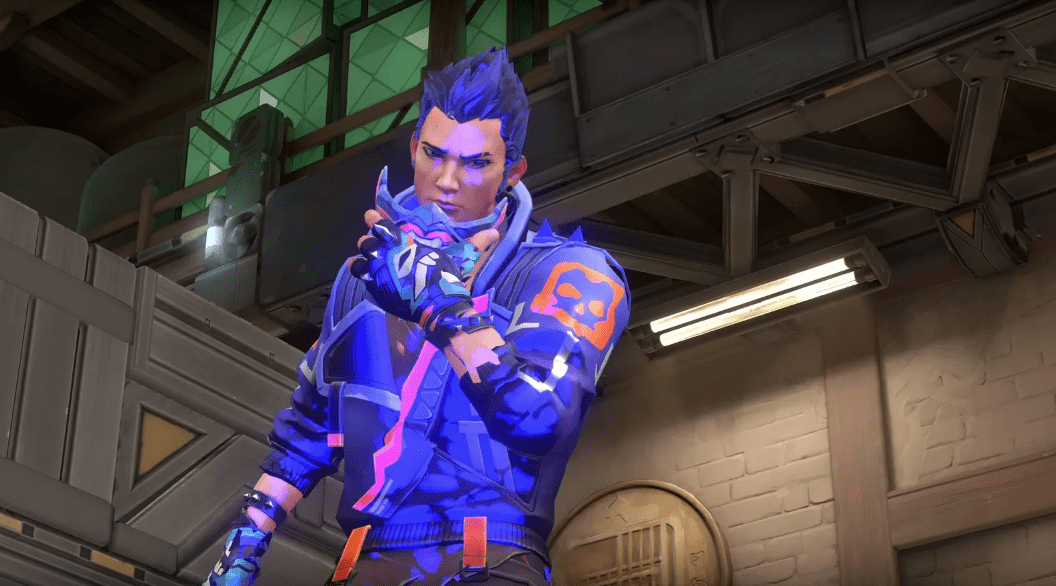
At the same time, the viability of Yoru on Lotus is still controversial. There are objective doubts about the reliability of his skill set, especially if a less experienced player takes on it. It’s not easy to master it, and it has noticeably less command and “straightforward” utilities than other duelists. The Lotus structure itself complements the picture: complex geometry, an abundance of corners, chokepoints and vertical elements sometimes play against Yoru. Yes, teleports and exploration are strong, but it can be difficult to implement them on a permanent basis. In this regard, Razor, Jett or KAY/O often look more reliable — their mobility, utilities and contribution to the team game make it possible to quickly take and hold key areas of the map.
Yoru, on the other hand, relies too much on an individual outplay and unexpected flanks, which makes it more difficult for him to consistently create space for the team. And yet that’s exactly the beauty of Valorant: the meta is constantly changing, and creative players are regularly finding new ways to uncover agents. An experienced Yoru can discover truly game-breaking setups that make the most of the Lotus maze structure. The skillful use of Gatecrash allows you to arrange clever distractions, and Dimensional Drift allows you to control the information and pace of the round.
Ultimately, it all comes down to the player’s level, team synergy, and meta development. Yoru remains an unstable, risky, but potentially incredibly strong choice. For those who are willing to invest in its development, the reward on Lotus can be impressive. But for players who are not ready for high complexity and responsibility, he can easily turn out to be an agent who brings more problems than benefits. His teleportation tricks look spectacular, but turning them into a stable result on such a complex map is far from an easy task.
Neon
Neon, one of the freshest agents in the Valorant roster, quickly proved that she is not just an effective addition, but a truly flexible and powerful choice. Her style is particularly well revealed on the three-film Lotus map, where speed and mobility play a crucial role. Neon’s unique movement abilities allow you to use the geometry of the map to the maximum and constantly keep your opponent in suspense.
One of the key features of Neon is Fast Lane. This energy wall not only blocks the view, but also literally accelerates the agent forward. On compact Lotus films, this ability can turn the round around: Neon instantly shortens the distance, bursts in at unexpected points and catches enemies off guard. The wall effect itself often wreaks havoc on defense, forcing opponents to make hasty decisions. And at such moments, Neon’s allies easily find windows to attack.
The Relay Bolt is no less useful on Lotus. Stun works great in narrow passages where every corner can be deadly. With it, Neon is safer to clear difficult positions, squeeze opponents out of hiding and take control of key areas. The complex structure of the map only enhances the value of this skill: Relay Bolt allows you to impose profitable exchanges and break up defenses piece by piece, rather than rush in blindly.
Special attention should be paid to High Gear — acceleration, thanks to which Neon literally flies around the map. The long distances between the three Lotus films are not a problem, but an advantage. While other agents spend time rotating, Neon is already at the right point, supporting the team or catching the enemy in a position change. This mobility gives you serious control over the pace of the game and allows you to quickly respond to any changes in the situation.
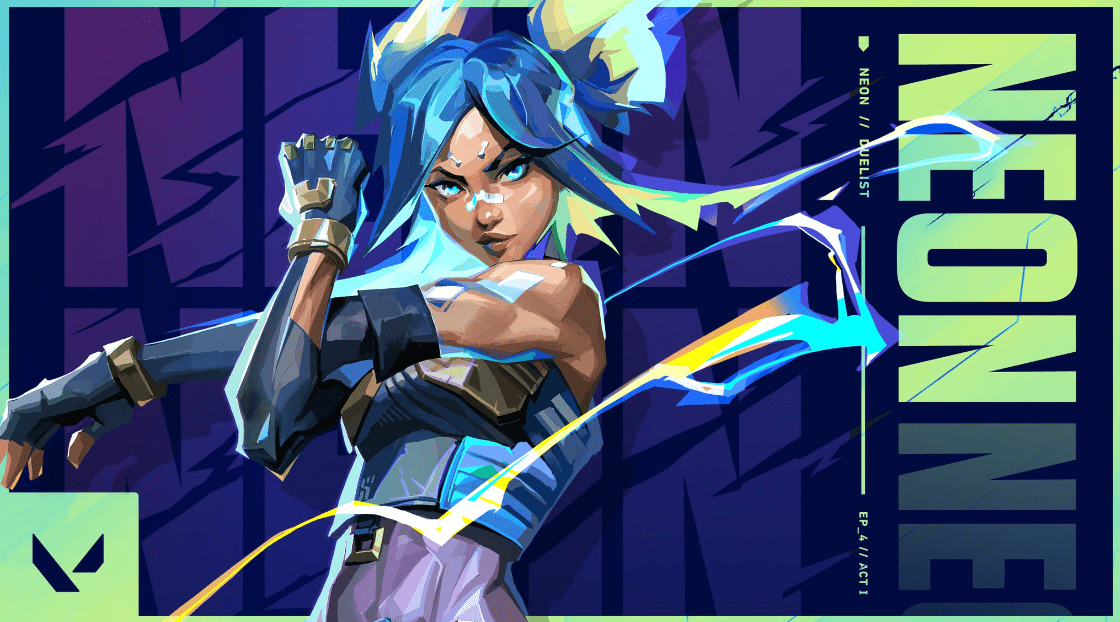
It is important to understand that Neon’s strength on Lotus is not only her individual skills, but also a successful match with the features of the map and the current meta. Narrow corridors, multiple chokepoints, and dense combat zones enhance the effect of her control and speed, allowing her to restrain enemy rotations and constantly exert pressure. In this sense, Lotus is in many ways reminiscent of Haven, a three—film map where Neon has already established itself as a dangerous and dynamic agent. The ability to quickly move between points and participate in several skirmishes at once is a huge plus for such maps.
Of course, Neon has its weaknesses. Her aggressive, face-to-face style makes her vulnerable against a well-organized defense, and the lack of serious long-range tools can limit her playing options. But in the hands of an experienced player, these disadvantages fade into the background. The proper use of speed, mill, and pressure allows Neon to dictate conditions and turn chaos into its main weapon.
As a result, Neon looks like an almost perfect candidate for Lotus. Fast rotations, control of narrow areas, the ability to isolate enemies and find herself where she is not expected, make her a valuable asset for any team. As players continue to explore Lotus more deeply, it is Neon’s versatility and adaptability that will most likely determine its place in the competitive meta.
Jett
Jett’s reputation as one of the most versatile and influential agents at Valorant has only strengthened since the release of the Lotus card. It is here that her mobility, aggressive nature and ability to adapt to the situation are revealed especially vividly. For teams looking to gain an advantage on this complex and multi-layered battlefield, Jett is often the obvious choice.
The Tailwind jerk is considered to be a key element of her strength on Lotus. This ability allows Jett to instantly create space: to break into closed squares, distract the attention of rivals and give allies the opportunity to move forward calmly. Tailwind works not only as a tool for the enemy, but also as a way to wreak havoc in the ranks of the enemy. At the moment when Jett abruptly changes position and imposes a fight, the defense often loses structure and control.
The diverse terrain of the Lotus only enhances its advantages. Height differences, narrow corridors, giving way to more open areas — all this is ideally suited to the Jett style. She quickly changes positions, moves to unexpected angles and occupies heights from where she can deliver accurate and deadly shots. For example, the A Rubble zone provides an excellent opportunity to show the agent’s vertical mobility. Using Tailwind, Jett easily gets to the hills, from where it is convenient to control the space, find vulnerable targets and put serious pressure on the opponent. It is the ability to find non—standard angles and constantly change the attack vector that makes her style so dangerous – and this is felt especially strongly on Lotus.

Jett’s flexibility allows her to be useful in almost any role. She can be the first to break into the film, come in from the flank, support the team with fire, or instantly rearrange the action plan if the situation changes. Thanks to this, Jett almost always finds a way to influence the course of the round, no matter what kind of difficulties the card throws up. Synergy with the team also plays an important role: its ability to create space perfectly complements more defensive or supportive agents. In a well-coordinated five, Jett becomes a pressure catalyst, helping to take away key areas and targets.
At the same time, it cannot be said that Jett has no weaknesses. Over-reliance on Tailwind can play a cruel joke if you use it at the wrong time, and limited long-range capabilities sometimes reduce its effectiveness. In addition, well-organized teams that are able to read Jett’s aggressive style and respond competently to her maneuvers can significantly reduce her influence on the game.
And yet, despite these nuances, mobility, adaptability and firepower make the Jett one of the strongest options for Lotus. In the hands of an experienced player, she is able to completely turn the round around: quickly change her position, reach an unexpected angle and sow panic in the ranks of the enemy. As the Valorant community explores the features of Lotus more deeply, Jett inevitably remains in the spotlight. Her ability to use the terrain of the map, adapt to the team strategy and get the most out of every situation only confirms the status of one of the top agents for this battleground. Jett’s dominance on Lotus is further proof that even in the ever—changing Valorant meta, it is still relevant and extremely dangerous.
Raze
The Lotus card in Valorant places special demands on agents, and not everyone feels confident on it. But the arsenal of the Razeis fully revealed here. Her explosive skill set is great for complex map geometry, and Paint Shells become a real headache for rivals, especially in narrow passages. That is why Razeis often choose teams that want to dictate the pace and impose aggression from the first seconds of the round.
Raze’s main weapon on Lotus is, of course, her Paint Shells grenades. They work as efficiently as possible in cramped areas. On compact films like B, one well-thrown grenade can completely clear a position. Shelters in A Link, rooms on B Upper, or other enclosed spaces are no longer safe when explosions occur. The power of Paint Shells allows you to knock out opponents even from well-fortified positions and create windows for further team push.
At the same time, Lotus gives Raze capabilities not only for close combat. The long lines of sight on A and C Main often become a gathering point for the attacking team before exiting. An early grenade at such points can seriously damage enemies, slow down their pace and, ideally, disrupt the attack before it even begins. A few seconds of chaos and the defense has a chance to seize the initiative.
Do not forget about the Blast Pack. These charges give the Raze excellent mobility, which is especially important on the Lotus. Narrow entrances to the mines and limited routes require speed and determination. The Blast Pack allows you to instantly fly into positions, jump into unexpected corners and catch opponents off guard. Combined with explosive pressure, this often gives the team a decisive advantage when entering the film.
Overall, the complex design of Lotus — with its mix of narrow corridors and more open areas — requires flexibility from agents. And here, Raze feels confident. She is equally good at clearing fortified positions, disrupting enemy exits, and quickly changing positions. Her explosive style and mobility make her an extremely valuable tool for teams focused on map control.
At the same time, it is important to remember that the power of Razor goes hand in hand with risk. Her focus on close combat and the constant use of explosives require accuracy. A timing error or an unsuccessful throw can lead to self-harm and put the team at a disadvantage. To get the most out of Razeit requires experience and an understanding of the boundaries of risk.
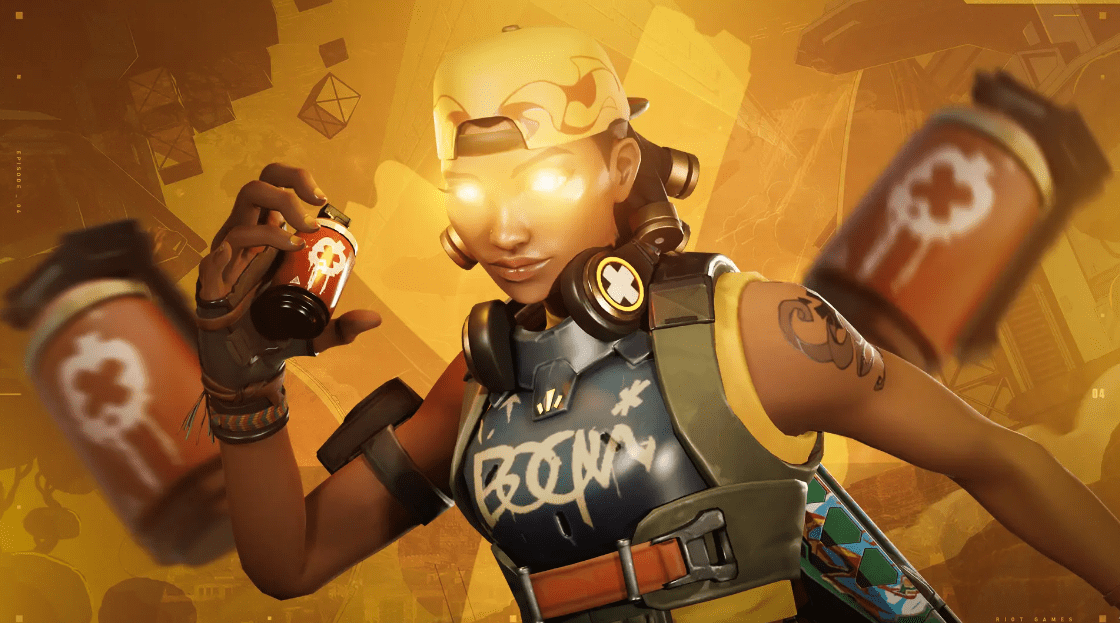
Outside of Lotus, Raze has long established itself as a stable and versatile agent. She feels confident on different maps and in a wide variety of compositions, which indicates the depth and thoughtfulness of her skills. Teamwork plays a significant role in its effectiveness. Grenades and explosive charges create ideal conditions for allies — they smoke out enemies, break down positions and interfere with coordinated attacks. With good communication, Razor can exert pressure on several parts of the map at once.
In addition, her skill set fits perfectly into the ever-changing Valorant meta. As new agents and strategies become available, Raze continues to find its place thanks to its ability to adapt and use explosive potential outside the box. This makes it relevant even when the balance and priorities in the game are changing.
It is impossible not to mention the charisma of Razeand. Her energetic personality, vibrant style, and love of chaos have made her one of the most popular figures in the Valorant community. Players are attracted by her straightforward aggression and a sense of complete freedom in battle.
As a result, Razeis one of the strongest options for playing on Lotus. Her explosive power, ability to clear tight areas and rush into the tape can completely turn the round around. With proper coordination and risk control, Raze becomes a real weapon of dominance. And as players continue to explore Lotus, its explosive expertise will remain the focus of attention for a long time to come for those who want to confidently control this map.