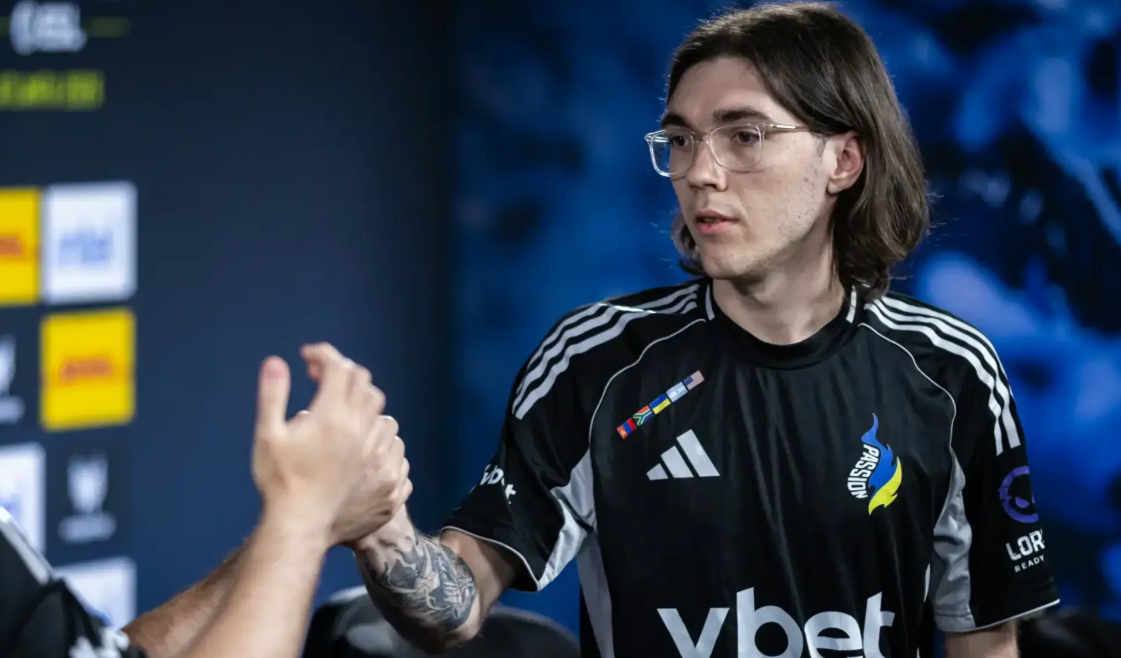
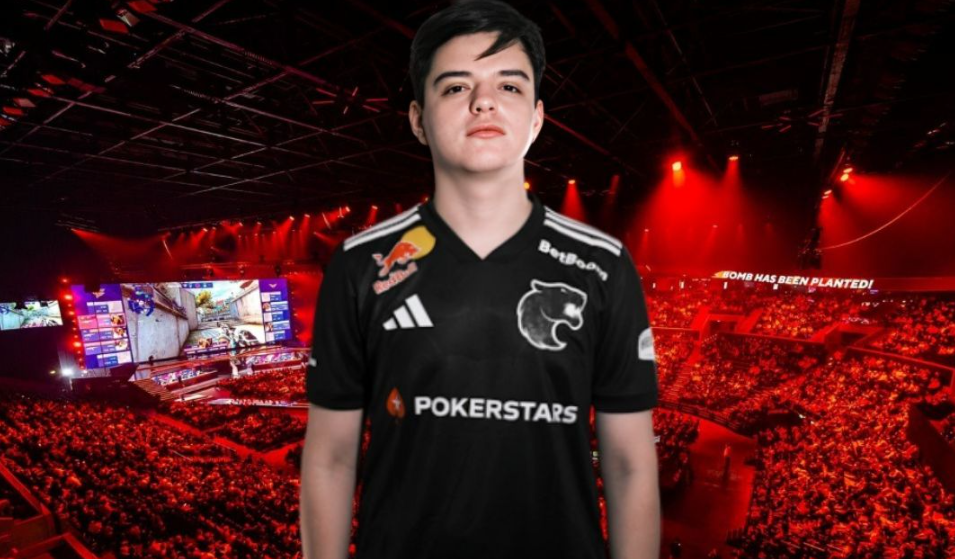
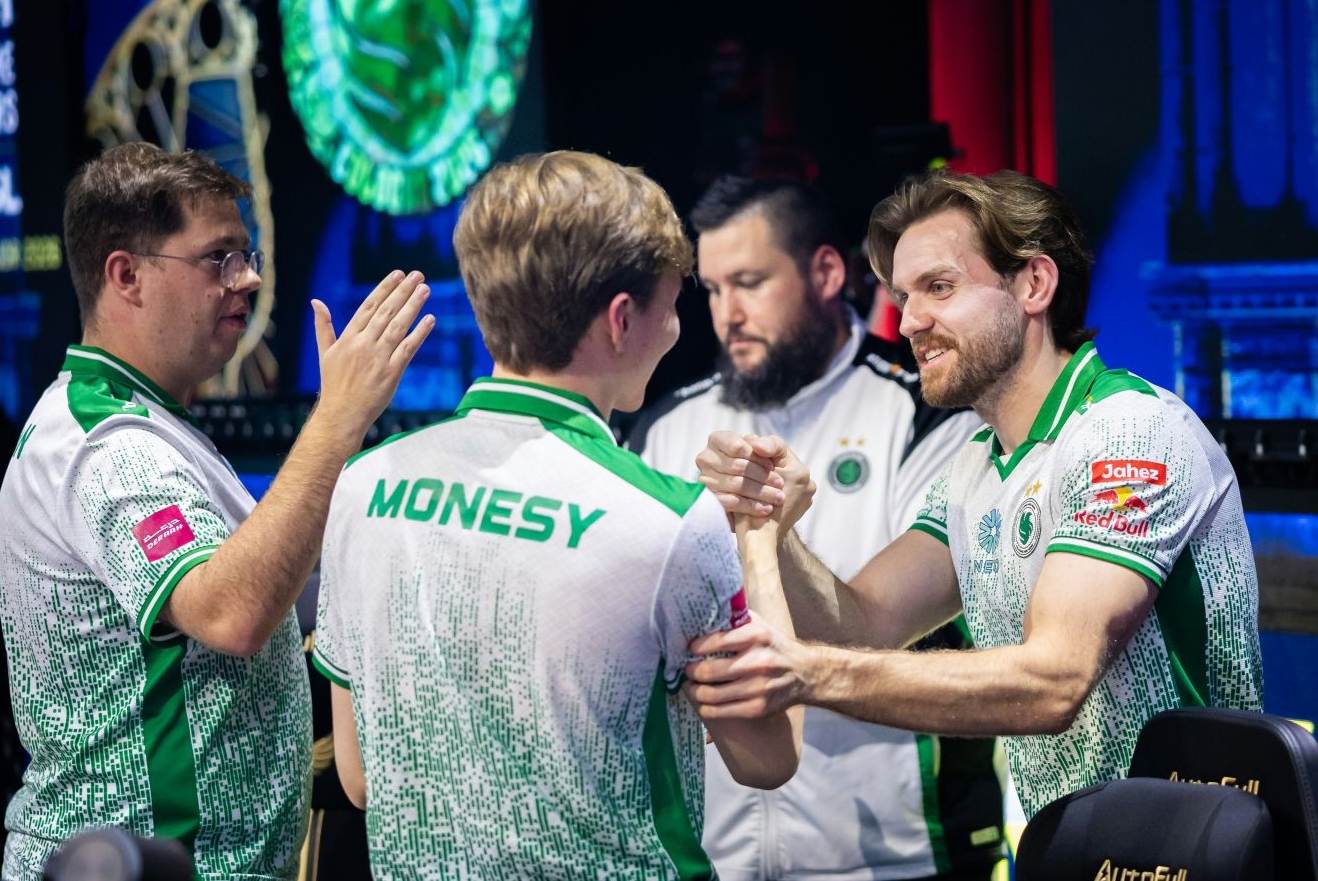
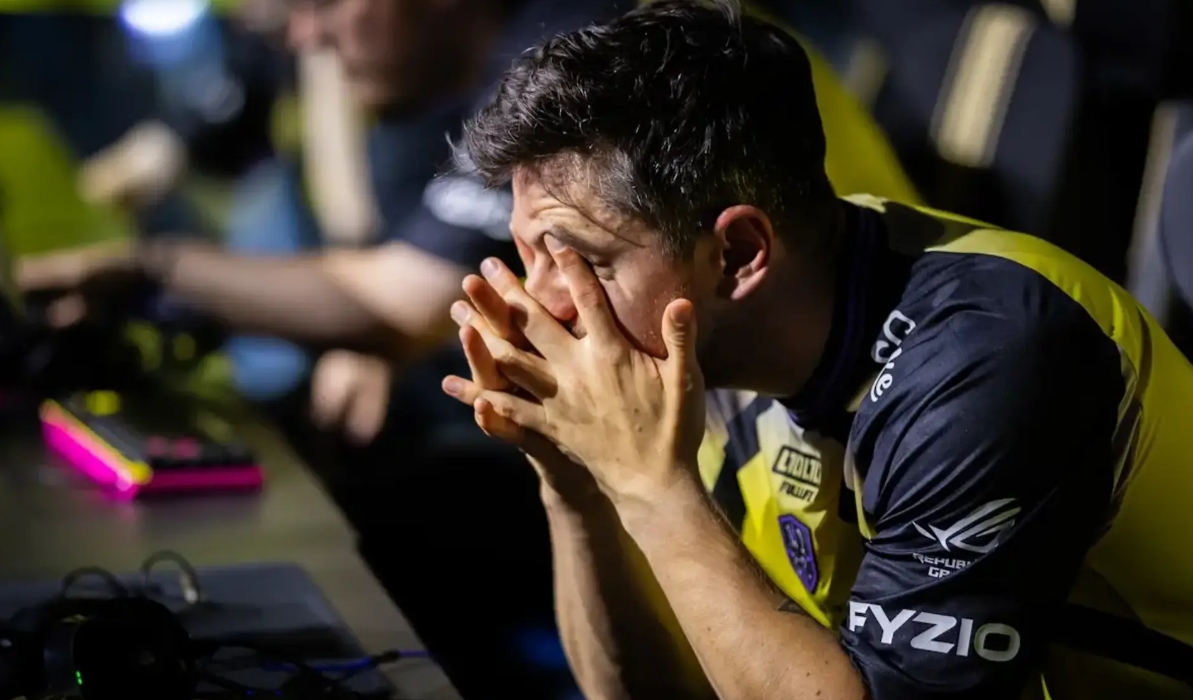
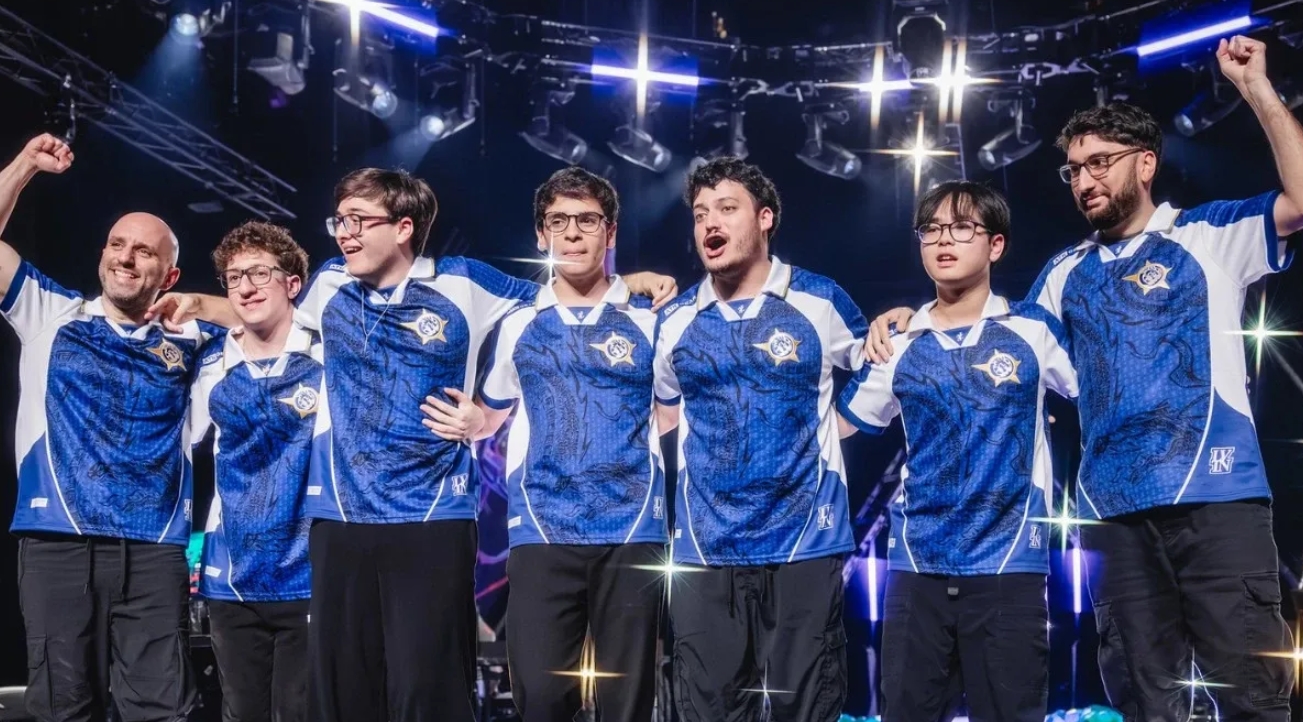
Recently, the debate about whether esports can be considered a full-fledged sport has been heating up with renewed vigor. Some are sure: These are just computer games. Others insist that we have a new format of sports competition in front of us. The gameinside portal.ua decided to understand the topic by looking at it from two opposite sides and attracting expert opinions. To understand whether esports refers to sports in the classical sense, it is first necessary to understand the very concept of “sport”.
According to Wikipedia, sport (from the Old French desport — “game”, “entertainment”) is an organized activity with clearly defined rules, which is based on a comparison of the physical or intellectual abilities of participants, as well as the process of preparation and interaction between people during this activity.
Simply put, sports are aimed at developing physical and psychological qualities, boosting intelligence, gaining moral satisfaction, striving for excellence, improving personal and team results, and, of course, achieving recognition and fame.
Table of Contents
Esports is a sport
Based on this definition, the similarities between traditional sports and esports become obvious. First of all, it is a competitive spirit and a constant desire to be better.
Alexey “xaoc” Kucherov, CEO of the HellRaisers esports organization, shared his opinion specifically for our website, explaining why he considers esports to be a sport:
“Stadiums for 10,000 or more spectators gather here, the prize funds of one championship exceed $ 24 million, and over 10 million people watch the broadcasts simultaneously. Young players look up to their idols, work on themselves, and sometimes even sacrifice education for the sake of results. When the interest in it is so huge, when the competitive component captures millions, it is difficult to call it anything but a sport.”

Surely many people have caught themselves thinking: what kind of athletes are people who just move the mouse and press the keys? But it is important to understand that sport is not limited solely to physical exertion. Otherwise, chess players could not be called athletes either, because they spend hours sitting at the board, moving pieces. The same can be said about curling and a number of other disciplines.
This point of view is shared by the CS analyst:Starladder studio DIRECTOR Alexander “petr1k” Petrik, who also agreed to comment on the situation:
“Of course, esports is a sport. Moreover, it is modern and intelligent. The world is developing, and sports disciplines must change along with technology and science. Esports is a vivid example of the evolution of sports from physical to intellectual. Some people are afraid of the fact that players spend a lot of time at the computer, considering it harmful. But even classical sports with excessive loads can do more harm than good. For me, sport is primarily about competition and the development of specific skills. It’s all there in esports.”
Professional Dota 2 or CS players:GO often spends 10-12 hours a day training in front of monitors. Not every football player can boast of such a regime. Some esports teams play more official matches per week than football clubs. Teamwork, reaction speed, the ability to read an opponent and make decisions in a split second are also important here. And where there’s competition, there’s a lot of money. This rule also fully applies in esports. For example, the prize pool of the largest Dota 2 tournament, The International 2017— exceeded the $24 million mark. The winner, Team Liquid, received $10,862,683, or about two million dollars per player.

Expensive contracts and high-profile transfers have long been a part of the esports industry. Bosnian CS Player:GO Nikola “NiKo” Kovacs moved from mousesports to FaZe Clan for a record one million dollars. It’s hard to believe that such sums are paid to a person who “just plays on a computer,” but this is reality. And in the coming years, prize funds, contracts, and transfer amounts in esports will only grow.
And, perhaps, the most weighty argument: more than 20 countries of the world have already officially recognized esports as a sport. Among them are China, Russia, France, Italy and even Nepal.
eSports is not a sport
Cybersport is not a sport. I’m indifferent to it. It’s a game, just like chess. Who can pee further among children can also be considered a competition. And I comment on the competition of people: how tired they are or aren’t, how much pain they feel or don’t feel, how much energy they have left, whether they are pushing themselves, and what happened to them in the previous match. But cybersport is a competition of avatars. I’m not interested in that; I’d rather read a book. I want to emphasize that it’s a fascinating pastime and millions of people engage in it. But that alone doesn’t make the endeavor very interesting. At least an activity like masturbation also arouses great interest among millions of people.

This is the viewpoint of the renowned Russian football commentator Vasily Utkin. It’s worth noting that Vasily was the official Russian announcer for the FIFA football simulator, which has long been considered an esports discipline. Vasily Utkin equated cybersport to masturbation using derogatory language.
Sports journalist and commentator Alexander Shmurnov also speaks unfavorably about esports, believing that sports are primarily about athletics. Here’s what he says on the matter:
Sport is primarily about athletics, harmony in its ideal form. From pure athletics, running, weightlifting, through technical disciplines such as throwing, rowing, then through combat sports, individual gaming sports, team non-contact sports, and finally to hockey and football – sports have developed and continue to develop, becoming increasingly intellectual and complex, but still maintaining their core – athletics. At the top of the sports hierarchy are the disciplines where strength, endurance, and agility are in complete harmony with reaction, calculation, combination, the ability to study, track opponents, and learn from them to ultimately win. The journalist also believes that there is a lot of promotion of cruelty and violence in esports games, which can impact a person’s psyche.
What also greatly annoys me about the widespread enthusiasm for games like Counter-Strike or Dota – let’s call them shooters – is the bloodthirstiness of the interface. In Dota, the winner is the one who destroys the opponent’s main building. The goal of Counter-Strike is to eliminate as many opponents as possible, while also fulfilling certain objectives. All the blood that pours out of the screen – it’s all hyperbolic brutality, albeit virtual – it cultivates qualities in people, especially in large doses, that have always been and will remain taboo in our family.

A strong statement, isn’t it? But if you think about it, are Dota or CS more violent than boxing, for example?
In conclusion, it’s worth saying that there are as many opinions as there are people. Generally, the idea of esports is not supported by old-school people and conservatives who are not keeping up with the times and consider computer games to be mere child’s play. Nevertheless, esports is developing rapidly and borrowing many elements from traditional sports.
And what do you think, dear readers, should a gaming mouse be equated to a baseball bat or a keyboard to a golf club?