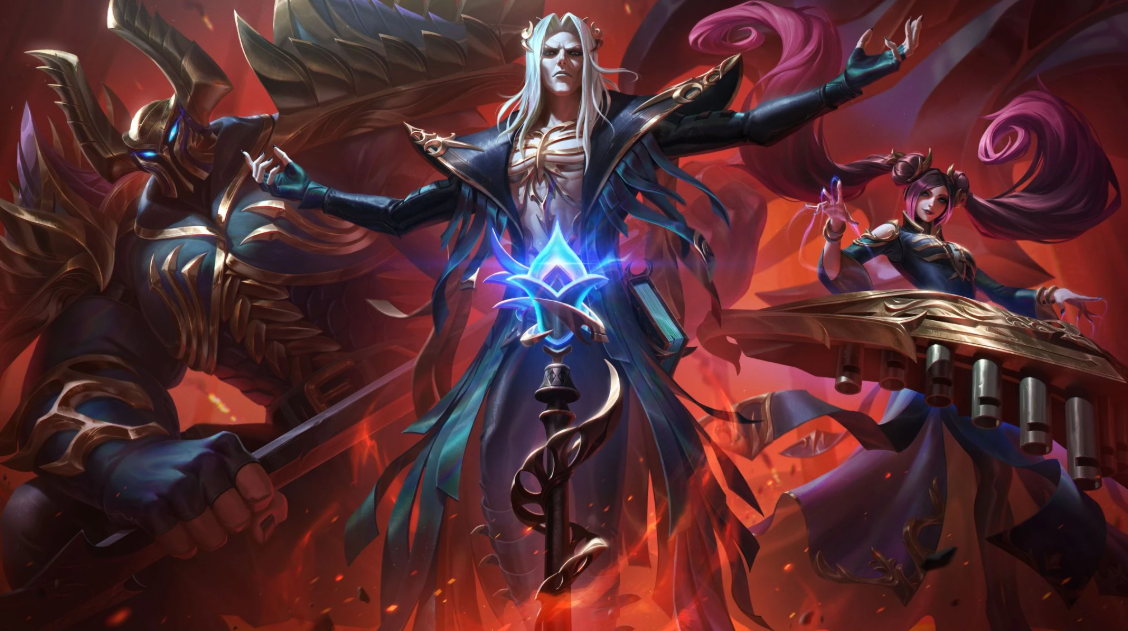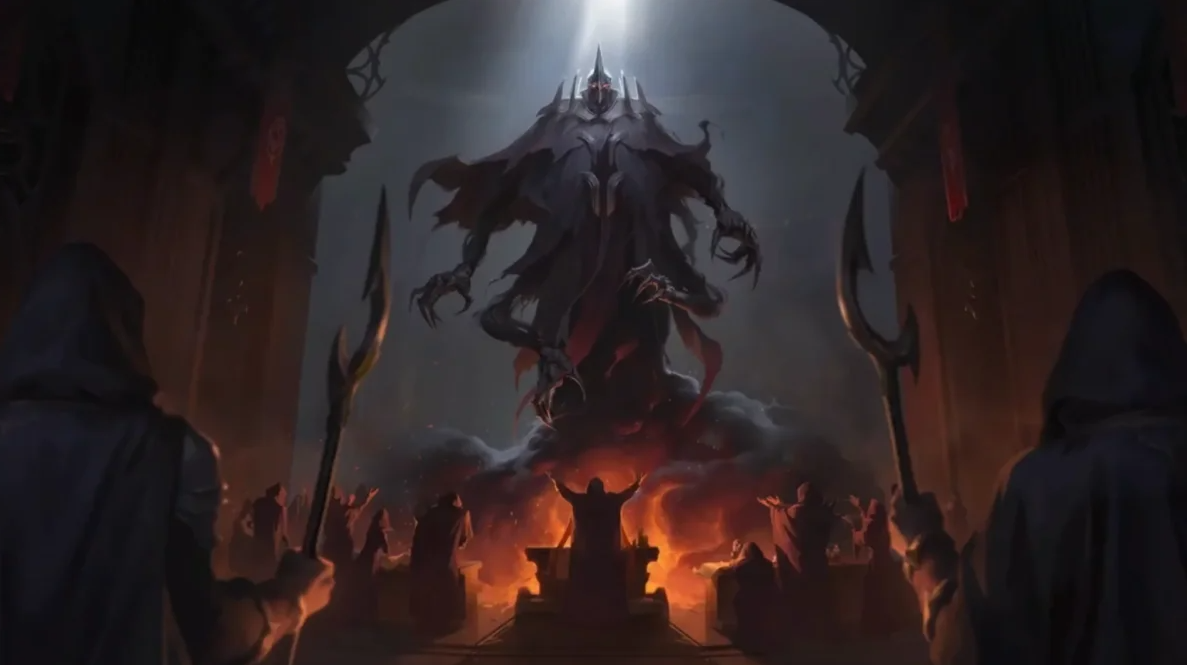
Bringer of Ruin is already looming on the horizon, and it’s not just a beautiful image. The year 2025 is indeed preparing a serious turn for League of Legends. The new season promises to significantly shake up the familiar gameplay, and at the center of these changes is Atakhan, a neutral goal that can turn the tide of the match. Riot Games has clearly bet on him: in front of us is an epic monster with unusual mechanics and strong buffs that cannot be taken lightly. Atakhan tests teams for flexibility and the ability to think ahead, especially in midgame, where every mistake can be costly. At the same time, the early game comes to the fore — without map control, pressure, and a carefully earned advantage, it will be difficult to count on Atakhan’s strength.
As players get used to this updated world, the main question will arise: how to properly integrate Atakhan into the overall game plan? In the following materials, we will take a detailed look at Atakhan in League of Legends — its mechanics, operational strategies, and impact on the competitive scene. It is already clear that we are about to begin a new, truly exciting chapter in the history of LoL.
Table of Contents
Atakhan is a jungle monster that changes the usual game in League of Legends
Atakhan— the new inhabitant of the jungle League of Legends, brings with him a fresh and rather daring look at familiar neutral objects. For some players, he is familiar from Legends of Runeterra, but his appearance in the main game is a completely different level of influence. Atakhan challenges everyone without exception: from calm Iron matches to intense Challenger games and the professional stage. Thanks to him, the 2025 season promises to become noticeably more nervous, dynamic and demanding to understand macro.
It is important to emphasize right away: Atakhan is not just another “static” object like Baron Nashor or Dragon. He actively weaves into the pace of the match, reinforcing the importance of early actions and pushing teams to aggression. This is especially evident in midgame, where his presence literally forces you to change your usual style of play. Card control, timely rotations, and readiness for fights are becoming critical. It is not surprising that already at the start of the match, players begin to cautiously — and sometimes riskily — probe the ground around the future appearance of Atakhan.
One of the most interesting features of Atakhan is its unpredictability. It can appear in different places on the map and take different forms depending on how the first 14 minutes of the game went. The details decide a lot here: the damage done to the champions, the number of kills, and the overall pressure on the line. Depending on this, Atakhan will spawn either from the upper or lower entrance to the river. This approach keeps the teams in constant tension — they just won’t be able to relax. At the same time, the moment of appearance is strictly fixed: exactly at the 20th minute. And it is this point that often becomes a turning point — either you are ready, or the opponent punishes you for procrastination.
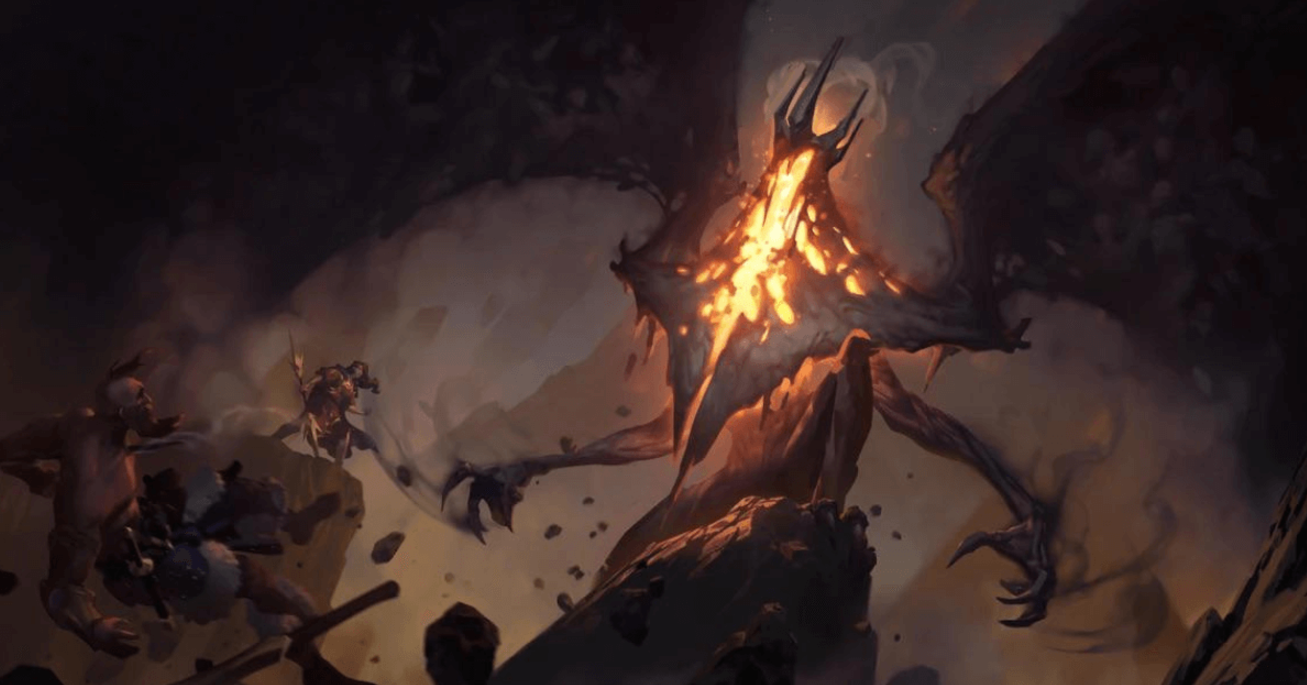
After killing Atakhan, the changes are felt immediately. A special arena indicator appears in the area of its appearance, and new walls appear on the map, which remain until the very end of the game. The space of a familiar map changes, and with it the logic of movement changes. There are new angles for ambushes, unexpected escape routes and fresh opportunities for positional play. All of this directly affects teamfights and decision-making during stressful moments.
With the arrival of Atakhan, the midgame approach in League of Legends is noticeably evolving. Now the early game is not just a warm—up, but a foundation on which too much depends. Mistakes at the beginning of the match become more noticeable, and dominance at the start gives real strategic bonuses. At the same time, Atakhan encourages experimentation: teams begin to look for new combinations of champions, rely on aggression or, conversely, on thoughtful coordination in order to control key areas. The gameplay becomes more lively and less formulaic.
The community’s reaction to Atakhan in the 2025 season will undoubtedly be different. Someone will enthusiastically accept a new challenge and will gladly rebuild their strategies. Others will need time to get used to the less predictable rhythm of the game. But, most likely, there will be no indifferent people. Atakhan already looks like an object around which spears will break — in solo turns, on streams and on the professional stage.
As a result, Atakhan confidently claims to be one of the key elements of League of Legends. Its dynamic mechanics, variable appearance and influence on the map make the gameplay fresh and intense. And the closer the 2025 season gets, the more obvious a simple thought becomes: Atakhan is not just another monster. This is a point of change that can redefine the pace and logic of midgame in League of Legends.
How Atakhan changes the early dynamics of the game
The appearance of Atakhan is not just another neutral monster. In fact, it reverses the very feeling of an early League of Legends game. The matches become tougher, denser and much more meaningful from the very first minutes. Now the pace really matters.
If the game is on high gear from the very beginning — lots of kills, constant exchanges, pressure all over the map — the teams that manage to take Atakhan receive a tangible reward for their aggression:
- Bloody Petals enhance buffs from epic monsters, which directly affects the outcome of skirmishes and teamfights.
- Blood Roses appear where the champions died. They provide additional experience and Adaptive Force for each collected flower. As a result, the map literally “blooms” with resources, encouraging fights and active movement.
But Riot envisioned another scenario. If the match develops more calmly — fewer kills and damage in the first 14 minutes — Atakhan is still an important target. It’s just that the rewards change to match the pace of the game:
- Rebirth Buff gives the entire team a one—time resurrection based on the Guardian Angel principle – a second chance that can decide the outcome of the battle.
- Team Resurrection returns the dead players to the base, allowing them to join the battle again and not completely drop out of the game.
Atakhan himself appears on the map at the 20th minute, and for his sake Riot Games went to noticeable changes in timings. Baron Nashor, who used to come out at the same time, will now spawn only at the 25th minute — the teams are given space to choose their priorities. The Rift Herald is also delayed: instead of the 14th minute, it appears on the 16th, adding tension to the early phase.
At the same time, Atakhan, unlike the Herald, does not disappear anywhere. He stays on the map until you defeat him. This means that the decisions “when,” “where,” and “whether it’s worth it at all” become even more important. Mistakes can be costly here.
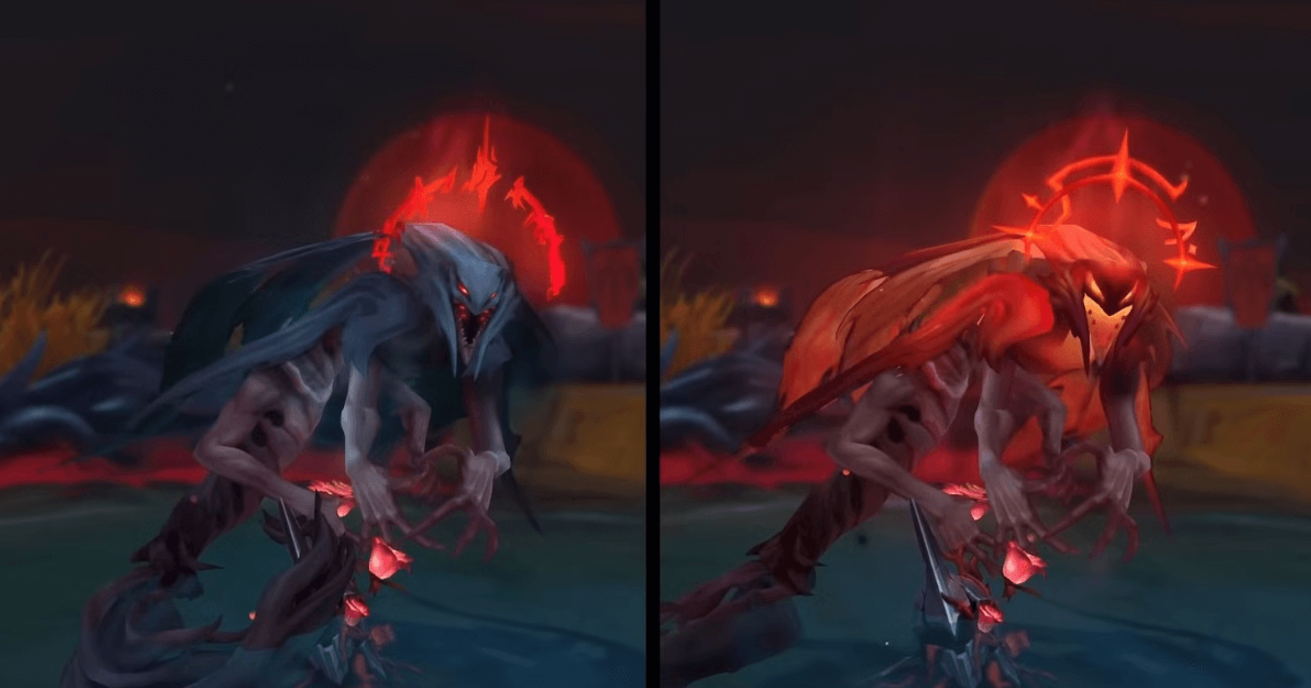
Although Atakhan will not appear in patch 14.24, players will be able to get to know him in advance at the Public Beta Environment (PBE) before the start of the season in January 2025. This is a time for experimentation, trial, and, of course, the search for new strategies before everything goes into the main client.
With the arrival of Atakhan, the League of Legends meta will inevitably begin to change. And, apparently, quite a lot:
- The return of champions who were previously considered niche or weak.
- New strategies that are completely tied to Atakhan’s control and buffs.
- Rearranged rotations due to changed timings of objects.
- Changing playing styles — both in solo cue and on the professional stage.
- Longer matches, as the strategic depth increases at all levels.
Riot Games is clearly betting on a reboot of the 2025 season. Changes in the game and the esports calendar are already being actively discussed, and interest in Atakhan is felt literally everywhere. This is the case when a new element is really capable of changing the usual course of the game.
Moreover, the influence of Atakhan is not limited to the early or middle stage. He becomes a key link in the transition to the leitgame, changing the rhythm and forcing the teams to act more carefully and smarter. The updated Rift is no longer about autopilot — it keeps you constantly on edge.
There is more chaos ahead, more risk, and more room for smart decisions. For the League of Legends community, this is a rare moment when the game really feels in a new way. The battlefield is changing, the demands on the players are growing, and Atakhan is ready to take his place in this story. A new era is beginning, and you definitely won’t be able to ignore it.